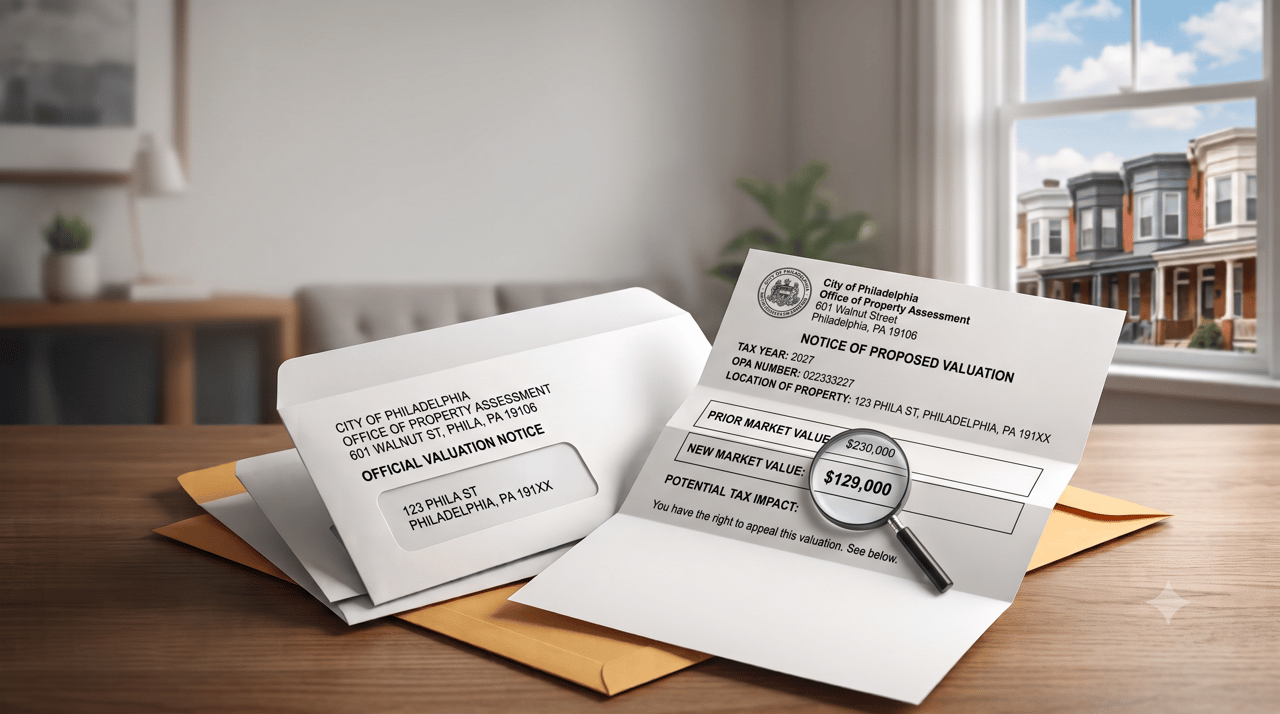
Philadelphia Property Assessment Appeal Deadlines and Next Steps
Home Owner Blueprint
Home Owner Blueprint
If you opened your mailbox recently and found a Notice of Valuation from the City of Philadelphia, you're not alone, and you're probably not thrilled. The Office of Property Assessment started mailing new 2027 assessments on June 29, and the majority of homeowners are seeing values higher than the last citywide revaluation two years ago.
Here's the good news. You have options, they're free, and you don't need a lawyer in most cases. But the clock is ticking. The first deadline is September 1, 2026, and it will be here faster than you think.
Let's walk through what happened, what it means for your tax bill, and exactly what to do next.
Philadelphia reassesses every property in the city on a regular cycle, more than 580,000 of them, using a computer assisted mass appraisal system that pulls from recent sales data, aerial imagery, and market trends. The goal is to keep assessed values in line with what homes are actually selling for.
And here's the thing. Philly's market has stayed strong. Home values in many neighborhoods have climbed since the last revaluation, so when the city ran the numbers again, most assessments came back higher. Citywide, the median change was around 3 percent from the 2025 tax year, but that's just the middle of the range. Plenty of homeowners in fast-appreciating neighborhoods opened notices showing much bigger jumps.
For the median-valued home, the city estimates the 2027 tax bill will go up about $97. If your assessment climbed well past the median, your increase will be bigger.
If your first reaction was "there's no way my house is worth that," you're in good company. City Council members are publicly pressing the Parker administration on how these numbers were calculated. Council member Mike Driscoll sent a letter to the city's Chief Assessment Officer with six pointed questions about the methodology, demanding answers by August 15. A Council hearing is expected, and the City Controller is running a performance audit of the assessment office and the appeals process. The city has also hired an independent consultant to evaluate whether this revaluation was accurate and fair.
None of that changes your assessment automatically. But it tells you something important. Even the people who run the city acknowledge the process deserves scrutiny, and assessments do contain mistakes. Which is exactly why the appeal process exists.
You have two free options, and here's a tip most homeowners don't know. You don't have to choose. Housing attorneys in the city recommend filing both at the same time.
This is the informal route. You're asking the Office of Property Assessment to take a second look. There's no hearing. You fill out the FLR form that came in the envelope with your Notice of Valuation, attach your supporting documents, and submit it by Tuesday, September 1. Lost the form? Download a replacement from the city's First Level Review forms page.
To win an FLR, you need to show at least one of these:
This is the formal route, and it comes with an actual hearing where you make your case to an independent board. Grab the BRT appeal forms here and review the full appeal instructions. You can submit in person, by mail, or by email to [email protected].
Fair warning, it takes patience. Some cases run a year or more. While you wait, keep paying your taxes based on the prior assessment. The worst move is paying nothing, which can put your home at risk regardless of how the appeal turns out.
Whether you file an FLR, a BRT appeal, or both, your case is only as strong as your paperwork. Here's what to gather:
Even if your assessment is accurate, Philly offers real relief programs, and the city is actively pushing homeowners to use them:
You can apply for multiple programs at once through the combined application on the Philadelphia Tax Center, and it will tell you which ones you qualify for.
A higher assessment isn't a final verdict. It's the city's opinion of your home's value, and opinions can be challenged, especially when City Council itself is questioning the methodology. File your First Level Review before September 1, file the BRT appeal as a backup, gather your comps, and make sure you're enrolled in every relief program you qualify for.
And if you're wondering what your new assessment says about your home's actual market value, that's a conversation worth having. Sometimes an assessment jump is a headache. Sometimes it's a signal that your equity has grown more than you realized. If you'd like a real-world market analysis of what your home would sell for today, whether you're in Philly proper or out in the PA or South Jersey suburbs, reach out. I'm happy to pull the numbers, no strings attached.
File a free First Level Review with the Office of Property Assessment by September 1, 2026, using the form mailed with your Notice of Valuation. You can also file a formal appeal with the Board of Revision of Taxes by October 5, 2026. Experts recommend filing both at the same time. Neither requires an attorney.
The city reassessed all 580,000+ properties to match current market values, and home prices have risen in most neighborhoods since the last revaluation. The citywide median change was about 3 percent, though many neighborhoods saw larger increases.
Two deadlines matter: September 1, 2026 for the informal First Level Review with the OPA, and October 5, 2026 for a formal appeal with the Board of Revision of Taxes.
The city estimates the median residential tax bill will rise about $97. Your actual change depends on your new assessed value and whether you're enrolled in relief programs like the Homestead Exemption, which saves most homeowners $1,399 per year.
No. Both the First Level Review and the BRT formal appeal are free and designed for homeowners to file themselves. Strong evidence like comparable sales, photos, and a recent appraisal matters more than legal representation for most residential appeals.
This post is for general information, not legal or tax advice. For complex appeals, consider consulting a real estate attorney or Community Legal Services.
Philadelphia Real Estate
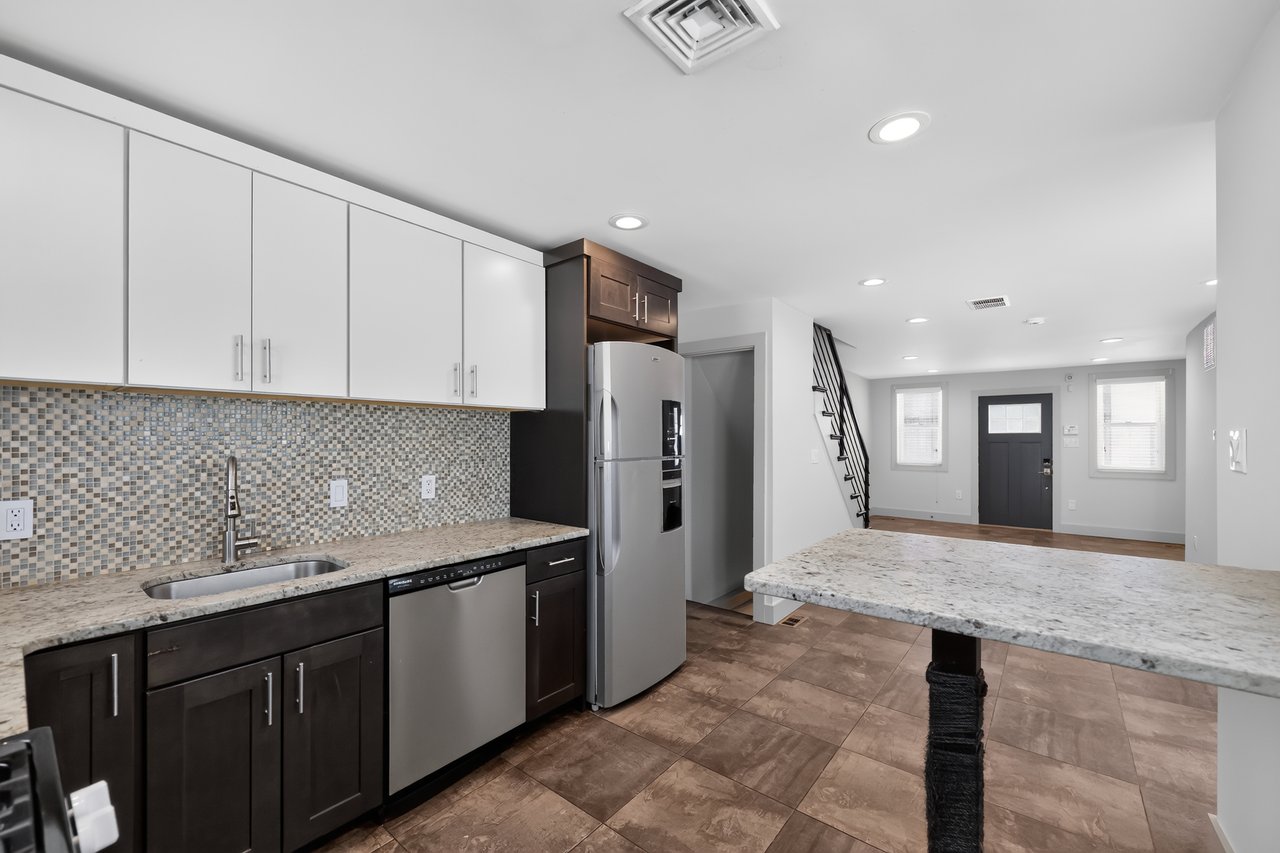
A renovated West Passyunk rowhome with two ensuite suites, three full baths, and a lender program that drops your cash to close to $5,866.

Home Owner Blueprint
New 2027 assessments just hit mailboxes across Philadelphia, and most homeowners are seeing higher numbers. Here's what changed, why City Council is asking questions, … Read more
Real Estate
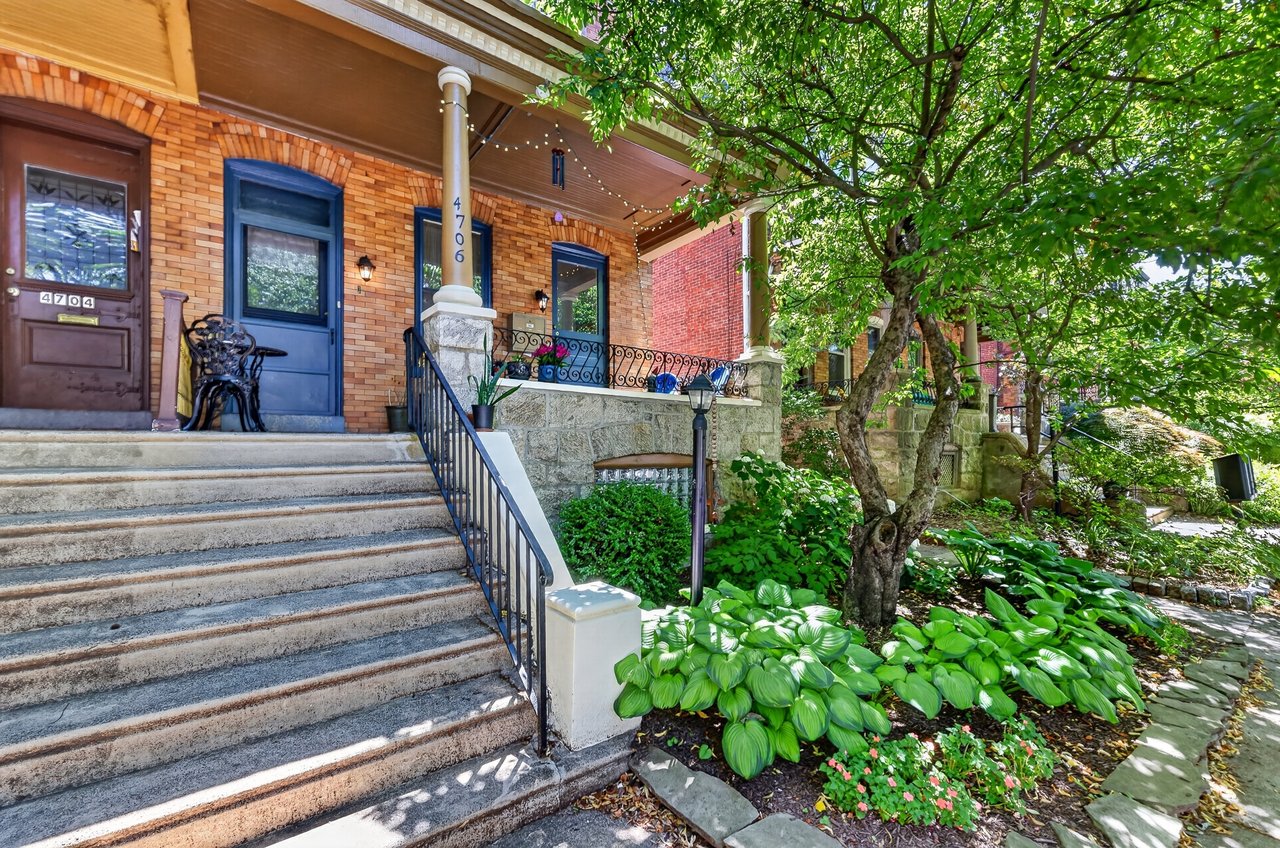
A fully leased Cedar Park triplex with a 7% cap rate, built for investors and 1031 exchange buyers ready to close fast.
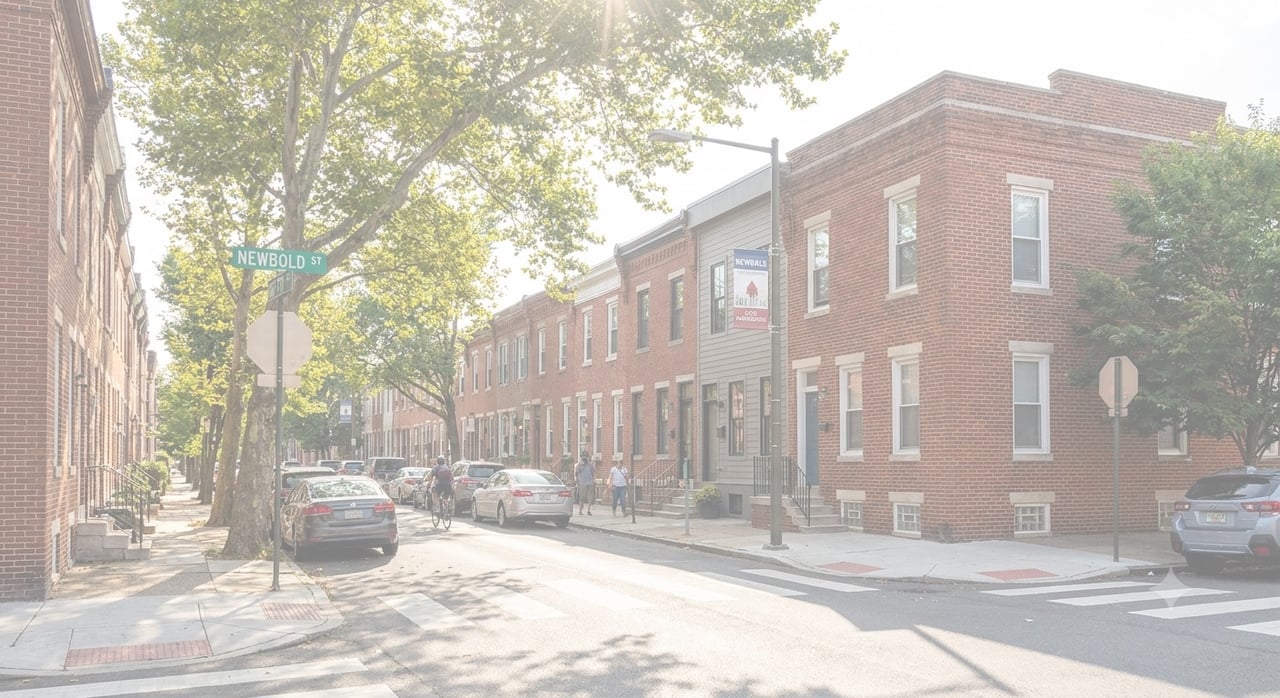
Newbold Neighborhood Events
From cozy BYOBs to craft beer havens, Newbold's dining scene is having a moment, and Restaurant Week is the perfect excuse to explore it.
Tom builds lasting relationships — not just real estate deals. Experience a client-first approach designed around your goals, timeline, and peace of mind. Schedule a call and see how Tom can help you move forward.

Tom Englett | Compass RE
1430 Walnut Street, 3rd Floor Philadelphia, PA 19102