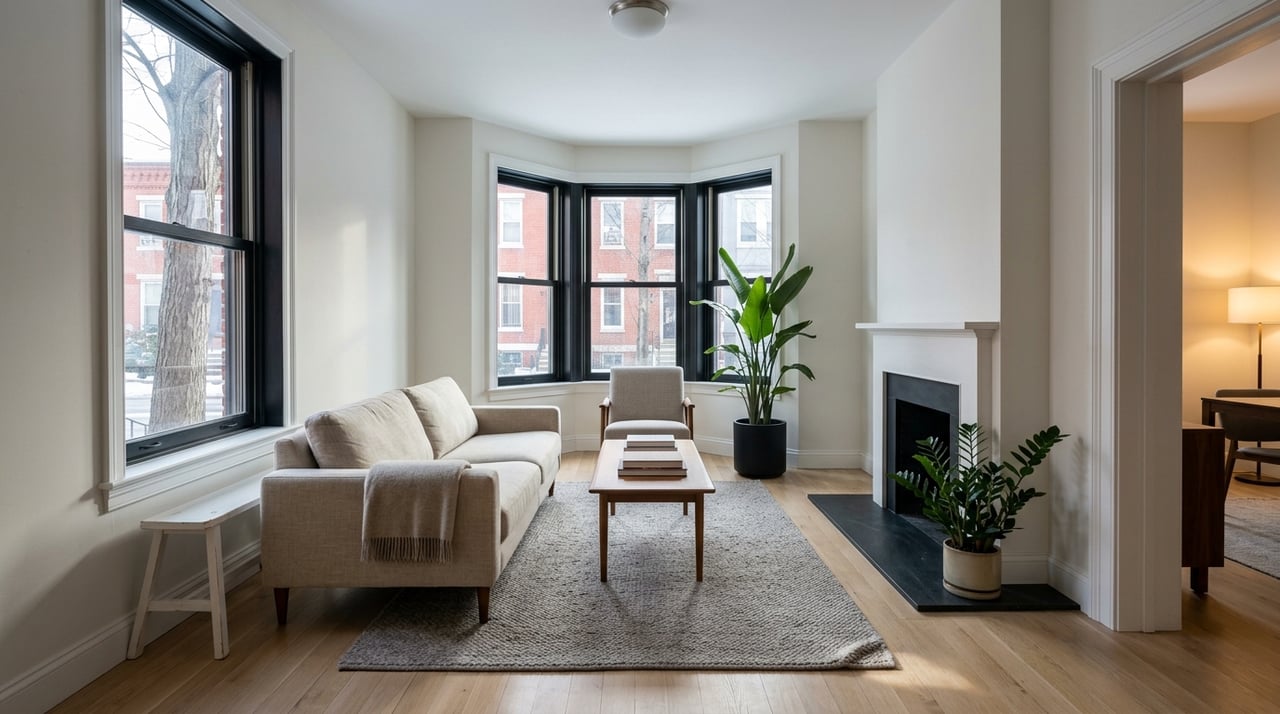
Is Fitler Square The Right Next-Step Neighborhood?
Wondering whether Fitler Square is the right move after condo living or a busier Center City address? If you want to stay close to everything but shift into a quieter, more residential setting, this neighborhood often lands on the shortlist for good reason. Below, you’ll get a clear look at what Fitler Square feels like, what types of homes you’ll find, what the pricing says, and where the trade-offs are. Let’s dive in.
Fitler Square offers something many Center City buyers are looking for but do not always find easily: a neighborhood feel without giving up central access. The area is centered around Fitler Square Park at Pine Street between 23rd and 24th Streets, and local sources describe it as an easy walk to lively commercial areas while staying thoroughly residential.
That balance is the big draw. Compared with more retail-heavy parts of Center City, Fitler Square tends to feel calmer on a day-to-day basis, with tree-lined streets, low-rise homes, and a more tucked-away character.
If you are moving from a high-rise condo or a rental in a busier part of town, the lifestyle shift here is less about distance and more about pace. You are still close to Center City, but the neighborhood itself feels more scaled to everyday residential living.
That can be appealing if you want your home base to feel quieter after work, while still keeping walkable access to restaurants, offices, and core city destinations nearby. Fitler Square is often a next-step neighborhood for people who want that middle ground.
Fitler Square is known for its historic, low-rise housing stock. The Rittenhouse-Fitler Residential Historic District includes rows of brick houses, two-story rowhouses on backstreets, four-story rowhouses on Pine and Spruce, and a mix of rowhouses and apartment towers closer to Rittenhouse Square.
Current neighborhood descriptions also point to brownstones, Victorian-era townhouses, condos, and newer riverfront buildings. In practical terms, you are often choosing between classic Philadelphia architecture and a smaller set of newer options.
For many buyers, the appeal is not bargain pricing. It is the chance to buy into a more house-like format with architectural detail, lower-rise surroundings, and a distinct neighborhood identity.
If you are comparing Fitler Square with a typical Center City condo experience, this area often offers a different kind of value. You may get more historic character and a more residential block feel, even if the price point stays firmly premium.
Fitler Square sits in the premium tier of the Center City market. As of May 2026, Realtor.com reported 17 homes for sale, 80 homes for rent, a median listing price of $719,500, and a median rent of $2,730 per month.
Redfin’s three-month median sale price was $849,714, with homes selling in about 29 days. That suggests a market where buyers should be prepared, especially when a well-located or well-updated property hits the market.
The same Realtor.com data places Fitler Square above nearby comparison points like Rittenhouse at $650,000 and Center City West at $529,450 in median listing price. That does not automatically make it better or worse, but it does confirm the neighborhood carries a premium.
For you, the key question is whether the lifestyle and housing style justify that premium. In Fitler Square, buyers are often paying for location, historic character, residential atmosphere, and access to outdoor amenities.
One of Fitler Square’s strongest selling points is how much outdoor access it offers for a Center City neighborhood. Schuylkill Banks notes that residents can reach the trail from the area using the Spruce Street bike lane to 25th Street, then turning at Locust, with the Schuylkill River Parks Connector Bridge available if the at-grade crossing is blocked.
Visit Philadelphia describes Schuylkill Banks and the Boardwalk as an eight-mile riverfront stretch, with access points near 25th and Locust, Walnut west of 24th, Chestnut west of 24th, and South Street. That makes the riverfront trail system a real part of daily life for many residents, not just an occasional destination.
Schuylkill River Park and Markward Playground add even more utility nearby. According to Schuylkill Banks, those amenities include dog parks, lawns, a community garden, a recreation center, courts, a baseball field, and a pool.
Fitler Square Park itself also plays a big role in neighborhood life. The park hosts gatherings such as a holiday tree lighting, Easter egg hunt, Halloween party, farmers’ market, and seasonal fairs.
Philadelphia magazine’s 2026 guide highlights the neighborhood’s walkability and sense of community as central to its appeal. That matters if you are not just buying a home, but also choosing the kind of environment you want around you every day.
Fitler Square tends to attract people who value a residential block, local park activity, and quick access to the riverfront. It is not defined by constant commercial activity, which is part of why some buyers see it as a smart next step.
Parking is one of the most important practical questions in Fitler Square. If you have a car, this is not the kind of neighborhood where you should assume curbside parking will be easy.
Philadelphia Parking Authority rules explain that residential permits are district-based and virtual, and eligibility depends on having a vehicle registered to a home address within the permit district. Visit Philadelphia’s parking guidance also notes that residential blocks use permit parking and that garages and lots in Center City are often cheaper and more practical than relying on street parking.
Current neighborhood guidance also says street parking is mostly permit-based and can be competitive, especially during peak hours. For buyers, that means parking should be part of your home search criteria from the start.
If keeping a car matters to you, it makes sense to prioritize:
This is one of the clearest trade-offs in Fitler Square. The neighborhood offers strong walkability and centrality, but not effortless car storage.
Fitler Square tends to make the most sense if you want to stay connected to Center City while moving into a more residential setting. It can be a strong fit for buyers or renters who value historic homes, low-rise streetscapes, and easy access to parks and the river trail.
You may also find it appealing if you are moving up from a condo or rental and want a neighborhood with a more settled, house-oriented feel. In that case, Fitler Square often represents a lifestyle upgrade more than a budget play.
Fitler Square may be a strong match if you are looking for:
No neighborhood works for everyone, and Fitler Square has clear limits. If you want abundant parking, a full-service high-rise lifestyle, or a more retail-driven atmosphere, you may find the area less aligned with your priorities.
That does not make it a weak neighborhood. It simply means your best fit depends on how you want to live day to day.
Fitler Square is a compelling next-step neighborhood if your goal is to trade some of the bustle of Center City for a quieter, more residential setting without losing urban convenience. Its strongest advantages are historic housing stock, premium neighborhood character, and standout access to parks and the Schuylkill riverfront trail.
The biggest cautions are straightforward: pricing is premium, and parking requires planning. If those trade-offs fit your priorities, Fitler Square may be exactly the kind of move that feels more settled without feeling disconnected.
If you want help comparing Fitler Square with nearby Center City options, Tom Englett can help you weigh the trade-offs and find the right next-step neighborhood for your goals.
Philadelphia Real Estate
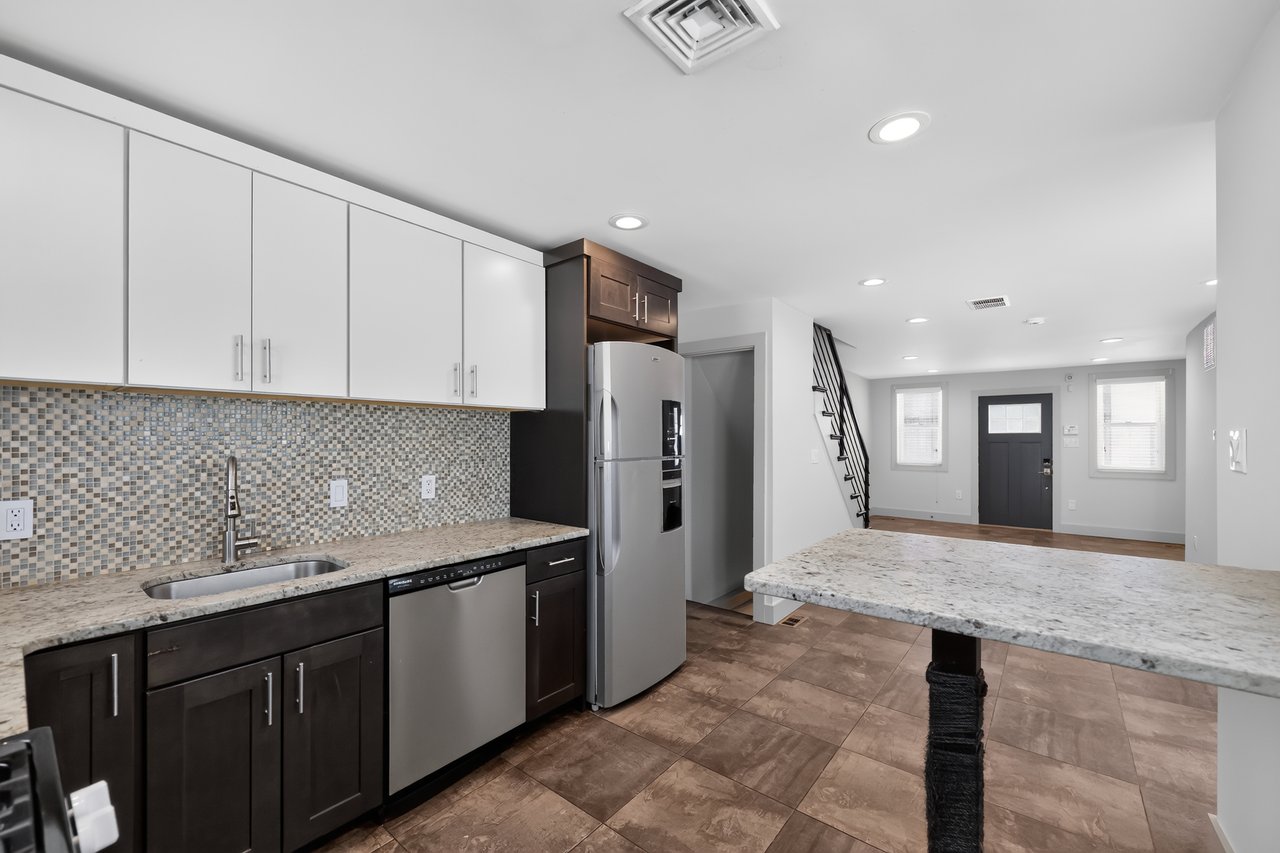
A renovated West Passyunk rowhome with two ensuite suites, three full baths, and a lender program that drops your cash to close to $5,866.
Home Owner Blueprint
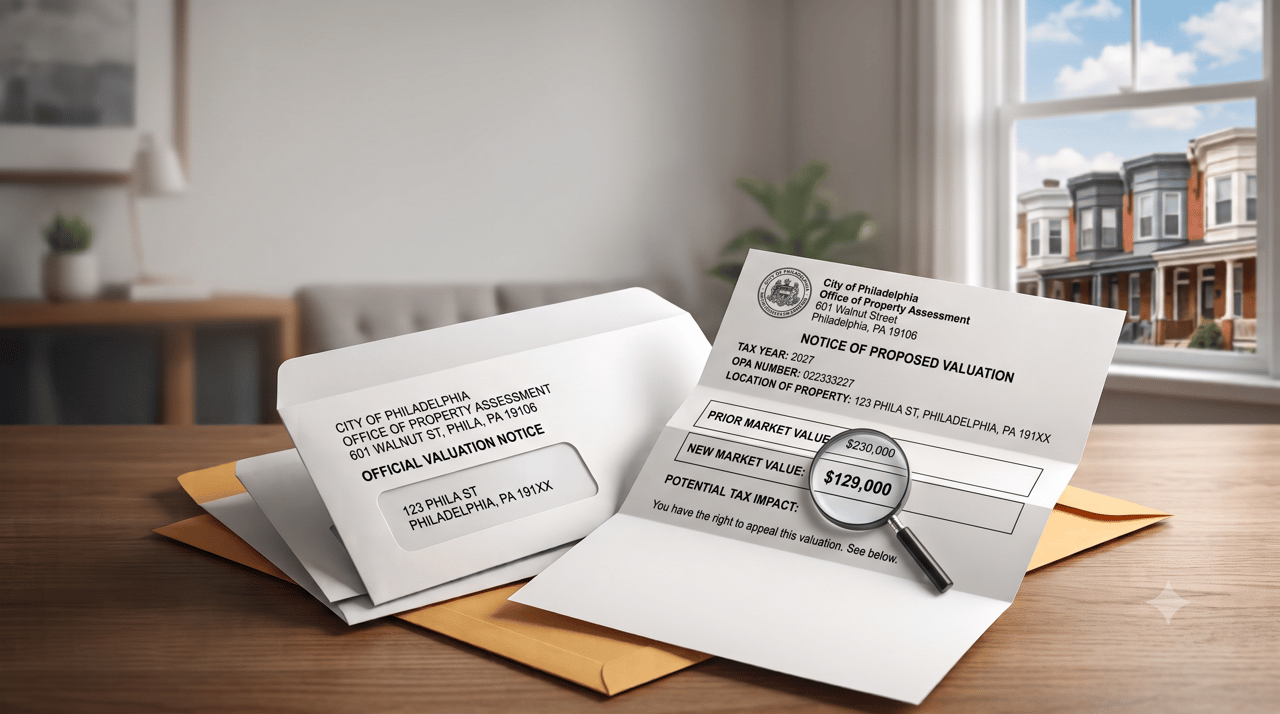
New 2027 assessments just hit mailboxes across Philadelphia, and most homeowners are seeing higher numbers. Here's what changed, why City Council is asking questions, … Read more
Real Estate
A fully leased Cedar Park triplex with a 7% cap rate, built for investors and 1031 exchange buyers ready to close fast.
Newbold Neighborhood Events
From cozy BYOBs to craft beer havens, Newbold's dining scene is having a moment, and Restaurant Week is the perfect excuse to explore it.
Tom builds lasting relationships — not just real estate deals. Experience a client-first approach designed around your goals, timeline, and peace of mind. Schedule a call and see how Tom can help you move forward.
Tom Englett | Compass RE
1430 Walnut Street, 3rd Floor Philadelphia, PA 19102