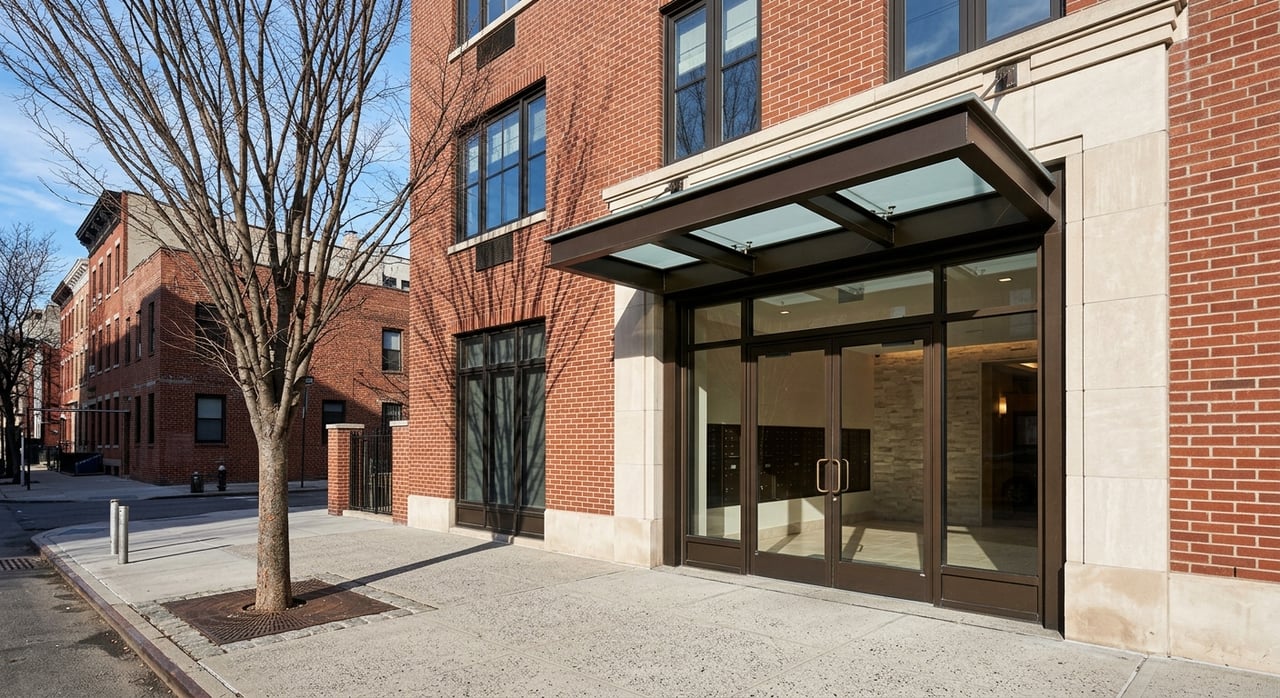
How To Evaluate Condo Buildings In Washington Square West
Buying a condo in Washington Square West can feel exciting and a little tricky at the same time. You may love the block, the layout, and the walkable Center City lifestyle, but the building itself often tells the bigger story. If you want to make a smart purchase, you need to look past finishes and focus on how the condo building is run, maintained, and positioned for resale. Let’s dive in.
Washington Square West draws buyers for good reason. It offers strong walkability, access to Jefferson Station, multiple Market Street transit stops, and a mix of neighborhood amenities that support daily city living.
It is also a neighborhood with a wide range of building types. City historic-district materials describe a dense area with building stock that spans from the 18th century through the late 20th century, with rowhouses dominating and taller apartment buildings more common near the north and west edges.
That matters because condo inventory here is often boutique, conversion-based, and mixed by age and construction type. In practical terms, two buildings on nearby blocks can have very different upkeep needs, rules, and long-term costs.
In Washington Square West, age is not a flaw. It is part of the appeal. But older buildings usually require more careful due diligence than newer, more uniform condo projects.
The neighborhood’s historic character remains a major draw, and city materials note a high degree of integrity in building type, materials, scale, and architectural character. For you as a buyer, that means the building’s repair history and future capital needs deserve close attention.
Ask direct questions about the building’s past work and near-term plans. Focus on whether the association has handled maintenance consistently or has delayed major projects.
Historic status can affect what owners and associations can change on a building’s exterior. In Washington Square West, that is especially important because the area includes city historic-district materials and many older structures.
The City of Philadelphia says owners of historic properties must get approval before working on the property and must follow the terms of those approvals. If the building falls within the Washington Square West historic district materials, you should confirm what exterior work has already been approved and what future work may require review.
This is not just a design issue. It can affect project timing, costs, and what kinds of upgrades may be possible down the road.
One of the best ways to evaluate an older condo building in Philadelphia is to review the city record for the address. Philadelphia’s Atlas system allows you to search permits, licenses, inspections, zoning history, property values, deeds, mortgage history, and nearby activity.
This step can help you spot repeated violations, large recent projects, or signs of deferred maintenance. It can also help you verify whether work that looks recent was actually permitted.
Pennsylvania law also makes clear that condo ownership does not override local zoning, building code, subdivision, or other real-estate-use rules. So even in a condo building, permit history and code compliance still matter.
In Washington Square West, condo rules are usually building-specific, not neighborhood-wide. Pennsylvania law gives condo associations broad authority to adopt and amend bylaws, rules, budgets, and reserve practices, and to regulate common elements.
That means pet policies, rental limits, move-in procedures, storage rules, and amenity access can vary widely from one building to the next. A condo that looks perfect on paper may not fit your lifestyle if the rules are too restrictive for how you plan to live or hold the property.
You should read the governing documents carefully before you commit. This is where many of the most important practical details are found.
Low condo dues can look appealing at first glance. But in older or amenity-rich buildings, low dues are not always a sign of value.
A Pennsylvania legislative commission report notes that the state does not require common-interest communities to maintain reserve accounts or budget for them. The same report also points out that buildings with elevators or more amenities can face major capital costs.
For you, the takeaway is simple: low dues may mean the building is efficient, but they can also point to weak reserves or a higher risk of future special assessments. You want to understand not just the monthly number, but the financial health behind it.
A condo building can be attractive in person and still be difficult to finance. That matters because financing affects both your purchase options now and your resale pool later.
Fannie Mae states that lenders must determine whether a condo project meets project-eligibility requirements before delivering a loan. It also identifies project issues that can make a condo ineligible, including critical repairs, litigation, hotel-like operation, and certain business arrangements.
You do not need to become an underwriting expert, but you should ask whether the building has any known financing issues. If a building has a narrower lending pool, that can affect demand when you decide to sell.
Do not assume every condo unit in a building is taxed the same way. In Philadelphia, property tax abatements can apply to all or part of an improvement for a set number of years, including a 10-year residential abatement for new construction or qualifying rehab work.
The city also states that properties with a 10-year residential tax abatement are not eligible for the Homestead Exemption. That can affect your monthly cost picture and your long-term planning.
The key is to verify the tax status of the specific condo interest you are buying. The building may have a general reputation for an abatement, but the unit-level details still matter.
A well-run building often supports stronger long-term appeal than a great unit in a poorly managed property. In a neighborhood like Washington Square West, where building types vary so much, that distinction matters.
There is also broader context supporting condo demand in central Philadelphia. Center City District reports that Greater Center City had 210,710 residents, grew 28% from 2011 to 2024, and absorbed more than 4,000 housing units in 2025.
That does not guarantee appreciation in any one building. It does suggest that central, well-managed condo properties can remain attractive to future buyers when location, upkeep, and governance line up.
Before you move forward on a condo in Washington Square West, make sure you can answer these questions clearly:
A condo purchase in Washington Square West is not just about the kitchen, the floor plan, or the view. It is also about the building’s history, records, rules, and financial health. When you evaluate those pieces early, you put yourself in a much stronger position to buy with confidence.
If you want a steady, local perspective as you compare condo buildings in Washington Square West, Tom Englett can help you evaluate the details that matter and move forward with clarity.
Philadelphia Real Estate
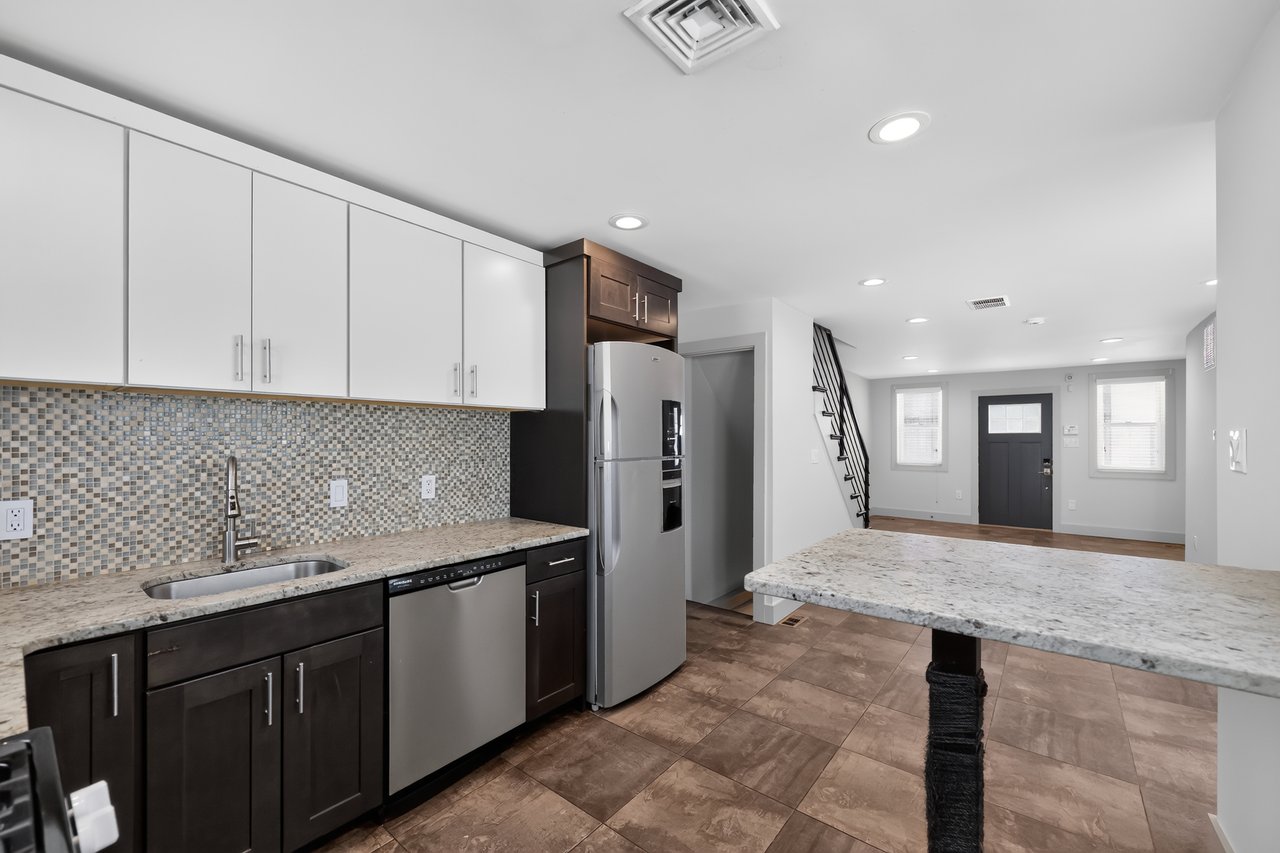
A renovated West Passyunk rowhome with two ensuite suites, three full baths, and a lender program that drops your cash to close to $5,866.


Home Owner Blueprint
New 2027 assessments just hit mailboxes across Philadelphia, and most homeowners are seeing higher numbers. Here's what changed, why City Council is asking questions, … Read more
Real Estate
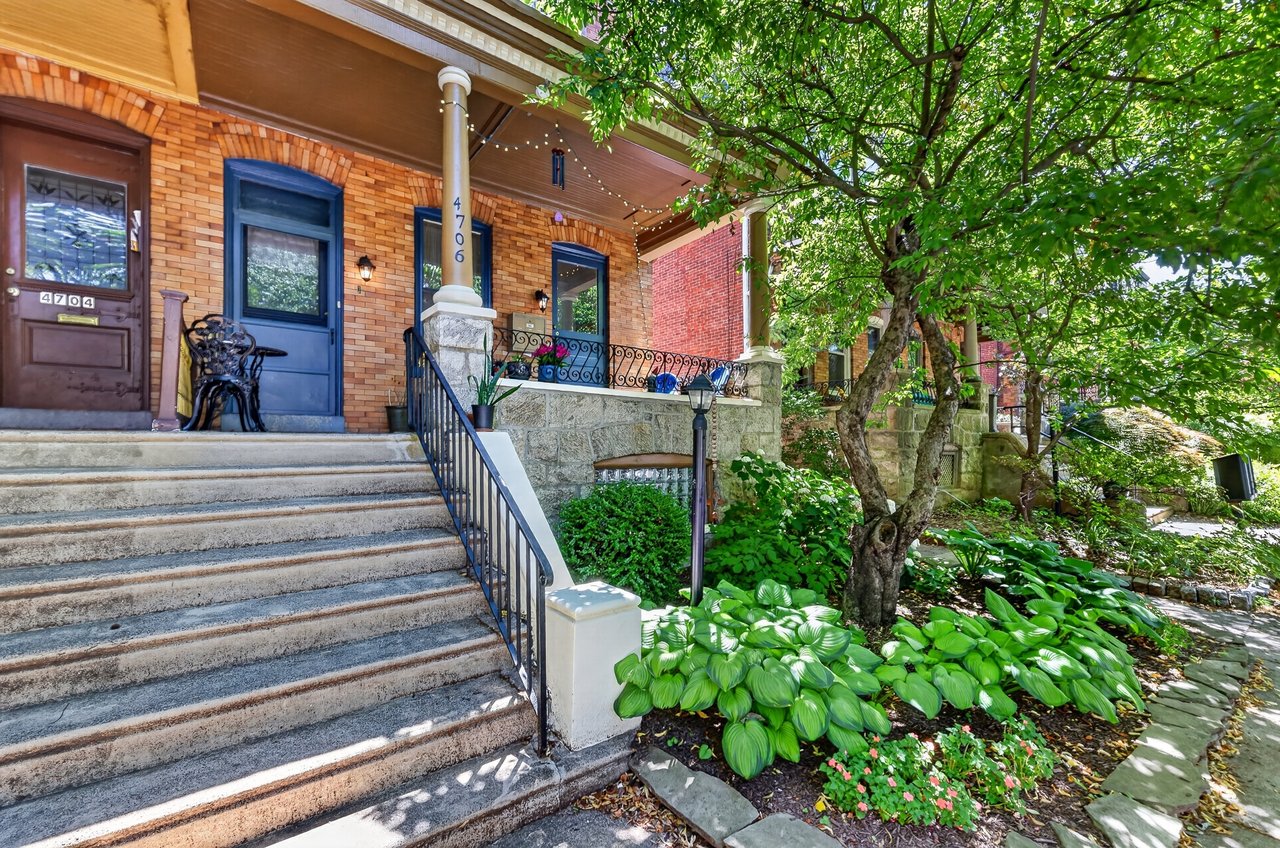
A fully leased Cedar Park triplex with a 7% cap rate, built for investors and 1031 exchange buyers ready to close fast.
Newbold Neighborhood Events
From cozy BYOBs to craft beer havens, Newbold's dining scene is having a moment, and Restaurant Week is the perfect excuse to explore it.
Tom builds lasting relationships — not just real estate deals. Experience a client-first approach designed around your goals, timeline, and peace of mind. Schedule a call and see how Tom can help you move forward.

Tom Englett | Compass RE
1430 Walnut Street, 3rd Floor Philadelphia, PA 19102