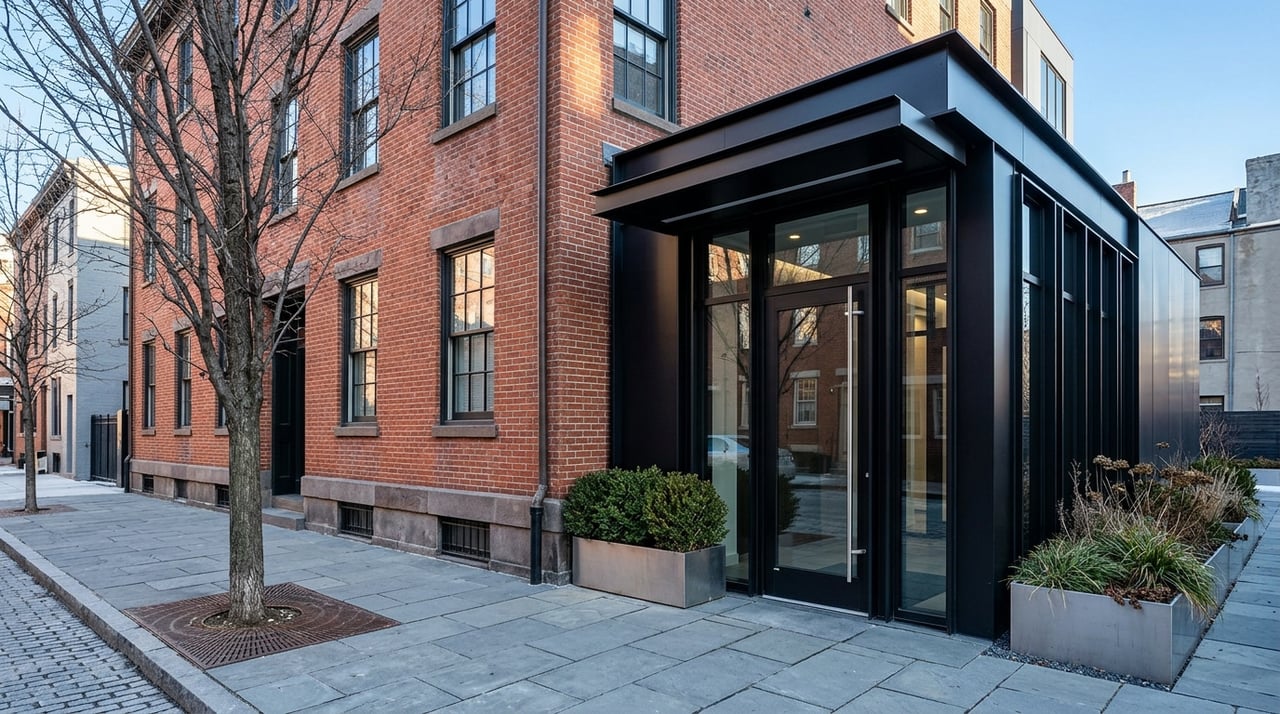
How To Choose The Right Home Style In Fairmount
Wondering which home style actually fits your life in Fairmount? It is an important question, because this neighborhood offers more than one path to homeownership. If you are weighing a classic rowhome against a condo or a larger masonry townhouse, the right answer usually comes down to your budget, your maintenance comfort, and how you want to live day to day. Let’s dive in.
Fairmount stands out because it is still strongly shaped by Philadelphia’s rowhouse pattern, but the current market also includes condos and a small number of multifamily properties. That gives you more flexibility than buyers sometimes expect when they first start searching here.
March 2026 market data shows Fairmount with a median listing price of $479,000 and $332 per square foot. By comparison, Philadelphia overall was at $270,000, while Center City was at $525,000 and $394 per square foot. Fairmount also showed a median of 20 days on market, compared with 47 days citywide, which suggests buyers should be ready to move when the right property appears.
Current search results also show a mix of active listings, including townhouses, condos, and at least one multifamily home. In practical terms, choosing a home style in Fairmount is not just about curb appeal. It is also about space, upkeep, parking, and monthly carrying cost.
Before you fall in love with any one listing, it helps to define what matters most to you. In Fairmount, your best fit often becomes clearer when you focus on how you want your home to function.
Ask yourself a few basic questions first:
Once you know your priorities, the different property styles in Fairmount become much easier to compare.
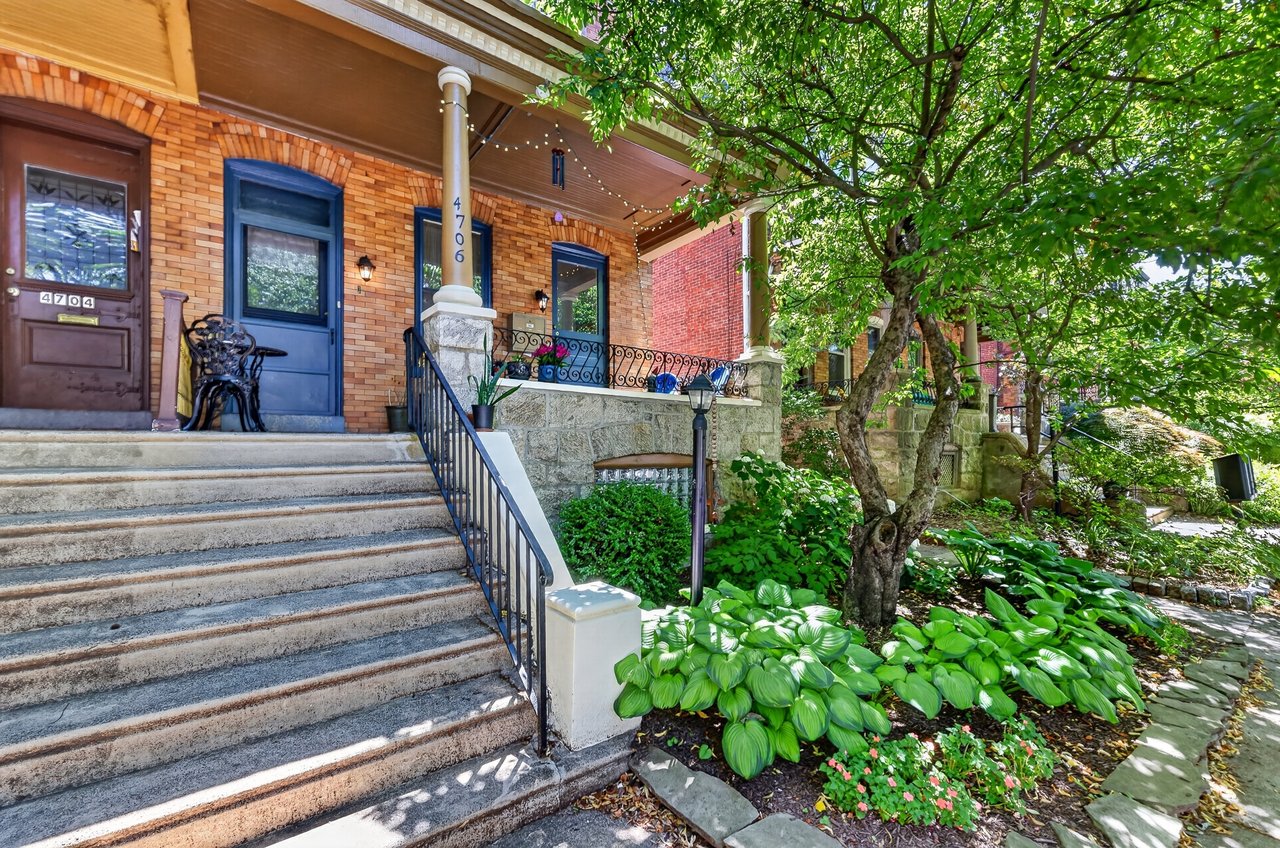
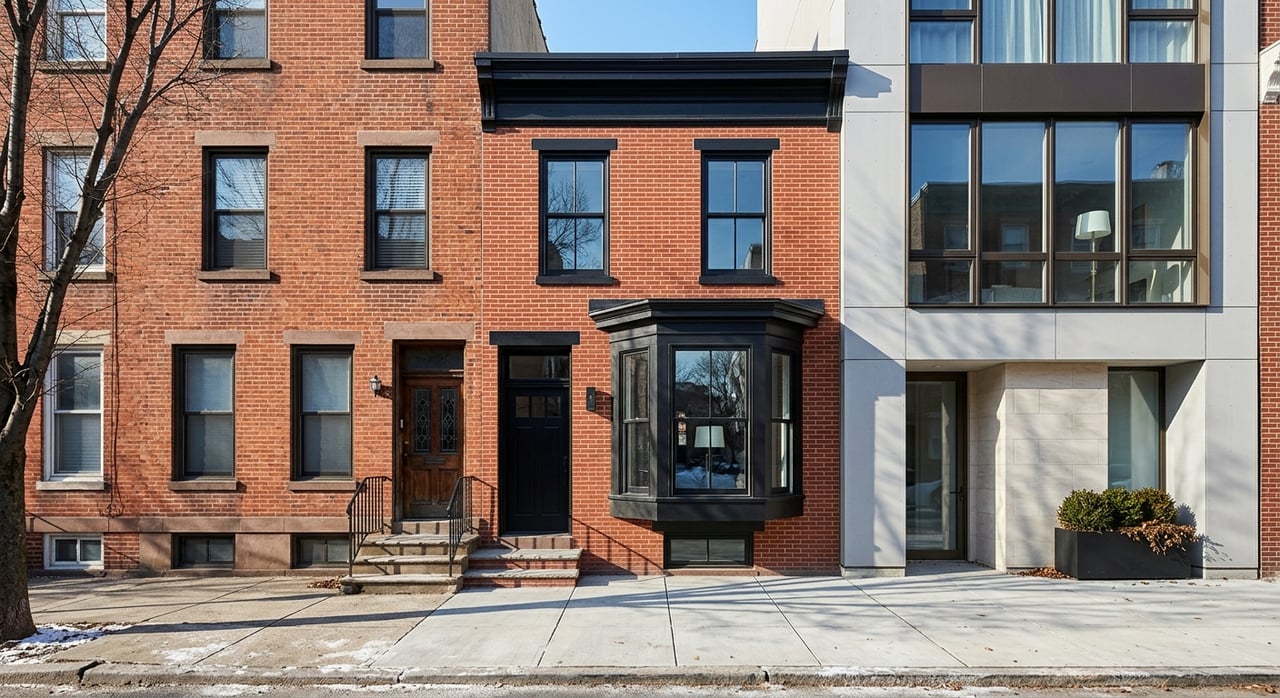
Philadelphia planning materials describe the city as largely a rowhouse city, and Fairmount reflects that identity clearly. A recent Historical Commission review of the Fairmount Avenue corridor describes the area as being defined by three-story brick rowhouses with a repeating rowhouse-width rhythm.
If you picture a classic Fairmount streetscape, this is probably what you are imagining. For many buyers, a rowhome offers the strongest connection to the neighborhood’s historic character and the experience of owning a whole house.
A rowhome can make sense if you want:
Rowhomes also span a wide price range in Fairmount. Current listings show smaller townhouses in roughly the mid-$300,000s, while larger or newly renovated homes can reach $1 million or more depending on size, condition, and location.
The tradeoff is maintenance. Philadelphia’s rowhouse guidance notes that many older homes were built with minimal insulation, and that brick and mortar need ongoing attention over time.
You may also need to think carefully about parking. Many rowhouse blocks were designed long before cars became common, and the city notes that on-site parking requires permits and curb cuts. If off-street parking is non-negotiable for you, it should be one of your first filters.
In Fairmount, the word “brownstone” can be a little misleading. Philadelphia’s rowhouse materials explain that brownstone often refers to a facade material or trim detail, especially around windows, doors, or the base of a building, while brick remains the dominant material across the city.
That means a listing described as a brownstone in Fairmount is often better understood as a masonry townhouse or rowhome with brownstone detailing, rather than a separate housing category. This matters because it helps set realistic expectations as you search.
This type of property may appeal to you if you want:
In Fairmount, these homes often overlap with the upper end of the townhouse market. Price can be driven as much by renovation quality and scale as by the label used in the listing.
The same older-home realities still apply here. Masonry care, roof replacement cycles, window maintenance, and water intrusion are all issues worth evaluating carefully.
If you love the look, make sure you are also comfortable with the ownership responsibilities that can come with an older masonry home. The style may feel elevated, but it is still part of the broader rowhouse ecosystem that defines much of Philadelphia.
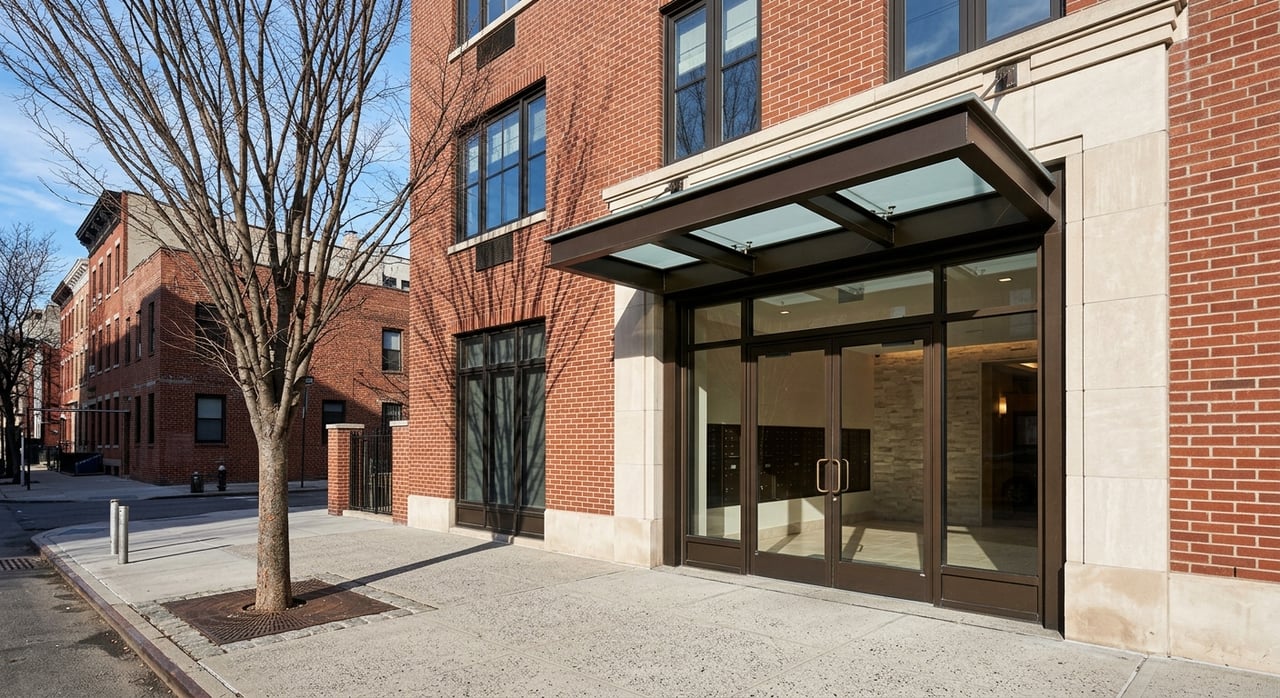
If your goal is convenience, a condo may be the best match. Fairmount’s condo inventory includes large-building living and more typical neighborhood units, with current listings showing options in and around the Parkway area.
One of the neighborhood’s most recognized condo examples is The Philadelphian on the Benjamin Franklin Parkway. According to CBP Architects, it consists of three connected 20-story residential towers built in 1963 with 776 units, which helps illustrate the scale and style of some of Fairmount’s condo stock.
A condo may be a smart option if you want:
Current Fairmount condo listings also show that studios, one-bedroom units, and some smaller two-bedroom homes can come in below the cost of many updated rowhomes. For buyers focused on getting into the neighborhood without stretching into townhouse pricing, that can be a meaningful advantage.
The big tradeoff is monthly carrying cost. Condo or HOA dues are typically paid separately from your mortgage and should be part of your affordability math from the beginning.
A condo with a lower purchase price does not always mean a lower monthly budget. When you compare options, look at the full picture, including mortgage, taxes, insurance, utilities, maintenance, and any HOA dues.
Fairmount is not dominated by multifamily buildings, but they do show up from time to time. Current active inventory includes at least one multifamily listing around $660,000, which shows that this property type is part of the neighborhood mix even if it is less common.
For some buyers, this can be the most flexible option. It may offer separate living areas or a setup that works better for buyers who want more than one unit under one roof.
A smaller multifamily property may make sense if you want:
This style can appeal to buyers who are thinking beyond a standard single-unit layout. The main advantage is versatility.
The tradeoff is complexity. In most cases, a multifamily property requires more management than a condo or a single-unit rowhome.
You also need to evaluate total ownership cost carefully. Taxes, insurance, maintenance, utilities, and the general responsibilities of managing a larger or more layered property setup all matter here.
If you are stuck between two property types, parking and maintenance usually help break the tie. These issues affect your daily experience more than many buyers realize.
For example, you may love the authenticity of a rowhome but decide that limited parking and older-home maintenance do not fit your routine. Or you may prefer the convenience of a condo once you account for the time and cost involved in caring for brick, mortar, roofing, and exterior systems.
In Fairmount, those practical filters are often more useful than broad style labels. The best home is the one that fits your life after closing, not just your wish list during the search.
If you want a quick framework, here is a practical way to think about it:
No matter which style attracts you first, it helps to compare homes through the lens of budget, maintenance, parking, and long-term fit. In a neighborhood like Fairmount, that is usually what leads to the smartest decision.
Fairmount offers a rare middle ground in Philadelphia. You can get urban access, strong neighborhood character, and a range of housing styles without automatically landing at Center City pricing. The key is knowing which tradeoffs you are willing to make before you start touring homes.
If you want help narrowing your options and matching your budget to the right Fairmount property type, Tom Englett offers a concierge, neighborhood-focused approach that helps you buy with more clarity and confidence.
Home Owner Blueprint
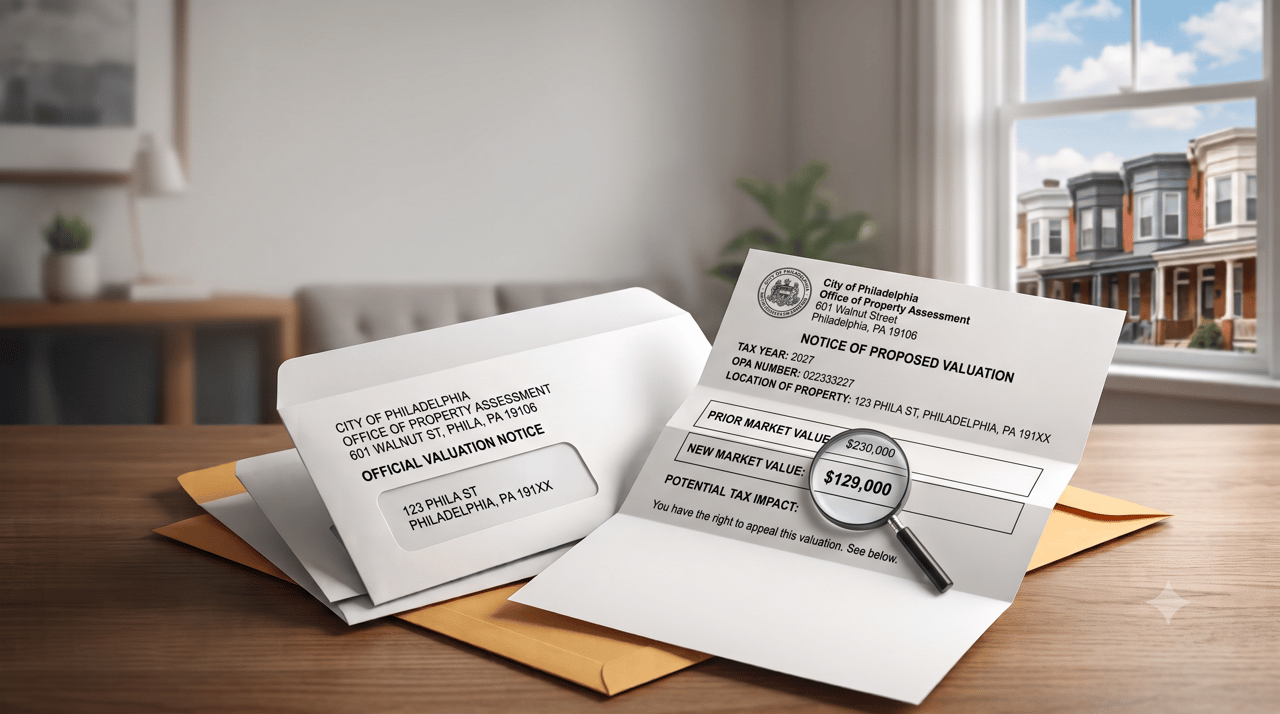
New 2027 assessments just hit mailboxes across Philadelphia, and most homeowners are seeing higher numbers. Here's what changed, why City Council is asking questions, … Read more
Real Estate
A fully leased Cedar Park triplex with a 7% cap rate, built for investors and 1031 exchange buyers ready to close fast.
Newbold Neighborhood Events
From cozy BYOBs to craft beer havens, Newbold's dining scene is having a moment, and Restaurant Week is the perfect excuse to explore it.
Tom builds lasting relationships — not just real estate deals. Experience a client-first approach designed around your goals, timeline, and peace of mind. Schedule a call and see how Tom can help you move forward.
Tom Englett | Compass RE
1430 Walnut Street, 3rd Floor Philadelphia, PA 19102