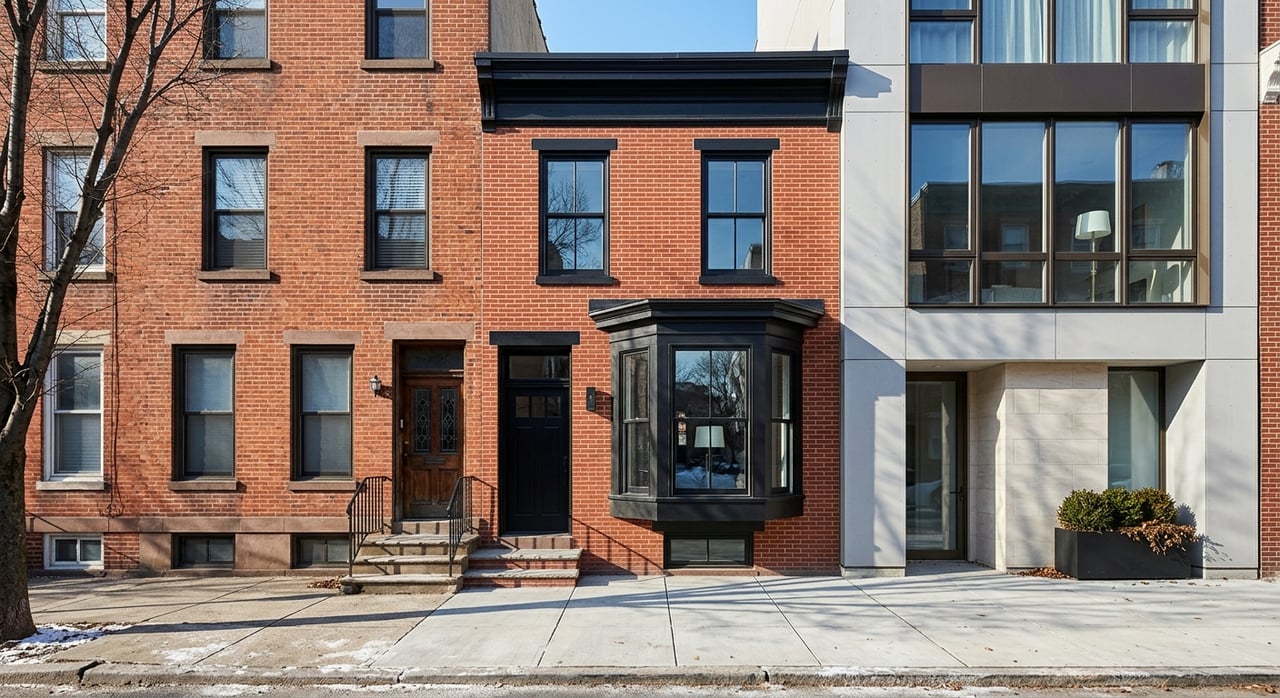
Strategic Pricing For Point Breeze Rowhome Sellers
Are you thinking about listing your Point Breeze rowhome and wondering how aggressive you can be on price? In this neighborhood, that question matters more than ever because buyers are active, but they are also paying close attention to value. If you price strategically, you can protect your leverage, limit extra days on market, and improve your net result. Let’s dive in.
Point Breeze is still outperforming Philadelphia overall on price, but that does not mean every listing can stretch to the top of the market. Recent snapshots show median sale prices in the neighborhood around $310,000 to $325,000, while median list prices have been higher, around $349,900 in one reported sample. That gap tells you something important: asking high and getting high are not always the same thing.
Current market data also shows meaningful negotiation. Zillow reported a median sale-to-list ratio of 0.976, with 71.5% of homes selling under list and only 7.8% selling over list. In simple terms, most sellers are not winning by testing an ambitious price and waiting.
Homes are still moving, with reported pending timelines around 36 days and median days on market around 40, depending on the source. That is active, but it is not instant. In a market like this, the first impression your price makes can shape the entire listing trajectory.
One of the biggest pricing mistakes in Point Breeze is treating the whole neighborhood like one uniform market. It is not. City planning updates and infrastructure projects show activity spread across different corridors and streets, which means buyer perception can shift from block to block.
That matters because two rowhomes with similar layouts can compete very differently depending on their exact location. A home near a more active corridor, a newer pocket of development, or a street with nearby improvement work may be judged differently than a similar house a few blocks away. Neighborhood averages can give context, but they should not be your pricing strategy.
Point Breeze also has a noticeable mix of older housing stock, renovated resales, and newer construction. Buyers do not just compare square footage. They compare the total package, including condition, finish level, systems, and what else is available nearby.
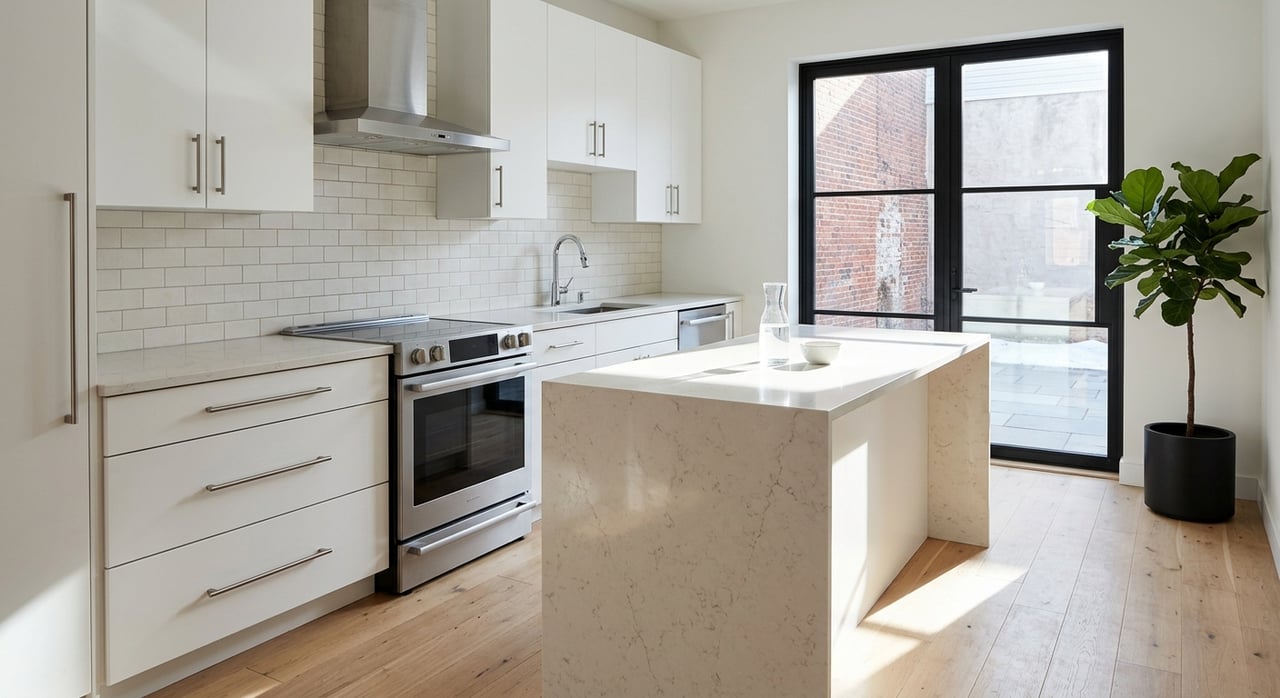
If you want a smart list price, start by comparing your home to the right product type. In Point Breeze, that usually means renovated rowhomes should be measured against other renovated rowhomes, while new construction should be measured against other new construction listings and recent sales.
This distinction matters because buyers often see a major difference between cosmetic updates and a full renovation. A home with fresh paint and a new kitchen may show well online, but buyers may still discount it if nearby options offer newer systems, stronger finish consistency, or a different ownership cost structure.
Price per square foot can also help frame the market, but only if you use it carefully. Redfin reported about $237 per square foot for closed sales in Point Breeze, while Realtor.com showed about $249 per square foot for active listings. That spread is another reminder that the market may not support every seller’s hoped-for number.
In Point Breeze, renovated resale homes and new-build homes often compete for the same buyers, but they do not always command the same pricing. New construction may justify a higher price in part because of the way buyers evaluate monthly carrying costs.
Philadelphia’s residential tax abatement can play a major role here. For qualifying newly constructed residential properties, the City provides a 10-year declining abatement that starts at 100% of the abated building value in year one and steps down by 10% each year through year 10. The City also states that properties with a 10-year residential tax abatement are not eligible for the Homestead Exemption.
For buyers, that can mean a new-build home has a different monthly cost picture than a resale, even if the purchase price is higher. For sellers of renovated rowhomes, the lesson is clear: you need pricing that reflects what your home truly offers, not just what a nearby new construction listing is asking.
Buyers in Point Breeze are often willing to pay more when the value is obvious and measurable. That may include:
The key is proof. If the nearby sold data does not support the premium, the market may push back quickly.
In a neighborhood with active demand and clear price sensitivity, overpricing often creates more drag than advantage. Drexel’s 2025 Q4 Philadelphia housing report says 50 to 70 days is typical for a balanced market citywide, but Point Breeze listings are often moving faster than that when they are aligned with buyer expectations. If your home lingers past the early window of interest, buyers may start to assume something is off.
That early window matters because your first two weeks on market usually draw the strongest attention. If showings are light or buyer feedback keeps circling back to price, the market is giving you information. Waiting too long to respond can reduce urgency and weaken your negotiating position.
This is especially relevant when most sales are still closing below list. In today’s Point Breeze market, a price cut after stale exposure often does less for you than launching with a realistic number from day one.
It is easy to focus on headline sale price. What matters more is what you keep after the transaction. In Philadelphia, that means understanding how transfer tax affects your bottom line.
The City of Philadelphia’s Realty Transfer Tax is 4.578% of the sale price or assessed value plus assumed debt, and it is due when the deed is recorded. The City notes that the tax is usually split evenly between buyer and seller, but that split is not legally required, and the City can collect the full amount from either party.
On a $325,000 sale, the total transfer tax is about $14,878.50. If split evenly, the seller share is about $7,439.25. That is a big enough number that your pricing strategy should always be tied to estimated net proceeds, not just the price you hope to announce.
Another common mistake is assuming your tax assessment is the same as market value. It is not. Philadelphia’s Office of Property Assessment sets assessed value for tax purposes, while the market sets your sale price.
That means your list price should be based on current comparable sales, competing inventory, and neighborhood-specific buyer behavior. Assessment figures may help explain property taxes and carrying costs, but they are not the right benchmark for strategic pricing.
If you are preparing to sell a Point Breeze rowhome, a strong pricing plan usually follows a few key steps.
Start by defining what your home really is in the eyes of buyers. Is it lightly updated, fully renovated, or closer to new-build competition in finish and systems? Accurate positioning is the foundation of every smart pricing decision.
Closed sales tell you what buyers actually agreed to pay. In a neighborhood where sale-to-list ratios are below 1.0, sold data should carry more weight than optimistic active listings.
Do not stop at zip code or neighborhood boundaries. In Point Breeze, immediate surroundings can affect pricing more than broad averages. The street, nearby projects, and micro-location all shape buyer perception.
Active listings matter because they set the choices buyers see today. If nearby homes with similar finishes, size, or condition are sitting, that may be a sign the market is resisting the current asking range.
Your launch period is your best real-time pricing test. If the response is strong, your pricing is probably aligned. If interest is weak, acting quickly is often better than defending a number the market is not supporting.
Point Breeze can reward sellers, but it rarely rewards guesswork. The neighborhood’s mix of renovated rowhomes, new construction, block-by-block differences, and price-sensitive buyers means the best pricing strategy is grounded, local, and realistic.
When you price from recent closed data, account for true competition, and keep your net proceeds in view, you give yourself a better chance to sell with less friction. In a market where many homes still trade below list, smart pricing is not about leaving money on the table. It is about giving your home the best chance to reach the right number.
If you want a consultative, neighborhood-specific pricing strategy for your Point Breeze rowhome, schedule a conversation with Tom Englett.
Philadelphia Real Estate
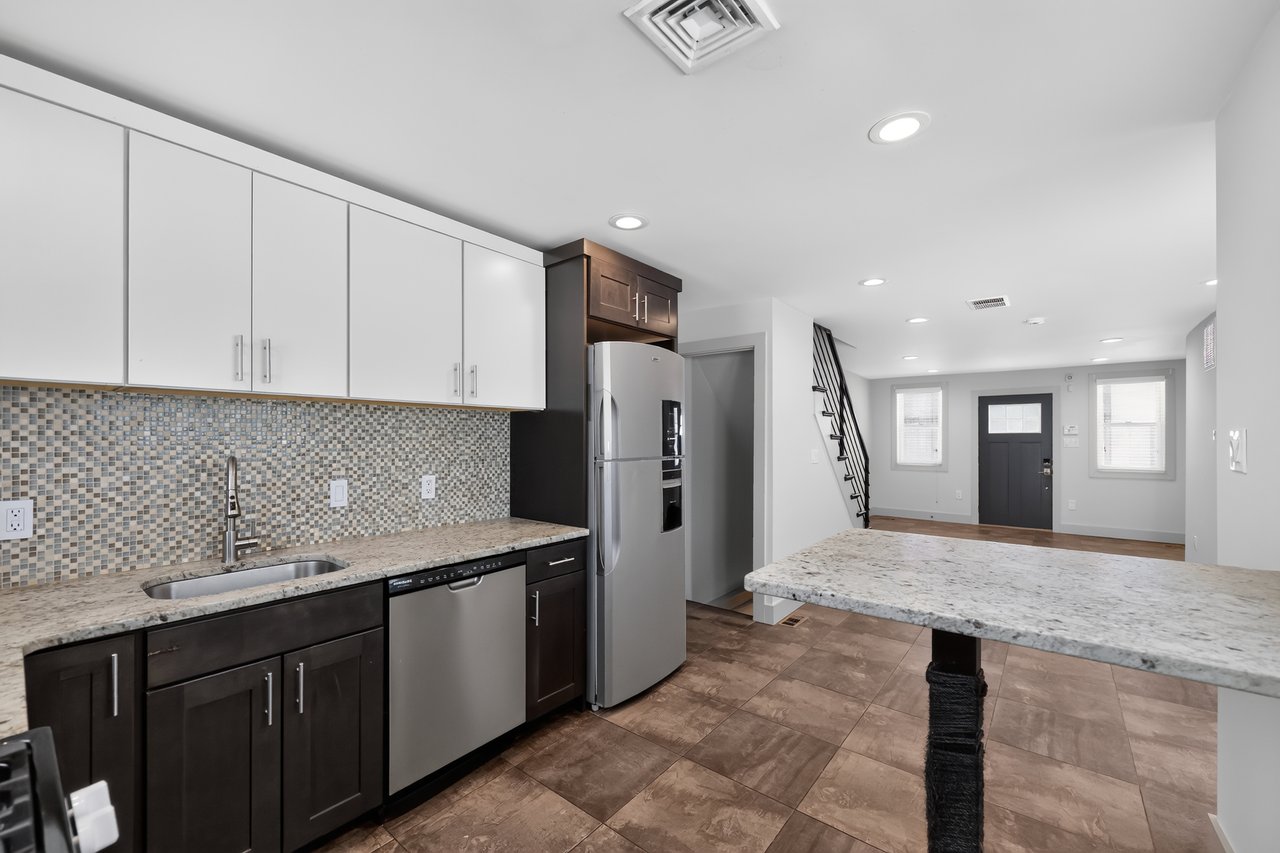
A renovated West Passyunk rowhome with two ensuite suites, three full baths, and a lender program that drops your cash to close to $5,866.


Home Owner Blueprint
New 2027 assessments just hit mailboxes across Philadelphia, and most homeowners are seeing higher numbers. Here's what changed, why City Council is asking questions, … Read more
Real Estate
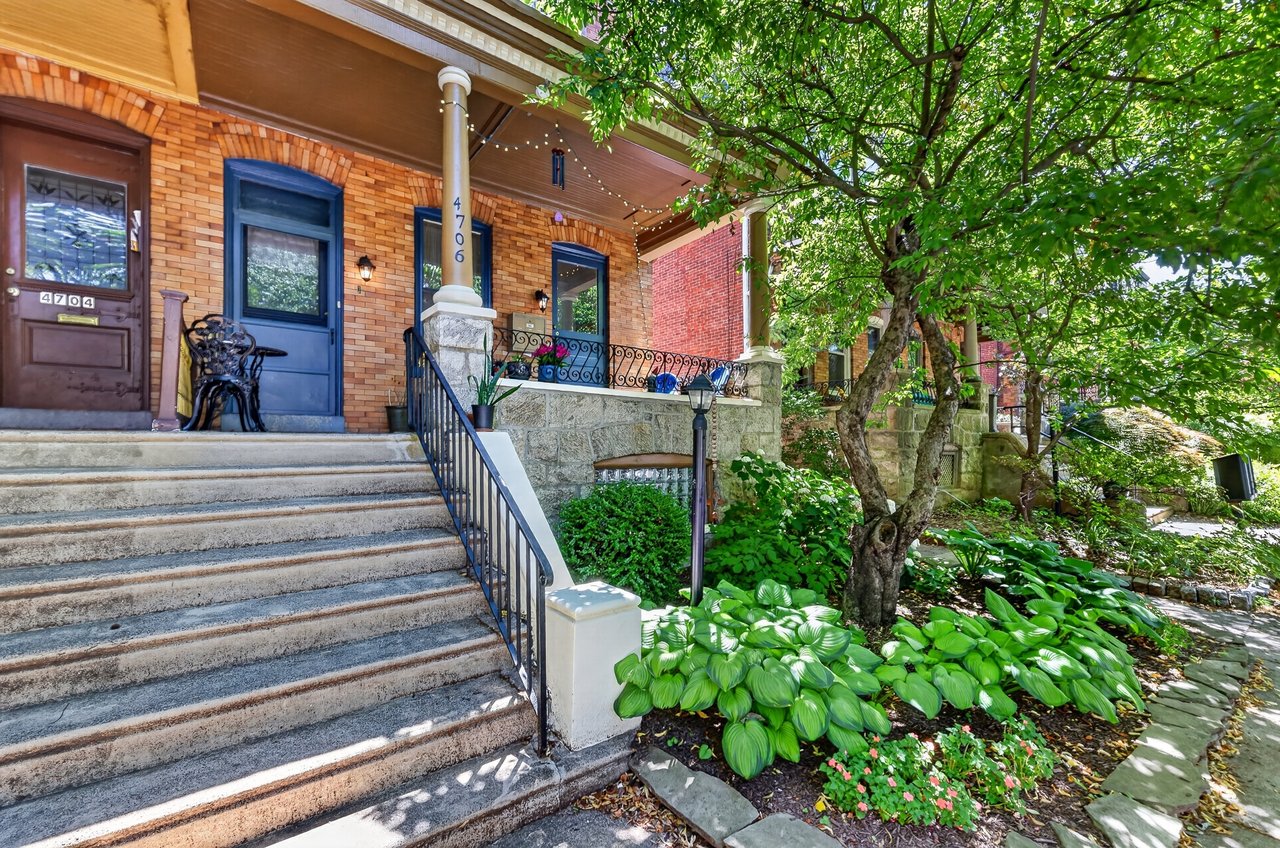
A fully leased Cedar Park triplex with a 7% cap rate, built for investors and 1031 exchange buyers ready to close fast.
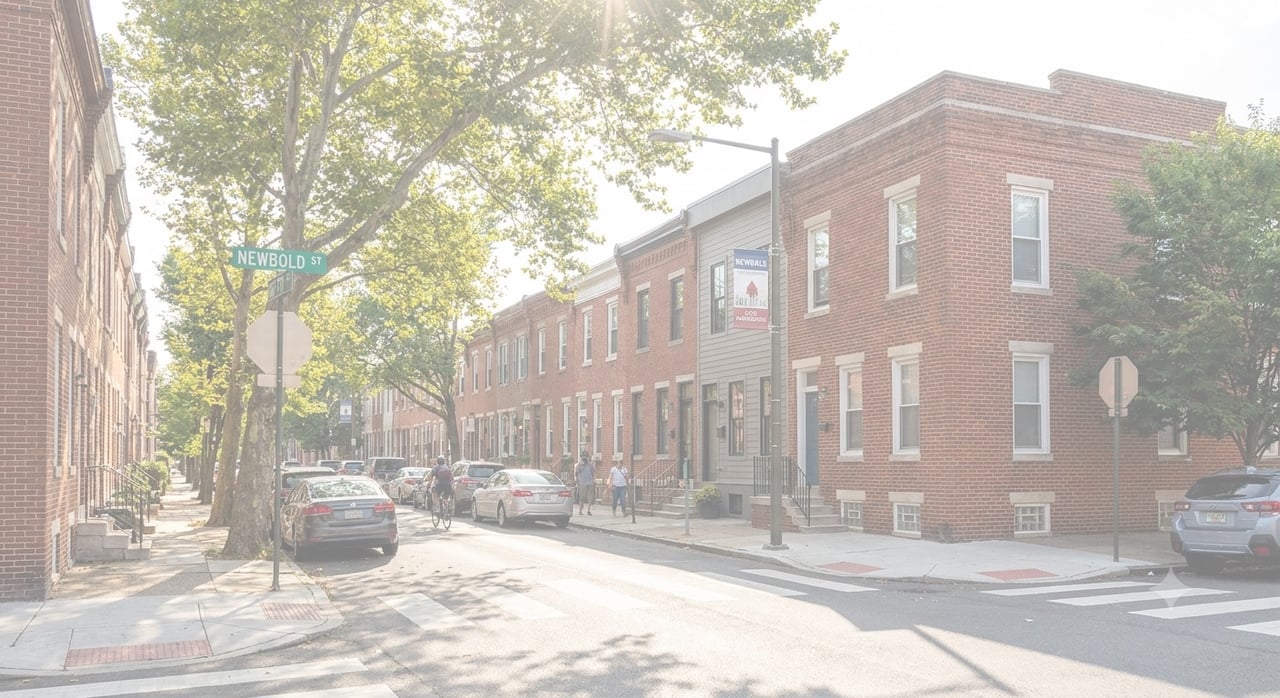
Newbold Neighborhood Events
From cozy BYOBs to craft beer havens, Newbold's dining scene is having a moment, and Restaurant Week is the perfect excuse to explore it.

Tom builds lasting relationships — not just real estate deals. Experience a client-first approach designed around your goals, timeline, and peace of mind. Schedule a call and see how Tom can help you move forward.

Tom Englett | Compass RE
1430 Walnut Street, 3rd Floor Philadelphia, PA 19102