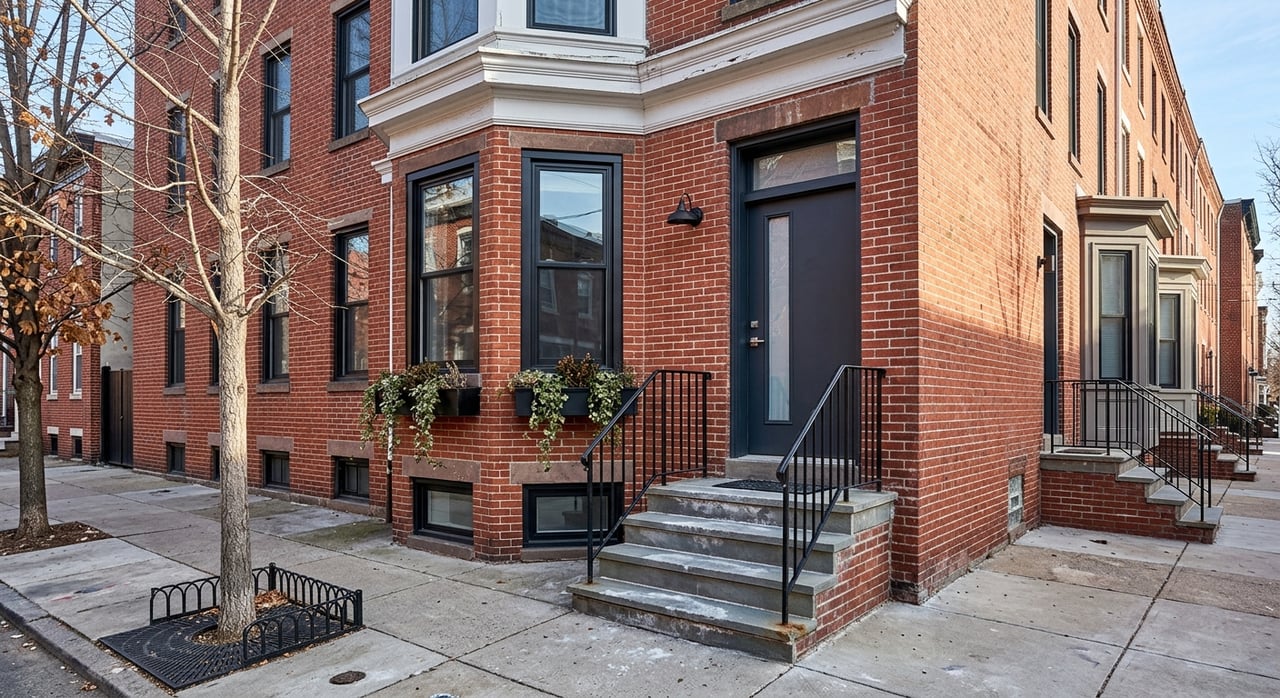
What Everyday Life Near The Italian Market Feels Like
If you are trying to picture daily life near the Italian Market, think less about a one-time weekend outing and more about a neighborhood where ordinary errands come with real character. Bella Vista gives you that mix of practical convenience, strong local history, and steady street activity, all within a compact part of South Philadelphia. If you want to understand what it feels like to live here day to day, this guide will walk you through the rhythm of the blocks, the market, and the small routines that shape everyday life. Let’s dive in.
Bella Vista sits just south of Center City, generally running from South Street to Washington Avenue and from 6th Street to 11th Street. It is mainly residential, but it is crossed by three major commercial corridors: South Street, Washington Avenue, and the 9th Street Italian Market.
That layout shapes daily life in a very noticeable way. You can be on a quieter rowhouse block one minute, then step into a much busier stretch filled with food shopping, takeout, and neighborhood foot traffic the next.
The area also carries a long history. Bella Vista has been shaped over time by Italian, Jewish, and free Black residents, and today it also reflects Latino and Southeast Asian influences. That layered identity is part of what makes the neighborhood feel active, rooted, and distinct.
The Italian Market is the main daily-life anchor in Bella Vista. It is described by the market association as the nation’s oldest outdoor market and by Visit Philadelphia as the oldest open-air market of its kind in the nation.
What matters most in everyday terms is how the corridor functions. It is not just a place to visit for a special occasion. It works like a neighborhood network for groceries, produce, meats, seafood, coffee, baked goods, housewares, and quick meals.
That means your routine can stay very local. Instead of planning one large shopping trip, you may find yourself making smaller, more frequent stops as part of the normal flow of the week.
One of the clearest lifestyle patterns in Bella Vista is the simple morning coffee run. Function Coffee Labs at 1001 S. 10th Street opens at 7:30 a.m. daily and serves espresso drinks, drip coffee, breakfast sandwiches, and house-made pastries.
For you, that can mean grabbing coffee before work, after a school drop-off, or on the way to pick up a few groceries. The convenience matters, but so does the feel of it. Your morning errand does not have to be disconnected from the neighborhood around you.
That is a big part of the appeal near the Italian Market. Daily tasks can feel a little more social and a little less like a chore.
Bella Vista stands out because routine shopping still feels tied to the street. Long-running businesses in and around the market help create that sense of continuity.
Fante’s has been in the Italian Market since 1906 and is known for kitchen utensils and housewares. Sarcone’s has baked in the market since 1918. Di Bruno Bros. opened its original Italian Market storefront in 1939 and built its reputation on cheese and specialty foods.
Those businesses give the area a sense of staying power, but they also serve practical day-to-day needs. You are not only walking through a historic corridor. You are moving through a place that still supports regular living.
There is also a historical reason the market still works this way. In its earlier years, families shopped daily for food and household goods before refrigeration and supermarket-style habits changed how people bought essentials. That helps explain why the corridor still feels well suited to repeat visits and smaller, practical stops.
Life near the Italian Market is not quiet in the suburban sense. It is active, close-in, and full of street-level detail.
The market association describes the scent of herbs, spices, seafood, and ground coffee beans. It points to the crackle of butcher paper, colorful produce, storefront windows with fresh pasta and chocolate, and multiple languages heard along the street.
In winter, barrel fires help warm shoppers. In warmer months, the corridor can feel bright, open, and full of motion. If you are drawn to neighborhoods where everyday life happens out in the open, this part of Bella Vista has that energy.
One reason people are drawn to this part of Philadelphia is that a basic errand can easily become something more enjoyable. A stop for bread, produce, or cheese can turn into lunch, a snack, or a longer walk through the neighborhood.
Visit Philadelphia highlights the area’s broad food mix, including tortillas, tacos, pastries, Italian cheeses, breads, meats, and destination dining. That variety supports both quick weekday convenience and more relaxed weekend wandering.
For you, that means flexibility. You can keep things efficient when you need to, but the neighborhood also makes it easy to slow down when you have time.
Near the Italian Market, weekends often feel less transactional and more communal. People are out walking, picking up food, browsing shops, and spending more time in the neighborhood rather than simply moving through it.
The Italian Market Festival is the clearest example of that shared rhythm. The event began in 1971 and was revived in 2001, and its traditions include Grease Pole Climbing, the Procession of Saints, and a Halfball Tournament.
Even if you are not attending a festival every week, that civic energy matters. It speaks to a neighborhood where the commercial corridor is tied to community identity, not just retail activity.
The market may be the center of gravity, but Bella Vista also offers places to slow down. That balance is important if you want a neighborhood that feels lively without feeling one-note.
Bardascino Park is described by Bella Vista Neighbors Association as a shady neighborhood oasis with a bocce court. Its Friends group hosts free summer concerts, KidFest, and World Cup watch parties.
Cianfrani Park adds another local gathering spot with a fall flea market fundraiser and a June concert series. Palumbo Park, beside Fleisher Art Memorial, also has an active Friends group. Bel Arbor Community Garden adds a quieter layer to the neighborhood with 25 garden plots, an orchard area, and a meadow.
Together, these spaces give you options beyond restaurants and shopping. They support a more rounded daily life, especially if you value a mix of activity and pause.
The neighborhood experience near the Italian Market is not limited to food. Philadelphia’s Magic Gardens adds another reason people spend time exploring the area on foot.
The museum includes two indoor galleries and a bi-level outdoor sculpture garden, and it offers tours and programs throughout the year. It is open Wednesday through Monday and closed Tuesdays.
For daily life, the bigger point is what that says about the neighborhood. You are not choosing between convenience and culture. In this part of Bella Vista, those things often sit within the same walk.
Taken together, everyday life near the Italian Market feels dense, walkable, and deeply tied to the street. You can move from coffee to groceries to a bakery stop without going far, then head to a park, an art destination, or dinner in the same general area.
There is a steady contrast that many people find appealing. The side streets are more residential, while the market spine brings motion, noise, and sensory detail.
If you are considering buying in Bella Vista, that contrast is worth paying attention to. Your experience may shift block by block, which is exactly why local guidance matters when you are trying to match a home to the lifestyle you want.
Whether you are looking for a rowhome near the action or a spot on a quieter residential street nearby, understanding the day-to-day rhythm can help you make a more confident move. If you want a clear, neighborhood-focused conversation about Bella Vista and nearby Philadelphia options, reach out to Tom Englett.
Philadelphia Real Estate
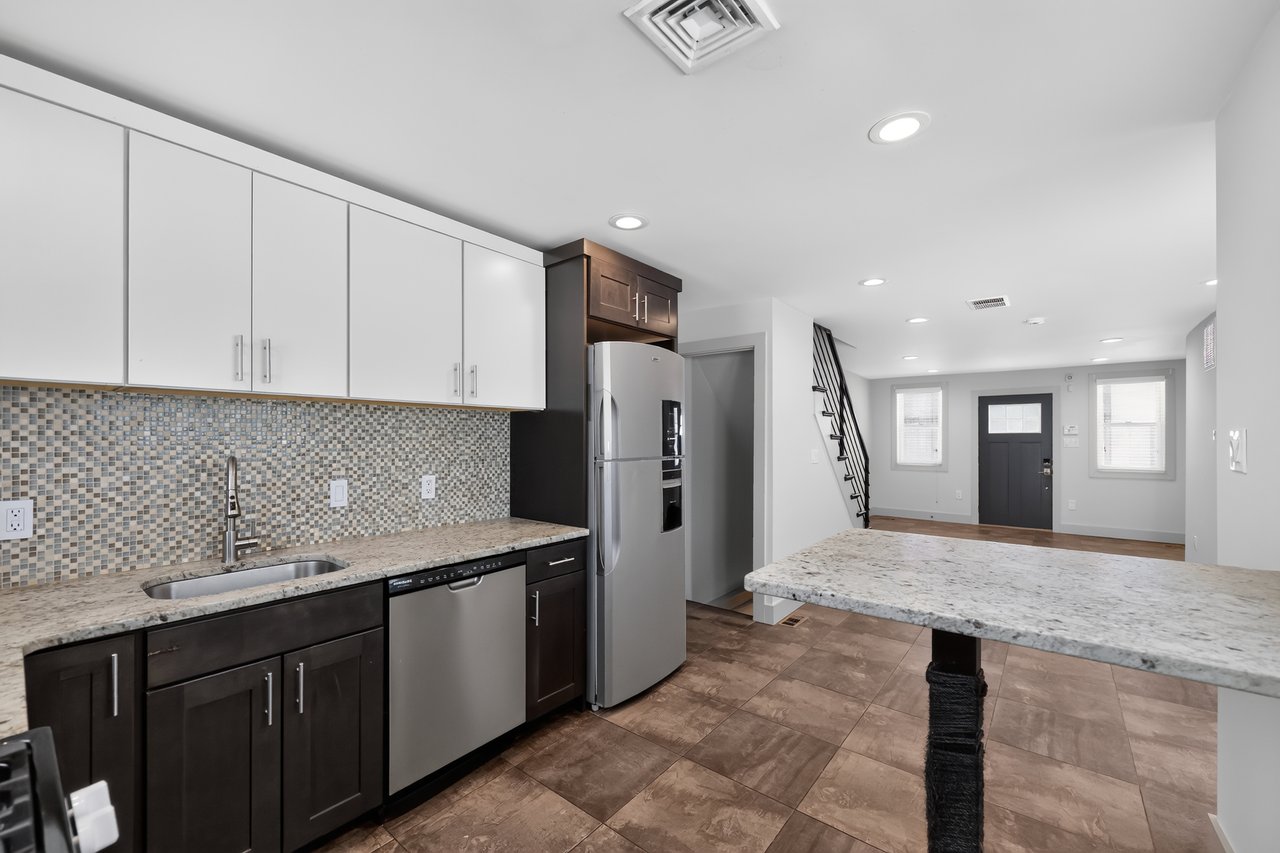
A renovated West Passyunk rowhome with two ensuite suites, three full baths, and a lender program that drops your cash to close to $5,866.

Home Owner Blueprint
New 2027 assessments just hit mailboxes across Philadelphia, and most homeowners are seeing higher numbers. Here's what changed, why City Council is asking questions, … Read more
Real Estate
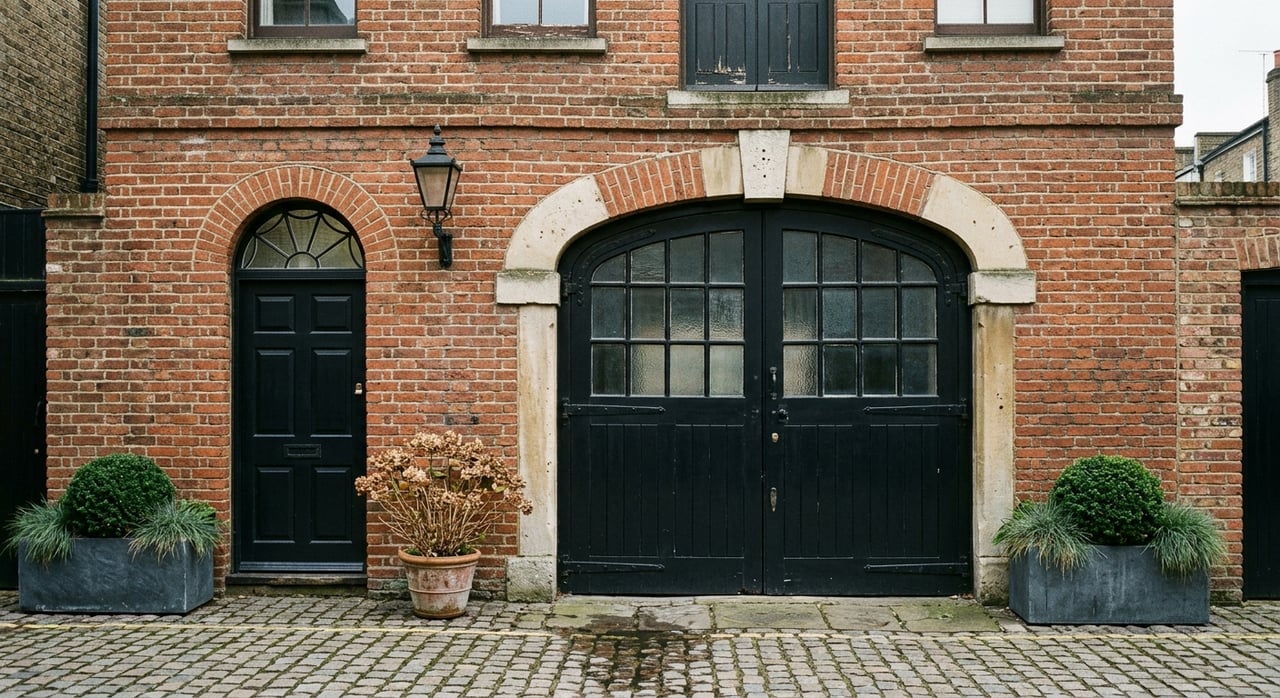
A fully leased Cedar Park triplex with a 7% cap rate, built for investors and 1031 exchange buyers ready to close fast.
Newbold Neighborhood Events
From cozy BYOBs to craft beer havens, Newbold's dining scene is having a moment, and Restaurant Week is the perfect excuse to explore it.
Tom builds lasting relationships — not just real estate deals. Experience a client-first approach designed around your goals, timeline, and peace of mind. Schedule a call and see how Tom can help you move forward.
Tom Englett | Compass RE
1430 Walnut Street, 3rd Floor Philadelphia, PA 19102