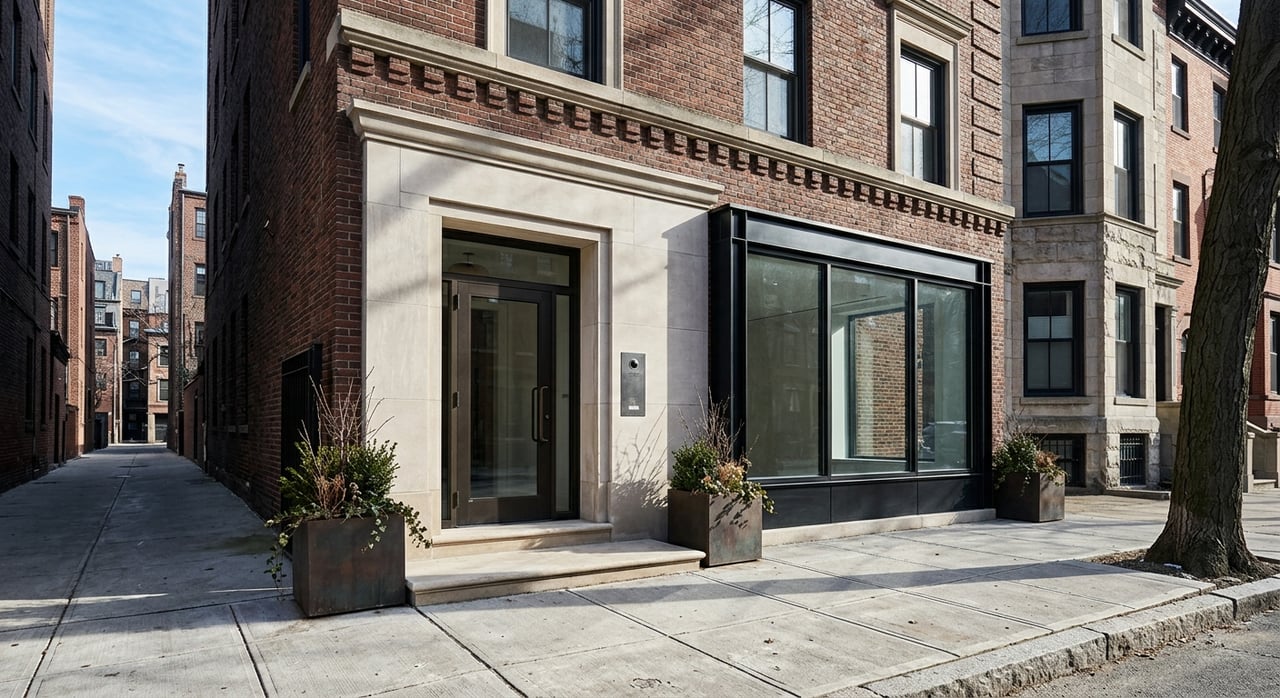
Condo Living In Washington Square West Explained
Thinking about buying a condo in Washington Square West? You are not alone. This part of Center City offers a mix of historic charm, dense city living, and a wide range of condo options, which can make the decision feel exciting and a little overwhelming at the same time. If you want to understand how condo living works here, what monthly fees really mean, and how a condo compares with a nearby rowhome, this guide will help you sort through the details with more confidence. Let’s dive in.
Washington Square West is a historic Center City neighborhood with a dense, urban layout. It includes Midtown Village and the Gayborhood, and the 2024 historic district nomination describes the area as roughly bounded by 8th, Watts, Walnut, and Rodman streets.
The housing mix helps explain why condo living here can look very different from one building to the next. Much of the neighborhood is made up of two- to four-story rowhouses, while taller commercial, office, apartment, and condo buildings are more common near the northern and western edges.
If walkability matters to you, this neighborhood stands out. Redfin currently gives Washington Square West a Walk Score of 99, which reflects how easy it is to handle daily life on foot.
The local condo market is active, but it is still relatively compact. Redfin currently shows 43 condos for sale in Washington Square West with a median listing price of $335,000.
Realtor.com reports a median listing price of $399,000 and median days on market of 72. Those numbers do not perfectly match because different platforms may define neighborhood boundaries differently, so it is best to treat them as current snapshots instead of fixed benchmarks.
For you as a buyer, that means price expectations should stay flexible. A condo near Washington Square, a smaller rowhouse conversion, and a full-service building can all fall under the same neighborhood label while offering very different ownership costs and lifestyles.
When you buy a condo in Washington Square West, you are buying more than the unit itself. You are also becoming part of a condominium association that manages shared parts of the property, often called common elements.
Under Pennsylvania’s Uniform Condominium Act, the association can manage common elements, make contracts, and regulate the use, maintenance, repair, replacement, and modification of those shared areas. In plain terms, the association plays a major role in how the building is run and maintained.
That matters because your monthly condo fee is not just a convenience charge. Once assessments are being levied, they must be based on a budget adopted at least annually, and that budget must disclose reserve amounts, reserve provisions for capital expenditures, and projected monthly common expense assessments.
So if you are trying to understand whether a fee feels high, the better question is often this: What is the fee paying for? In many buildings, it supports both day-to-day operations and long-term repair planning.
One of the biggest surprises for buyers is how much condo fees can vary in Washington Square West. Recent listing examples show monthly HOA fees around $175, $344, $424, $590, $990, and $1,602.
That range is wide enough to affect your monthly budget in a major way. Two condos with similar square footage or bedroom counts can have very different total ownership costs depending on the building’s systems, staffing, amenities, insurance, utilities, and reserve funding.
In some buildings, the fee may cover only basic shared maintenance. In others, it may include utilities, parking, concierge service, fitness access, pool access, elevator service, trash, or a more robust capital plan.
The answer usually comes down to building type and service level. A small converted building may have lower overhead and fewer shared amenities, while a larger building with elevators, garage parking, staffed entry, and shared mechanical systems may have much higher operating costs.
Age can also play a role. Older buildings may require more ongoing maintenance or long-term planning for repairs and replacement, while newer or heavily renovated buildings may still carry higher fees because of amenity packages and building systems.
That is why it is smart to compare monthly payment plus fee, not just purchase price. A condo that looks less expensive on paper may not feel that way once the full monthly cost is clear.
Washington Square West does not offer one standard condo style. That is part of the appeal, but it also means you should expect meaningful differences from building to building.
Some condos are in smaller garden-style or courtyard communities. One recent Washington Mews listing described a gated condo-townhouse with a private brick patio entrance, mature community gardens, and a $344 monthly HOA fee.
Other options include converted brownstone or rowhouse condos. Recent examples include homes with private decks, bike storage, pet-friendly rules, and more modest monthly fees.
At the higher-service end, you will also find larger buildings and towers near Washington Square and Locust. Recent listings there have advertised features like 24-hour concierge service, underground valet parking, fitness centers, high-speed elevators, rooftop pools, garage parking, and in some cases coverage for all utilities.
Small-building condos can appeal to buyers who want a more intimate ownership experience. You may get features like a private outdoor space, lower fees, or the character of a converted rowhouse.
At the same time, fewer units can mean fewer owners sharing the cost of repairs. If a major project comes up, that can matter.
Full-service condos can make day-to-day living simpler. Services such as concierge support, elevators, package handling, parking access, and amenity spaces can be a real lifestyle benefit.
The tradeoff is usually cost. Higher service levels often mean higher fees, so you will want to look closely at what is included and whether it matches how you actually live.
This is an especially important point in Washington Square West. The Philadelphia Historical Commission says owners of designated properties need approval before work that requires a building permit or changes the exterior of the building or site features.
For a condo in a designated building or historic district, that may affect work involving windows, masonry, railings, roofs, exterior mechanicals, and other visible exterior elements. Even if you own your unit, your ability to make certain exterior changes may be limited by historic review requirements.
That does not mean historic properties are a problem. It simply means you should understand the rules before you buy, especially if you are already thinking about exterior upgrades or replacement work.
Pennsylvania requires sellers of resale condos to provide a detailed document package. This includes the declaration, bylaws, rules and regulations, and a certificate with information such as the monthly common expense assessment, unpaid common or special assessments, other owner fees, proposed capital expenditures for the current and next two fiscal years, reserve amounts, the current operating budget, insurance coverage, and certain legal or property-condition issues.
This paperwork matters because it helps you see what you are really buying into. It can reveal whether a building is financially steady, whether major projects are coming, and whether the monthly fee reflects basic operations, larger reserve planning, or both.
In Washington Square West, where one condo fee may cover very little and another may cover a long list of services and utilities, that detail is especially important. The resale package can help you compare buildings on more than just looks and price.
A lot of buyers in this neighborhood end up comparing a condo with a nearby rowhome. Both can be appealing, but the ownership experience is usually very different.
A condo often offers a simpler day-to-day routine because the association handles common elements. That can mean less direct responsibility for shared maintenance, but it also means you will pay recurring assessments and follow building rules.
A rowhome usually gives you more control. But with that control comes more direct responsibility for the roof, façade, windows, systems, and exterior upkeep.
If the rowhome is in a designated historic area, exterior changes may still require Historical Commission approval. So while a rowhome can feel more autonomous, it does not always mean total freedom.
In simple terms, condo ownership usually trades some autonomy for more shared services and lower personal maintenance responsibility. Rowhome ownership usually trades monthly fees for more direct upkeep and more hands-on decision-making.
Neither option is automatically better. The right fit depends on how you want to spend your time, how predictable you want your monthly costs to be, and how comfortable you are managing repairs yourself.
Before you commit to a condo in Washington Square West, it helps to slow down and ask practical questions that go beyond finishes and floor plans.
Here are some of the most useful ones:
These questions can save you from surprises later. They also help you compare properties on a more realistic, apples-to-apples basis.
If you are serious about condo living here, focus on the full ownership picture. Price, fee, building condition, services, rules, and future capital needs all matter.
It also helps to think about your actual routine. If you want lock-and-leave convenience, a full-service building may be worth the higher fee. If you prefer lower monthly costs and more character, a smaller building or rowhouse conversion may fit better.
Most of all, remember that condo living in Washington Square West is highly building-specific. A careful review of the budget, reserves, rules, and resale documents can tell you as much as the listing photos.
If you want help comparing condo options in Washington Square West or weighing a condo against a nearby rowhome, Tom Englett offers a consultative, neighborhood-focused approach that helps you make sense of the details and move forward with confidence.
Philadelphia Real Estate
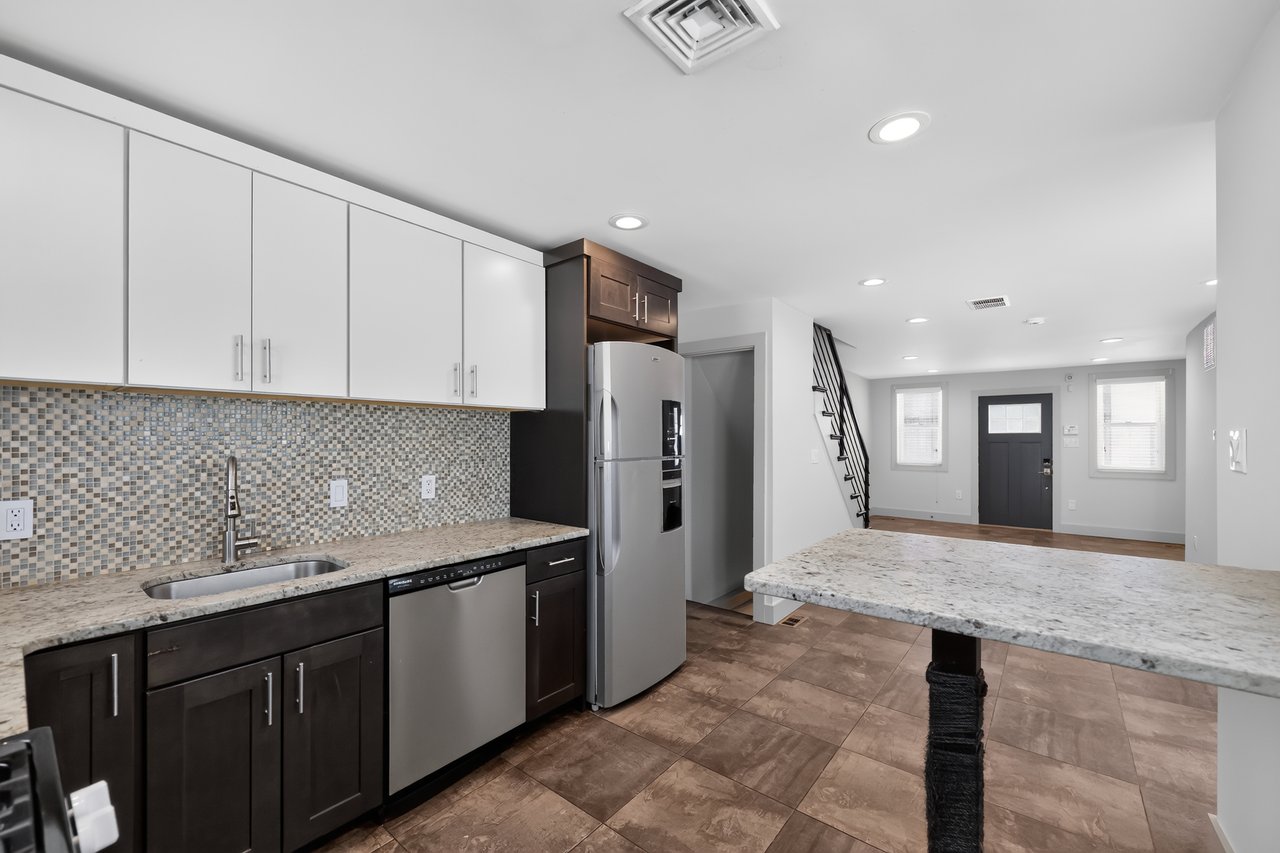
A renovated West Passyunk rowhome with two ensuite suites, three full baths, and a lender program that drops your cash to close to $5,866.

Home Owner Blueprint
New 2027 assessments just hit mailboxes across Philadelphia, and most homeowners are seeing higher numbers. Here's what changed, why City Council is asking questions, … Read more
Real Estate
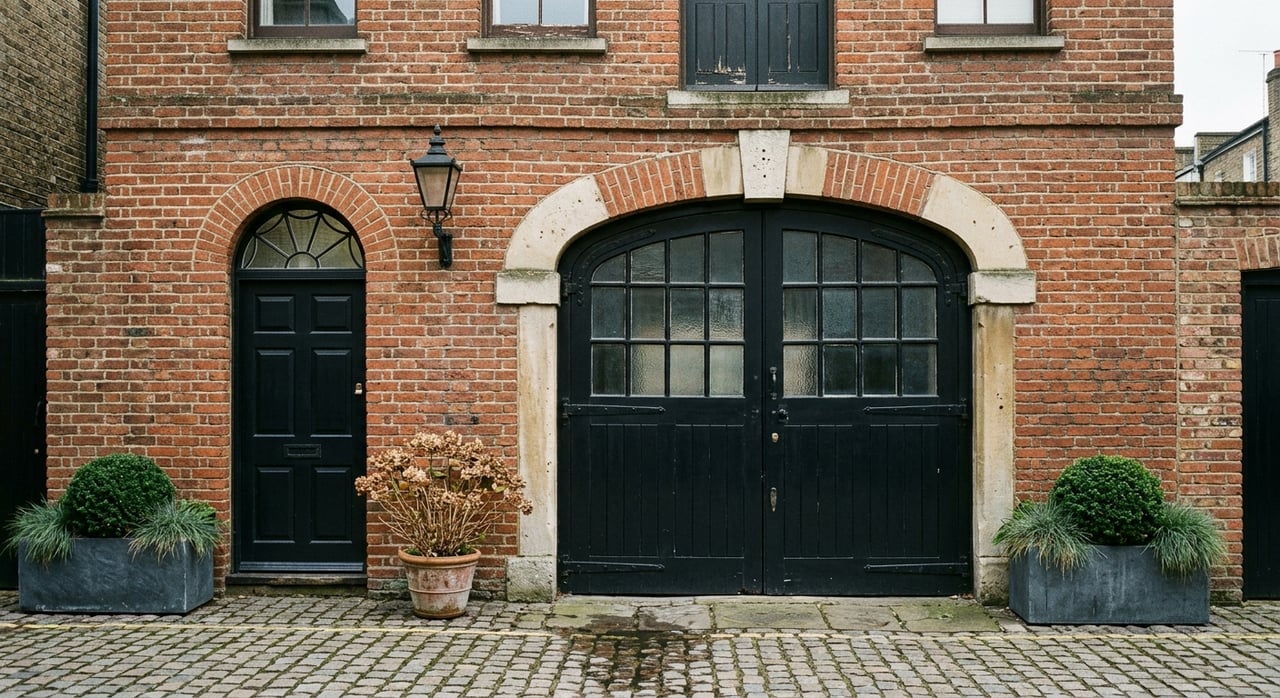
A fully leased Cedar Park triplex with a 7% cap rate, built for investors and 1031 exchange buyers ready to close fast.
Newbold Neighborhood Events
From cozy BYOBs to craft beer havens, Newbold's dining scene is having a moment, and Restaurant Week is the perfect excuse to explore it.
Tom builds lasting relationships — not just real estate deals. Experience a client-first approach designed around your goals, timeline, and peace of mind. Schedule a call and see how Tom can help you move forward.

Tom Englett | Compass RE
1430 Walnut Street, 3rd Floor Philadelphia, PA 19102