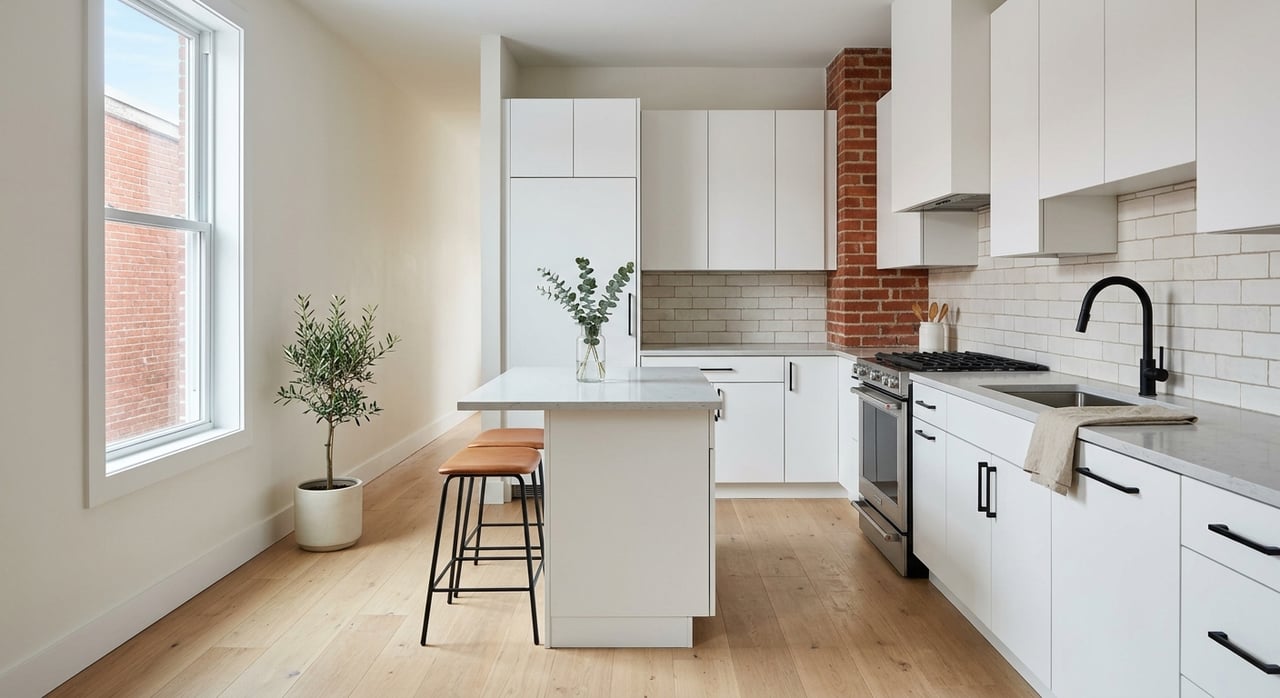
What to Expect in the Society Hill Home Selling Process
If you are getting ready to sell in Society Hill, you are not just putting a home on the market. You are presenting a property in one of Philadelphia’s most recognized historic settings, where architecture, block appeal, and buyer expectations all play a major role. When you know what to expect before you list, you can make smarter decisions about pricing, preparation, marketing, and closing. Let’s dive in.
Society Hill sits between Old City and the South Street Headhouse District, generally stretching from Walnut Street to Lombard Street and from 8th Street to the Delaware River. According to Visit Philadelphia’s Society Hill neighborhood overview, the area is known for its walkability, proximity to major historic landmarks, and distinctive collection of Federal and Georgian rowhouses, brick sidewalks, gardens, and later high-rises.
That matters when you list your home. In Society Hill, buyers are often evaluating more than square footage and finishes. They are also responding to the street, the architecture, the historic character, and how your home fits into that setting.
Even in a highly desirable neighborhood, pricing and presentation still matter. Recent market snapshots show an active market, but the numbers can vary depending on the source and methodology. Zillow’s Society Hill home value data placed the average home value at $506,233, with homes going pending in around 36 days as of March 31, 2026.
The big takeaway is simple. You should expect buyers to compare your home carefully against current alternatives and recent sales, especially when historic charm, updates, outdoor space, and layout vary widely from one property to the next. A strong listing plan starts with realistic pricing supported by neighborhood context and property-specific features.
Before you make repair promises or start exterior upgrades, it is worth confirming whether your property is on the Philadelphia Register of Historic Places. The City notes that if a property is listed, Historical Commission approval may be required for certain exterior work as part of the building permit process, including items involving facades, roofs, and other visible features. The City also provides historic district manuals for property owners that can help clarify expectations.
This can shape your listing timeline. If you are planning exterior touch-ups, window-related work, masonry improvements, or other visible changes, you want to verify what is allowed before those items are discussed in marketing or negotiated with a buyer.
It is also smart to confirm the legal property address used in city records. The City explains that the historic register relies on official OPA addresses, which may differ from mailing addresses, so checking the City’s historic property and district records can help avoid confusion when reviewing status or pulling documents.
A Society Hill listing often benefits from more front-end preparation than a typical sale. Older homes can have unique maintenance histories, layered updates, and systems that buyers will scrutinize closely. Getting organized early can reduce stress later.
The National Association of REALTORS® notes in its consumer guide to preparing to sell your home that a pre-sale inspection is optional, but it can help uncover issues with roofing, plumbing, electrical systems, HVAC, and other components before a buyer does. That does not mean every seller needs one, but you should expect a thoughtful discussion about whether it makes sense for your property.
You should also plan to gather:
In a neighborhood where buyers may care deeply about both condition and character, preparation can support smoother negotiations.
Society Hill buyers are often drawn to details that do not show up neatly in a spreadsheet. Original millwork, fireplaces, brick walls, tall windows, garden access, and the balance between historic fabric and modern functionality can all influence interest. That is why presentation plays such an important role.
NAR’s seller guidance recommends cleaning, decluttering, and improving curb appeal because exterior appearance and entry photos can strongly affect buyer interest. In Society Hill, that advice carries extra weight because the home’s exterior and streetscape are often part of the emotional appeal from the very first image.
Staging is not required, but it can help buyers picture how the home lives today. In NAR’s 2025 staging report, cited in the same seller preparation guide, 83% of buyers’ agents said staging made it easier for a buyer to visualize the property as a future home.
For many Society Hill listings, the most effective presentation strategy highlights:
When your home goes live, the marketing should do more than describe bedrooms and baths. It should explain what makes the property compelling within the context of Society Hill. Buyers want to understand how the home feels, how it lives, and what makes it stand out in this particular neighborhood.
That means professional photography, polished digital presentation, and clear positioning all matter. In a compact, well-known neighborhood with a distinct identity, generic marketing can cause a strong home to blend in instead of stand out.
Pennsylvania sellers have clear disclosure responsibilities. Under Pennsylvania’s Real Estate Seller Disclosure Law, you must disclose known material defects in a signed and dated property disclosure statement before the agreement of transfer is signed.
You are not required to investigate every possible issue. But you cannot knowingly provide false or misleading information or leave out a known material defect. For many Society Hill homeowners, this is another reason why early document gathering and a careful review of the property’s condition can be so valuable.
Once buyers begin to engage, you should expect negotiations to include more than the purchase price alone. Inspection items, timing, transfer tax allocations, inclusions, and repair requests can all shape the final terms of the deal.
This is especially true in older housing stock, where condition questions can carry more weight. A calm, organized process helps you evaluate what is reasonable, what needs clarification, and what supports your larger goals for timing and net proceeds.
One of the most important seller costs in Philadelphia is the realty transfer tax. According to the City of Philadelphia’s realty transfer tax guidance, the combined rate is currently 4.578%, made up of 3.578% for the city and 1% for the Commonwealth.
The tax is usually split evenly between buyer and seller, but that split is not legally required. Because the City can collect the full amount from either party, this item should be addressed clearly in the agreement and reflected early in your net proceeds estimate.
Here is a simple view of what sellers often need to plan for:
| Item | What to expect |
|---|---|
| Pricing strategy | Based on current market activity, comparable homes, and property-specific strengths |
| Pre-list prep | Cleaning, decluttering, repairs, possible inspection, and document gathering |
| Historic review | Confirmation of historic status and whether planned exterior work needs review |
| Marketing launch | Photography, listing copy, and digital presentation tailored to the property |
| Disclosures | Completion of required Pennsylvania seller disclosure documents |
| Negotiation | Price, inspections, timing, tax split, and other deal terms |
| Closing costs | Transfer tax and other settlement-related costs affecting net proceeds |
Selling here often involves more moving parts than owners first expect. You may need to think through pricing, prep decisions, historic-district questions, disclosure timing, and closing logistics all at once. That is exactly why a concierge-style process can be so useful.
The National Association of REALTORS® explains that REALTORS® can advise on comparable properties, staging, forms, disclosures, negotiation strategy, and closing details in its overview of working with sellers. In Society Hill, that type of guidance can help you move through the process with more clarity and fewer surprises.
If you are thinking about listing a Society Hill home, the best first step is a focused plan built around your property, timing, and goals. Tom Englett offers a calm, consultative approach with concierge-level support to help you prepare, market, and sell with confidence.
Philadelphia Real Estate
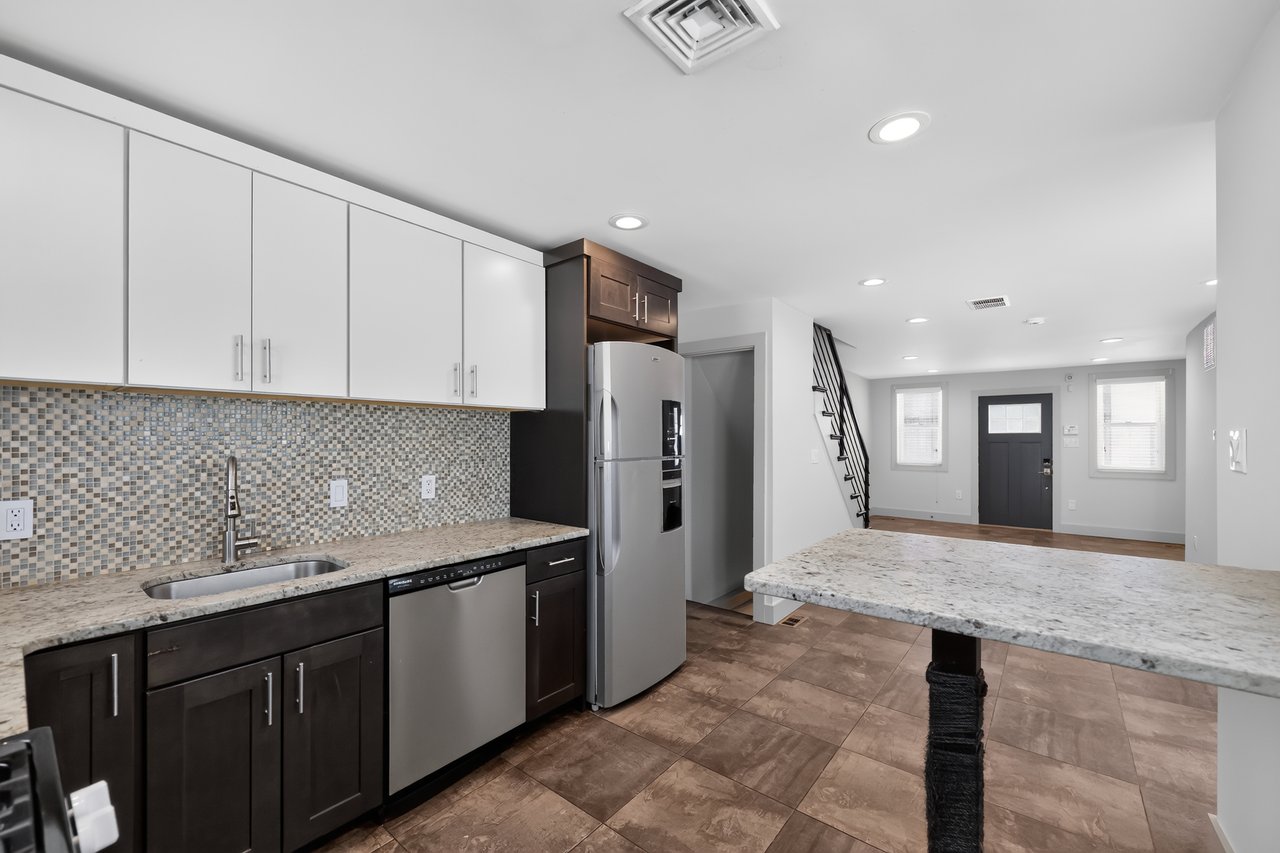
A renovated West Passyunk rowhome with two ensuite suites, three full baths, and a lender program that drops your cash to close to $5,866.


Home Owner Blueprint
New 2027 assessments just hit mailboxes across Philadelphia, and most homeowners are seeing higher numbers. Here's what changed, why City Council is asking questions, … Read more
Real Estate
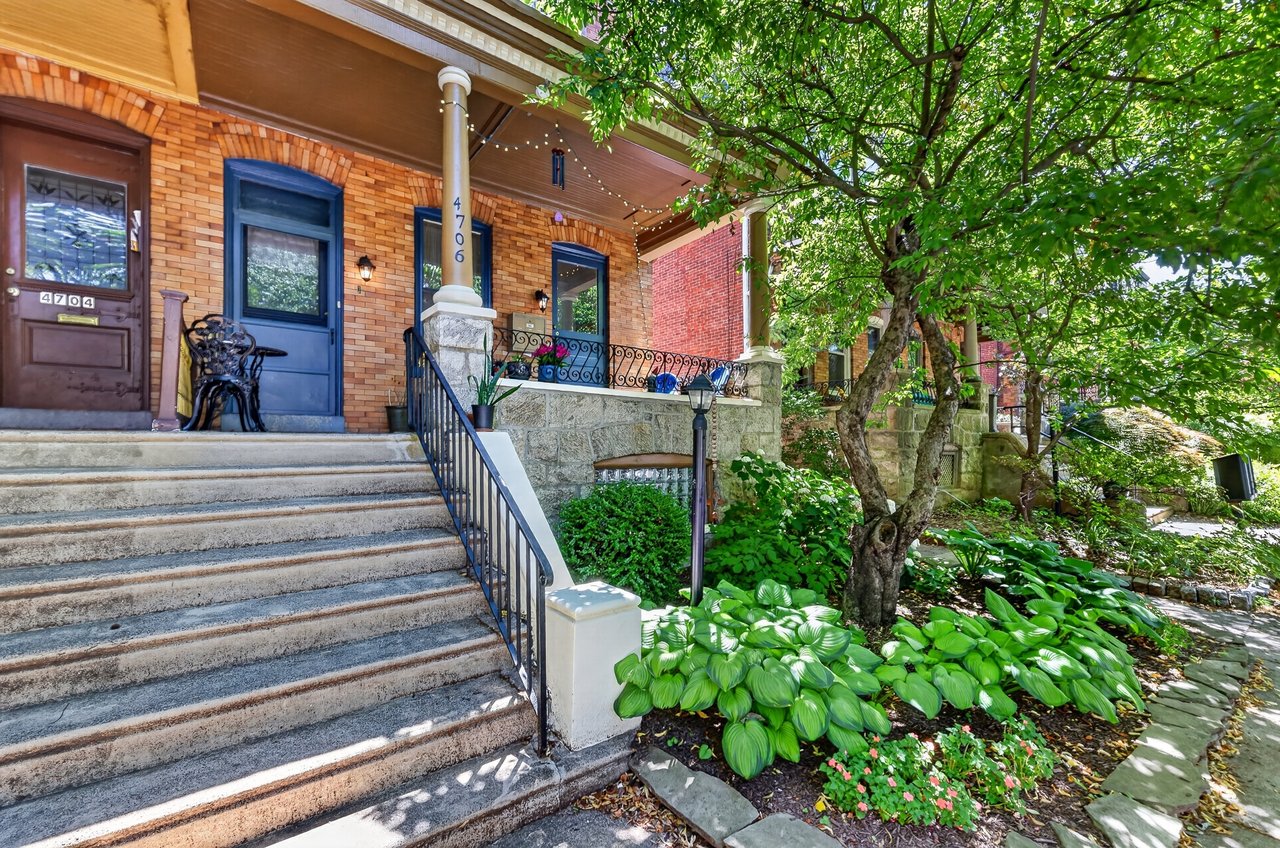
A fully leased Cedar Park triplex with a 7% cap rate, built for investors and 1031 exchange buyers ready to close fast.
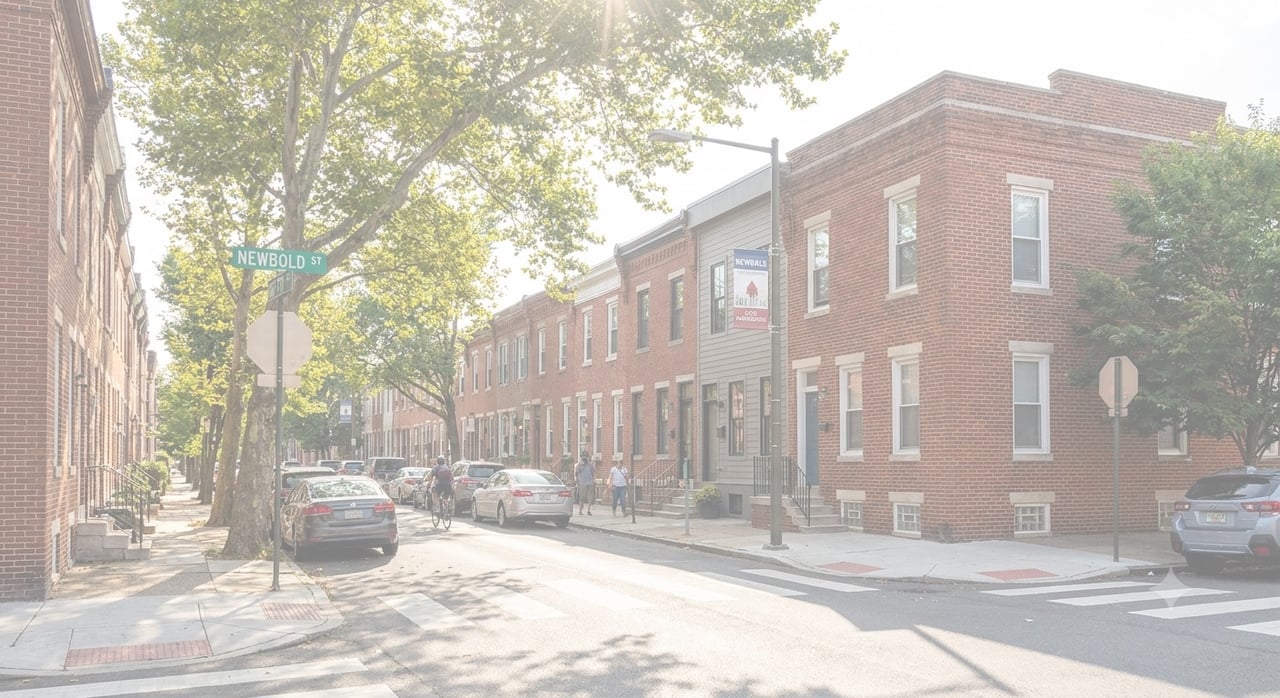
Newbold Neighborhood Events
From cozy BYOBs to craft beer havens, Newbold's dining scene is having a moment, and Restaurant Week is the perfect excuse to explore it.
Tom builds lasting relationships — not just real estate deals. Experience a client-first approach designed around your goals, timeline, and peace of mind. Schedule a call and see how Tom can help you move forward.

Tom Englett | Compass RE
1430 Walnut Street, 3rd Floor Philadelphia, PA 19102