Center City vs South Jersey: How to Choose Your Move
Thinking about a move across the Delaware River? It can look simple on paper, but relocating to Center City or South Jersey often comes down to how you want daily life to feel, not just what a home costs. If you are weighing Washington Square West against towns like Collingswood, Haddonfield, or Cherry Hill, the smartest move is to compare commute, housing style, monthly costs, and closing logistics before you decide. Let’s dive in.
If you are considering Center City, Washington Square West is a strong baseline for what urban living looks like in Philadelphia. Visit Philadelphia describes Washington Square West as a neighborhood anchored by Washington Square Park, with restaurants, shopping corridors, and a village-like atmosphere in the heart of the city. That often appeals to buyers who want short trips and easy access to everyday essentials.
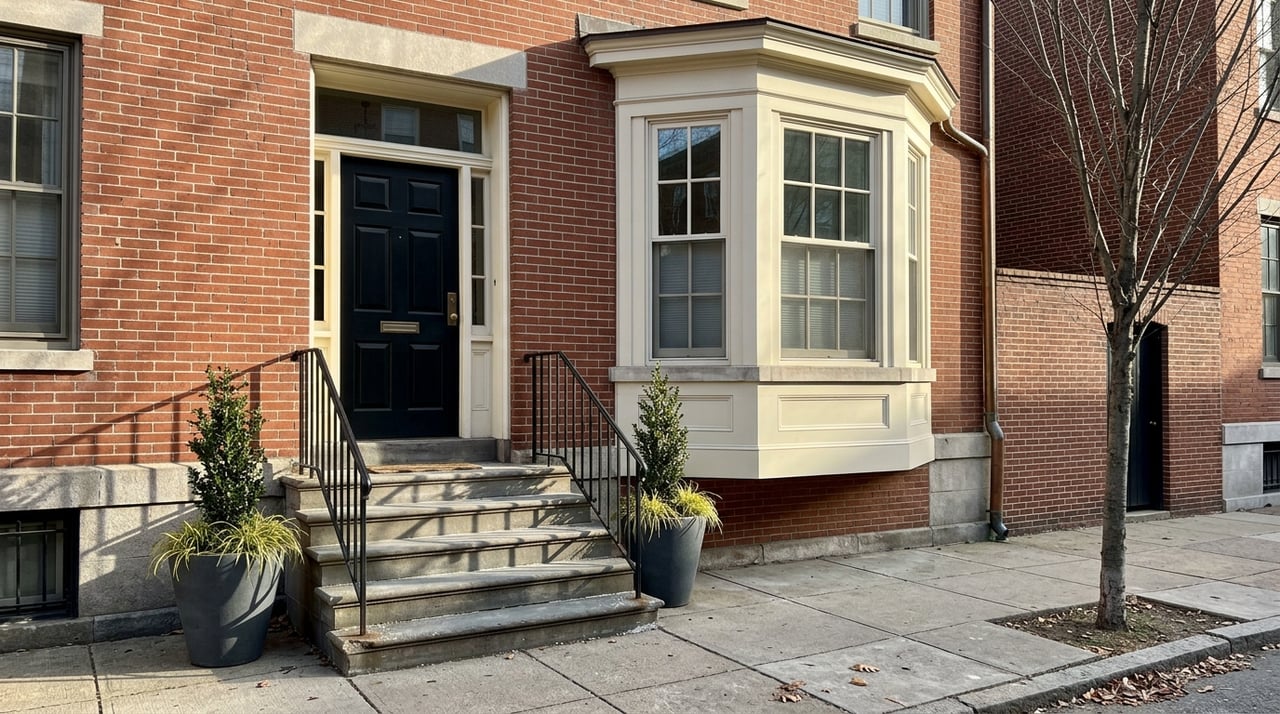
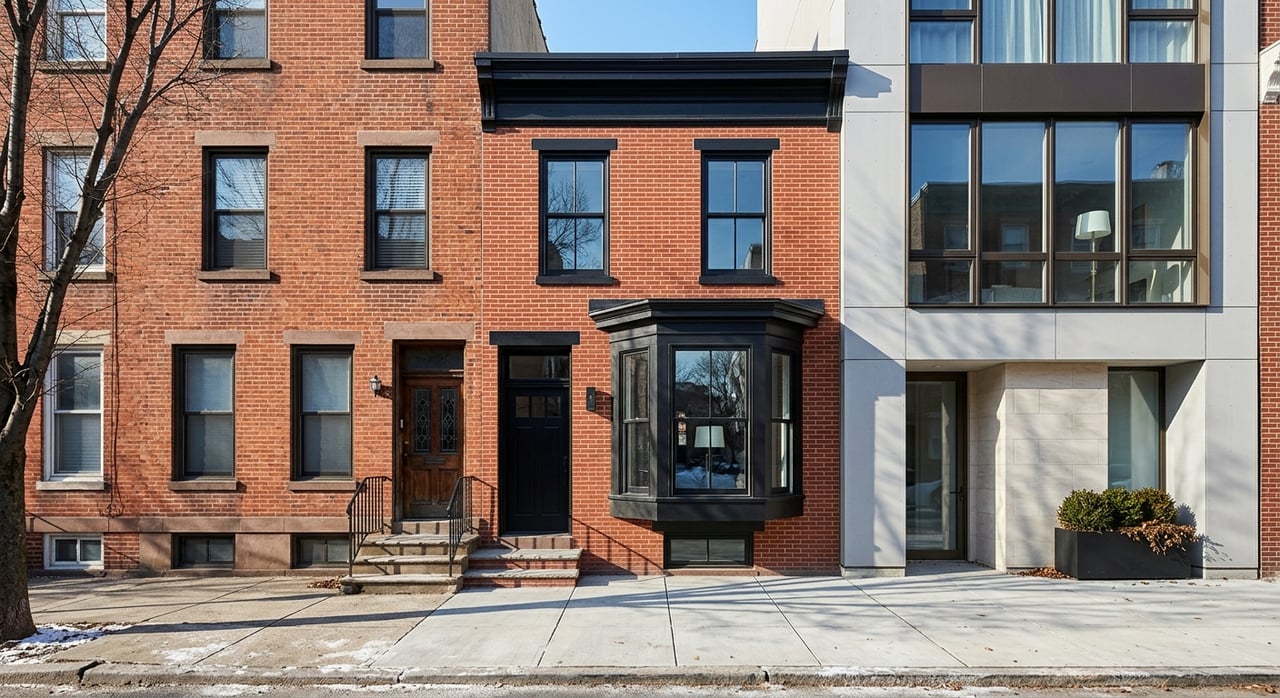
The housing feel is also different here. Washington Square West is known for historic character, including older townhouses and a dense street grid that gives the area its walkable, city-centered rhythm. If you want a neighborhood where daily errands, dining, and transit can be part of the same routine, this part of Center City offers that kind of setup.
South Jersey is not one thing, though. It is more helpful to think in terms of walkable boroughs versus a more suburban township experience.
For buyers coming from Center City, Collingswood and Haddonfield are often the most natural comparisons. Both offer active downtown areas and PATCO access, which can make the transition feel less like a complete lifestyle reset. According to local materials, Collingswood is built around a walkable downtown with restaurants, arts, culture, and transit access, while Haddonfield presents a preserved downtown district with boutiques, dining, and historic buildings along cobblestone streets.
Cherry Hill offers a different pace. Township information emphasizes parks, trails, Croft Farm, Barclay Farmstead, and other public recreational amenities, which points to a more suburban pattern of daily life. If you are looking for a setting where driving and parking play a bigger role than walking corner to corner, Cherry Hill may align more closely with that preference.
A useful way to frame the choice is this:
None of these is universally better. The right fit depends on how you want your mornings, evenings, and weekends to work.
For many people, commute patterns are the clearest day-to-day difference. On the Philadelphia side, Washington Square West sits in Center City with access to Jefferson Station, the Market-Frankford Line, and city bus routes, according to Visit Philadelphia’s neighborhood overview. That gives you more than one transit option for getting around the city and beyond.
On the South Jersey side, PATCO is the defining connector for many cross-river moves. The current PATCO timetable shows direct service between Philadelphia stations at 15/16th & Locust, 12/13th & Locust, 9/10th & Locust, and 8th & Market and South Jersey stops including Collingswood, Westmont, Haddonfield, and Woodcrest in Cherry Hill Township.
The same timetable lists one-way fares of $2.60 from Collingswood, Westmont, and Haddonfield to Philadelphia, and $3.00 from Woodcrest, Ashland, and Lindenwold. If you expect to commute frequently, those recurring transportation costs and station locations should be part of your decision.
Before you choose a side of the river, ask yourself:
These questions often reveal more than a listing sheet can.
One of the biggest mistakes buyers make is focusing too much on purchase price and not enough on the full monthly picture. Property taxes can shift the math in a major way.
In Philadelphia, the real estate tax rate is 1.3998% of assessed value. For owner-occupants, the city says the Homestead Exemption reduces the taxable portion of a primary residence by $100,000, with typical savings of up to $1,399 per year starting in 2025.
In New Jersey, property taxes can be significantly higher depending on the town. The state’s 2024 average residential tax report shows average annual residential taxes of $9,379 in Cherry Hill, $9,054 in Collingswood, $17,141 in Haddonfield, $11,313 in Voorhees, and $7,468 across Camden County overall.
That does not mean South Jersey is the wrong choice. It does mean that if you are moving for more space or a different neighborhood pattern, you should compare the total carrying cost, not just the home price.
When you are weighing Center City against South Jersey, compare:
A city condo or townhouse may come with a different cost structure than a single-family suburban home. The details matter more than the headline number.
Cross-border moves also come with transaction differences that can change your budget. If you are buying or selling in Philadelphia, transfer taxes can be a major line item.
According to the city, Philadelphia’s realty transfer tax rate is 4.578% total, which includes the city and commonwealth portions. The city also notes that the tax is due when the deed is recorded and that the deed will not be recorded until the tax is paid.
For a quick example, a $500,000 Philadelphia sale would generate about $22,890 in transfer tax alone. That is a large enough number that it should be part of your planning from the start.
New Jersey works differently. The state’s home buying and selling guide says sellers pay a 1% Realty Transfer Fee on home sales, while buyers pay an additional 1% only on home sales of $1 million or more. Using that same $500,000 example, a New Jersey sale would trigger a $5,000 seller transfer fee under the state guide.
If you are selling a New Jersey property while leaving the state, there is another issue to flag early. New Jersey says sellers who are moving out of state are treated as nonresidents for the sale and may need to pay estimated Gross Income Tax at closing, generally 2% of the consideration or 8.97% of the net gain, unless an exemption applies.
That is why early coordination matters. A cross-border move is not just a home search or a listing launch. It is also a planning exercise.
If taxes are part of your concern, it is worth knowing that New Jersey offers homeowner relief programs. The state guide references the Homestead Benefit, Senior Freeze, and local property tax deduction or credit programs.
Still, eligibility depends on the homeowner and the filing year. These programs are best treated as part of a broader tax-planning discussion, not as guaranteed savings when you first compare locations.
If you are stuck between Center City and South Jersey, keep your comparison focused on four things:
Washington Square West can make sense if you value walkability, dense amenities, and several transit options within Center City. South Jersey may be the better fit if you want more space, easier parking, and direct PATCO access from certain towns.
The best answer usually has less to do with which side of the river sounds better in theory and more to do with what your real monthly budget, commute pattern, and closing costs look like on paper. If you are planning a move between Philadelphia and South Jersey, working with a team that understands both markets can help you compare options with much more clarity. When you are ready to talk through your move, Tom Englett can help you build a smart, side-by-side plan.
Home Owner Blueprint
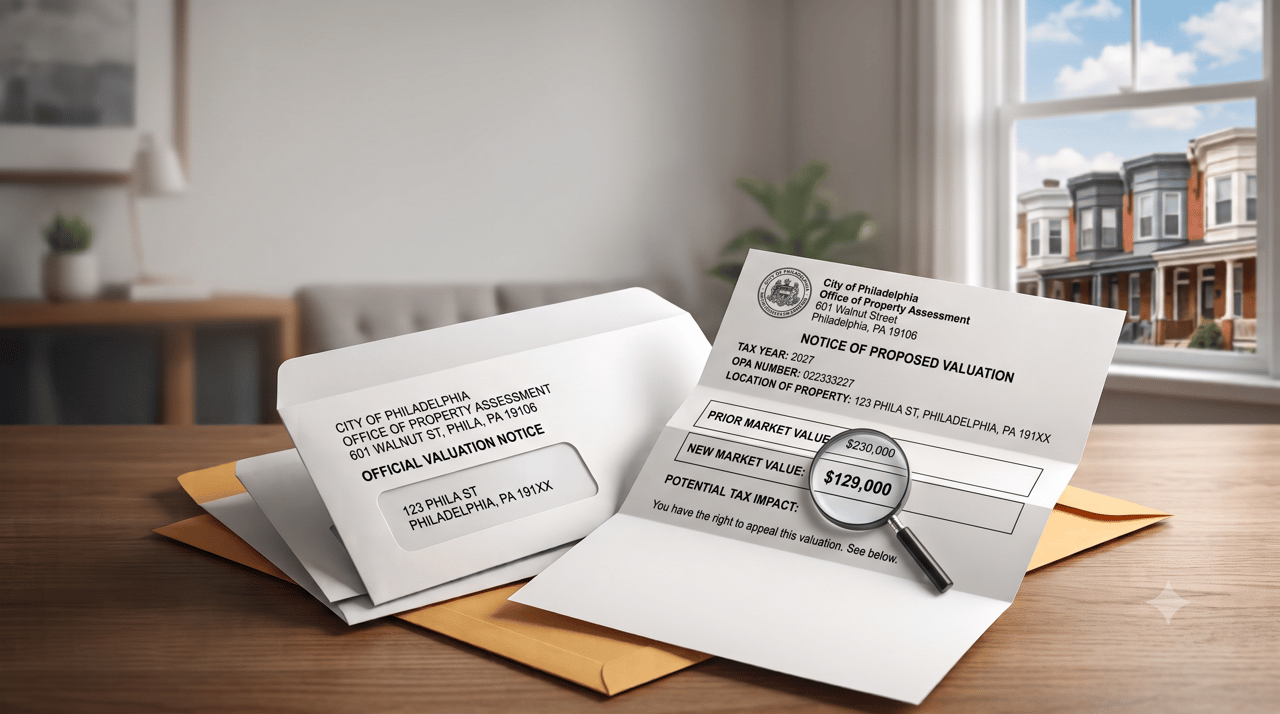
New 2027 assessments just hit mailboxes across Philadelphia, and most homeowners are seeing higher numbers. Here's what changed, why City Council is asking questions, … Read more
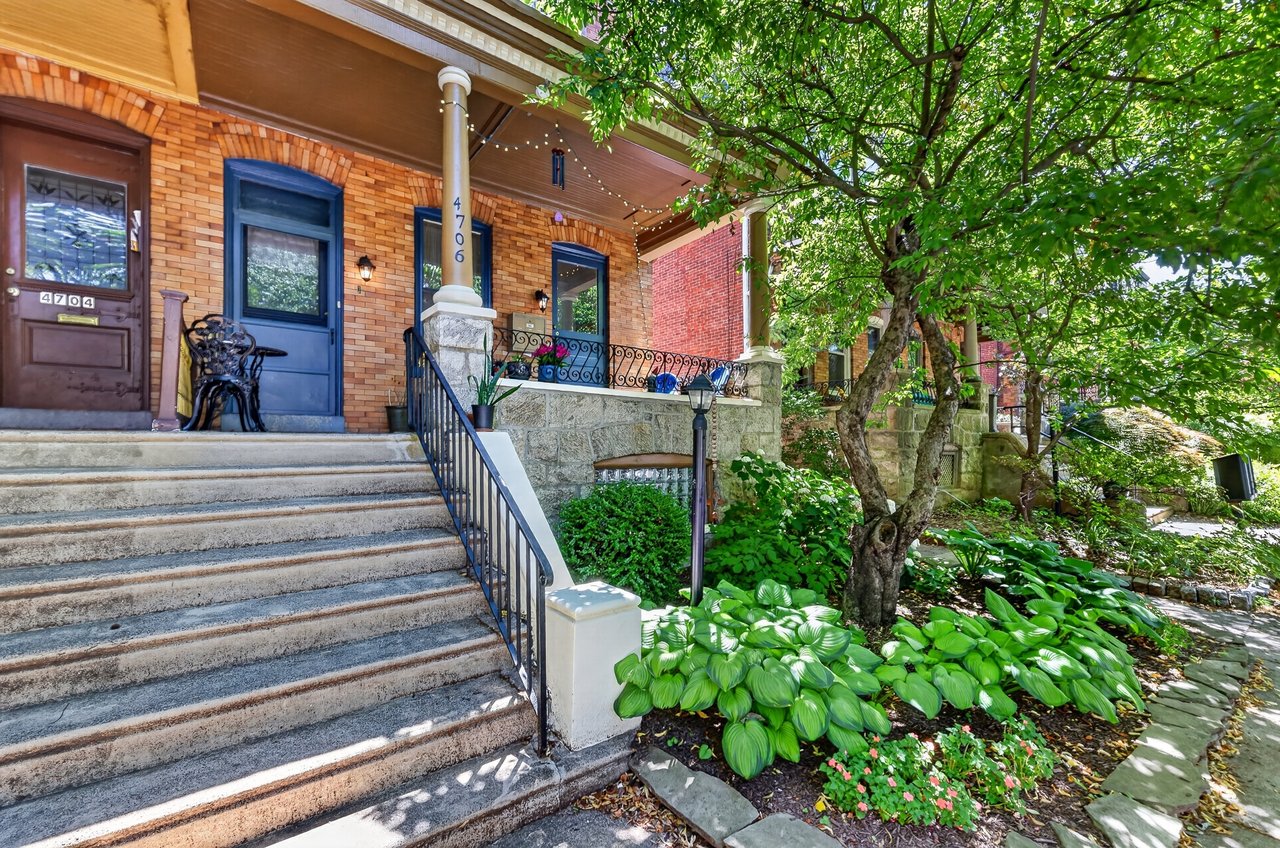
Real Estate
A fully leased Cedar Park triplex with a 7% cap rate, built for investors and 1031 exchange buyers ready to close fast.
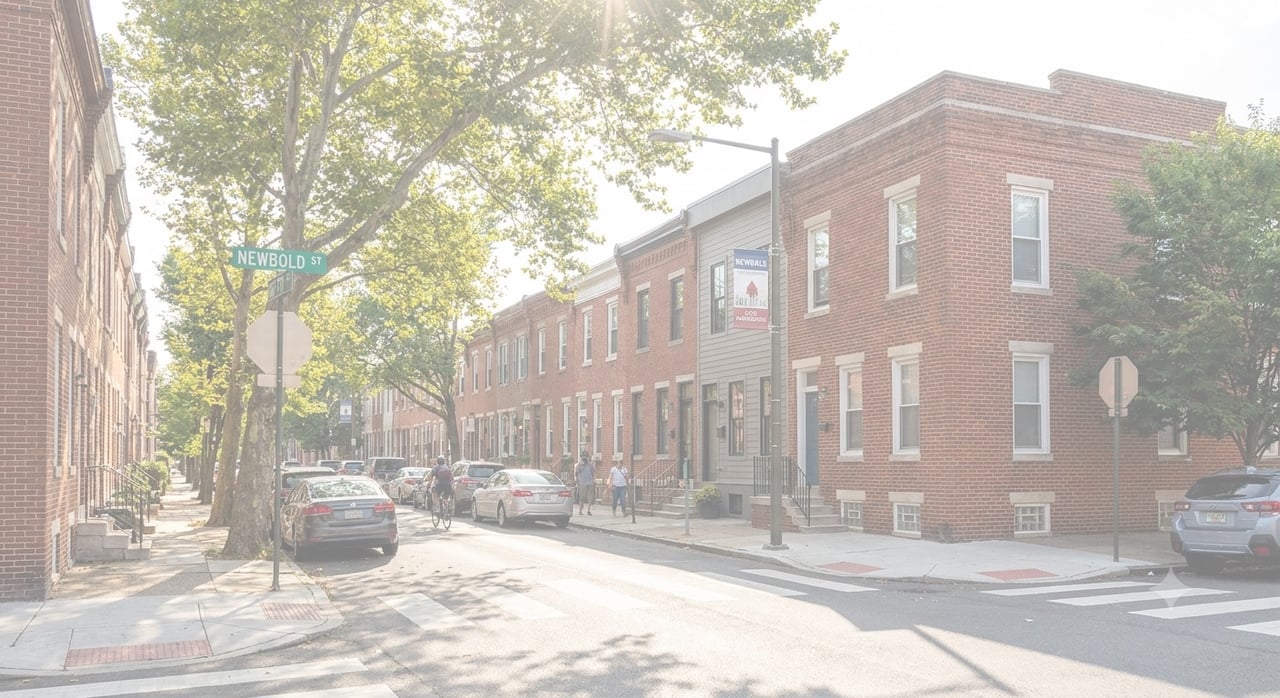
Newbold Neighborhood Events
From cozy BYOBs to craft beer havens, Newbold's dining scene is having a moment, and Restaurant Week is the perfect excuse to explore it.
Tom builds lasting relationships — not just real estate deals. Experience a client-first approach designed around your goals, timeline, and peace of mind. Schedule a call and see how Tom can help you move forward.
Tom Englett | Compass RE
1430 Walnut Street, 3rd Floor Philadelphia, PA 19102