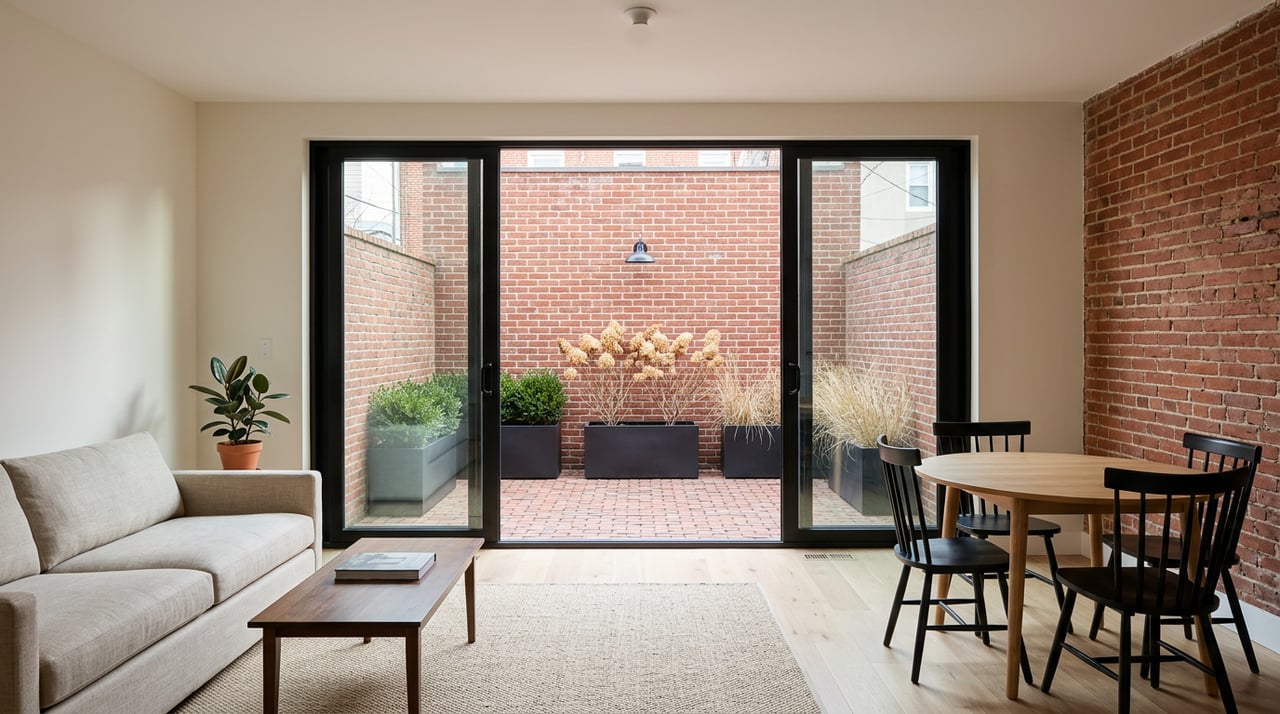
Steps for Selling Your Graduate Hospital Rowhome
Thinking about selling your Graduate Hospital rowhome but not sure where to start? You’re not alone. Rowhouses in Southwest Center City are unique, and the right prep can mean a faster sale and stronger offers. In this guide, you’ll learn exactly what to fix first, which updates deliver the most value, how to stage a narrow city layout, and what legal steps to check off before you list. Let’s dive in.
Graduate Hospital, also known as Southwest Center City or South of South, sits just south of Center City and is known for its walkability, dining, and parks. The South of South Neighborhood Association outlines the area and its community resources so you can frame your listing within local context. Explore the neighborhood boundaries and updates through the South of South Neighborhood Association.
Buyers here often value a move-in-ready feel, smart use of space, and usable outdoor areas like rear patios or roof decks. Highlighting proximity to Center City and local amenities helps reinforce your home’s appeal. For a neighborhood snapshot and highlights, review the Graduate Hospital overview from Visit Philadelphia.
Tackle health and safety, major systems, and any permit issues before you touch paint or décor. These are the items that can stall a sale if left unaddressed.
Address exposed wiring, missing or loose handrails, and non-functioning smoke and carbon monoxide alarms. These items will be flagged by buyers, inspectors, and lenders, and they are usually straightforward to correct.
If your HVAC, hot water heater, or electrical service is near the end of its life or unsafe, repair or replace before listing, or be ready to disclose and price accordingly. Sellers often net more by resolving a failing system than by leaving it for the buyer.
Philadelphia rowhomes often have flat roofs and parapets that need attention. Fix active roof leaks or visible water intrusion in the basement, and save receipts and warranties to show buyers. Documentation builds confidence during inspections.
If you’ve completed work that likely needed a permit, speak with your agent about legalizing it or disclosing and pricing accordingly. The City’s Department of Licenses and Inspections outlines when a permit is required and typical review times. Read more in the City of Philadelphia’s guide to building and repair permits.
Many local rowhomes date to the late 19th or early 20th century. Narrow footprints, flat roofs, and shared walls shape how you prep and present your home. For an overview of local rowhouse styles and features, see this Philadelphia rowhome styles guide.
Recurring inspection items in older Philly rows include parapet and roof membrane wear, aging cornices and flashing, masonry repointing, older plumbing and electrical, and limited insulation or older windows. For a deeper look at common maintenance topics, the City’s Philadelphia Rowhouse Manual summarizes frequent issues and best practices; browse it here: Philadelphia Rowhouse Manual.
If your home was built before 1978, prepare to deliver the required federal lead-based paint disclosures and the EPA pamphlet. Learn what must be provided and when in the EPA’s overview of the lead-based paint disclosure rule.
Once safety and systems are in good shape, focus on visible, cost-effective improvements that matter most in narrow city homes.
Fresh, neutral paint on the main level and bedrooms is one of the best returns you can get. Pair it with a full declutter and professional cleaning. Organized closets and clear surfaces make rooms feel larger and brighter.
Refinish hardwoods where possible and replace heavily worn carpet with neutral flooring. Continuous, clean flooring helps a narrow row feel more open. Remove bulky furniture and visual blocks so buyers can see a clear path from the living area through to the kitchen.
Right before a sale, targeted kitchen and bath updates usually outperform major remodels. Consider cabinet painting or refacing, modern hardware, a fresh counter or backsplash in dated spots, and improved lighting and plumbing fixtures. National benchmarks from Remodeling’s Cost vs. Value report consistently show midrange, minor projects tend to recoup a higher share of cost than upscale full remodels. Review project ROI patterns in the Cost vs. Value report.
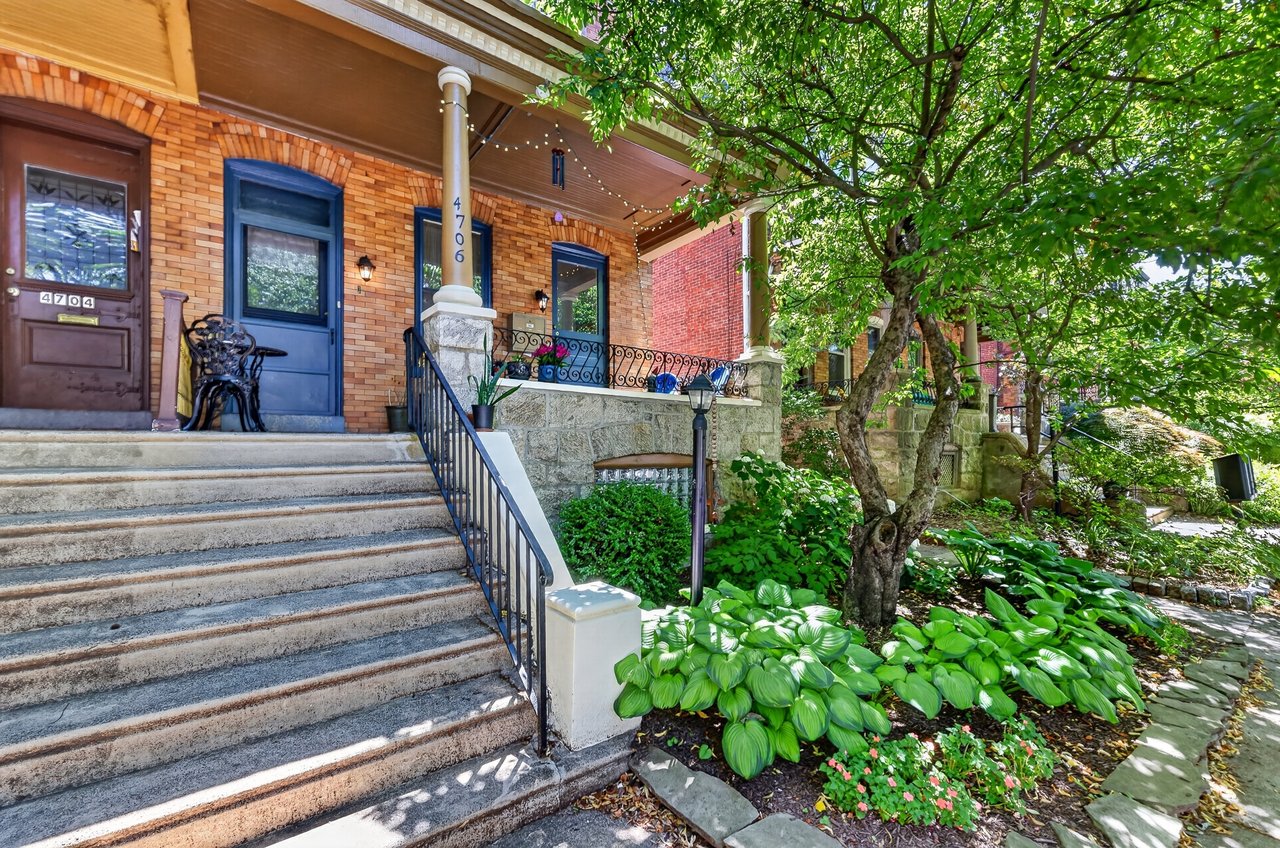
Your front stoop and façade set the tone. Power wash the steps, touch up railings, paint or replace the front door, and update house numbers and exterior lighting. Entry updates rank well for recoup and make a strong first impression, especially on tight urban streets where details stand out.
Full kitchen rebuilds, primary suite additions, and extensive structural changes rarely pay back right before listing unless nearby comps clearly support the value. Use recent local sales and Cost vs. Value benchmarks to decide where to invest. Start conservative and expand only if the data makes sense.
Staging helps buyers visualize how to live in a home, and it often reduces days on market. Buyer agents in national surveys report clear benefits, and you do not need to stage every room. Focus where it counts. See the National Association of REALTORS guidance on staging best practices and consider RESA’s industry benchmarks for budget planning through the Real Estate Staging Association.
A clean rear patio or a safe, legal roof deck is a major perk for urban buyers. Stage with compact seating, potted plants, and good lighting. Always verify safe access and any permit history before featuring a roof deck.
Book professional photography after staging is complete. Capture the façade and stoop, a living room shot that shows depth and flow, the kitchen, the primary bed and bath, the patio or roof deck, and a clear floor plan. Accurate floor plans and virtual tours help buyers understand the layout and can shorten time on market. The NAR staging page underscores how strong visual presentation influences buyer perception.
Here is a sample 4 to 8 week plan you can tailor to your home and schedule.
Preparing a Graduate Hospital rowhome is part art, part project management. You do not need to do everything, but you should do the right things in the right order. If you want a custom plan, vetted local vendors, and premium marketing that fits the neighborhood, schedule a consultation with Tom Englett. We will help you prioritize, coordinate, and list with a polished presentation that speaks to Southwest Center City buyers.
Home Owner Blueprint
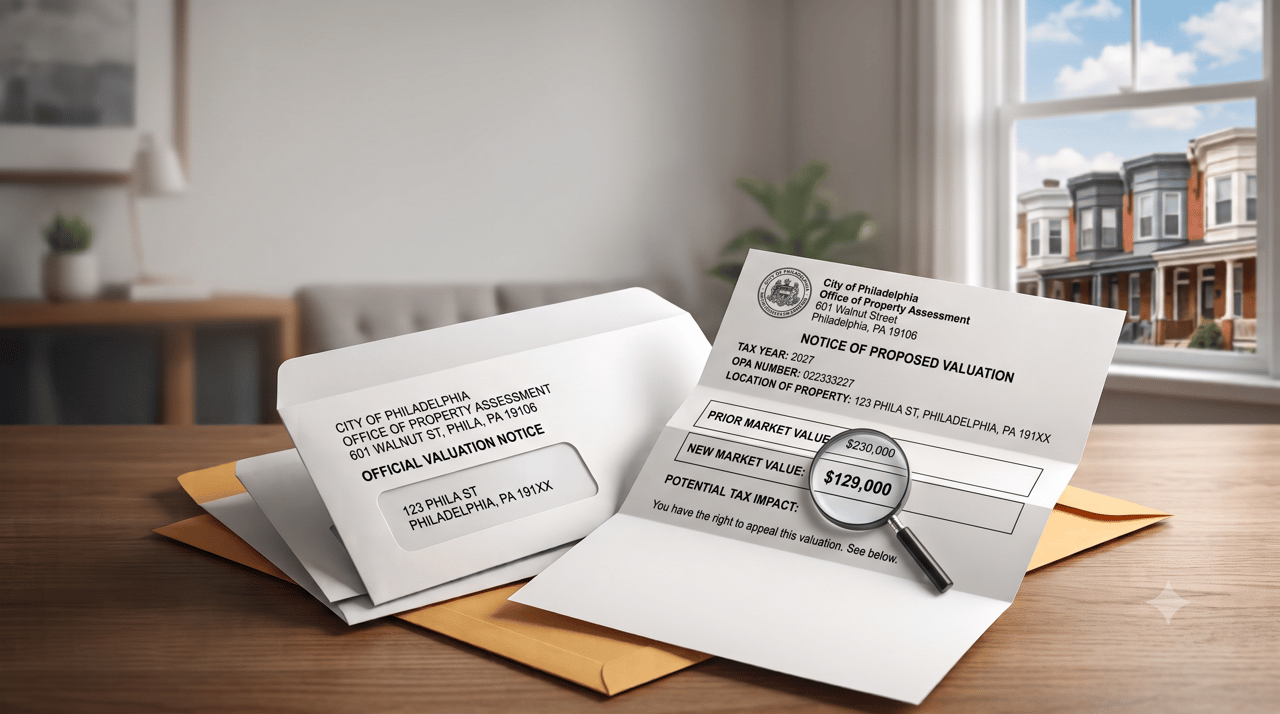
New 2027 assessments just hit mailboxes across Philadelphia, and most homeowners are seeing higher numbers. Here's what changed, why City Council is asking questions, … Read more
Real Estate
A fully leased Cedar Park triplex with a 7% cap rate, built for investors and 1031 exchange buyers ready to close fast.
Newbold Neighborhood Events
From cozy BYOBs to craft beer havens, Newbold's dining scene is having a moment, and Restaurant Week is the perfect excuse to explore it.
Tom builds lasting relationships — not just real estate deals. Experience a client-first approach designed around your goals, timeline, and peace of mind. Schedule a call and see how Tom can help you move forward.

Tom Englett | Compass RE
1430 Walnut Street, 3rd Floor Philadelphia, PA 19102