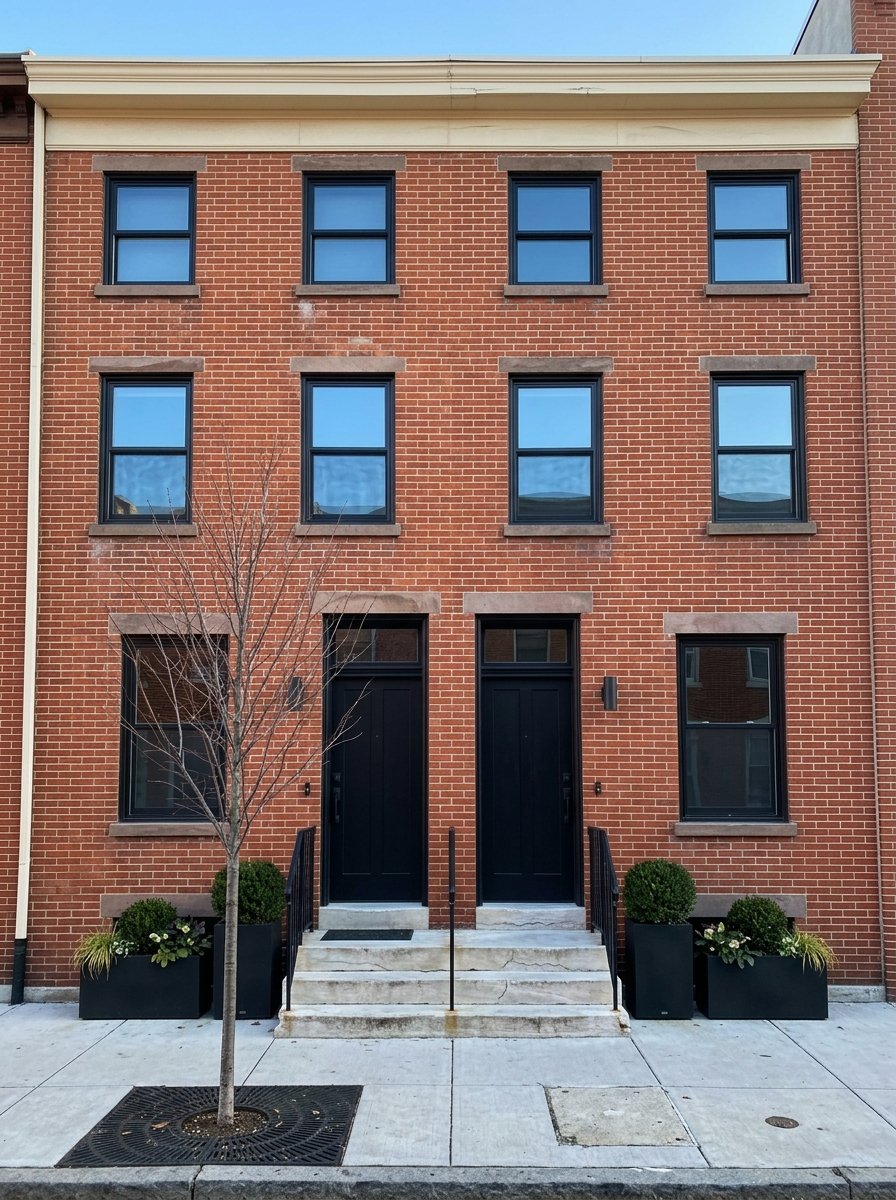
Point Breeze Small Multifamily Investing Done Right
If you are looking at small multifamily homes in Point Breeze, the opportunity can look straightforward at first glance. Demand for well-located rentals is real, but in this part of South Philadelphia, the numbers only work when the property’s legal use, unit count, and compliance path are clear. That is especially important in a neighborhood where housing dynamics have shifted over time and investor activity has remained part of the story. This guide will help you think through what matters most before you buy, underwrite, or reposition a duplex or triplex in Point Breeze. Let’s dive in.
Point Breeze has seen sustained investor interest over time, alongside changing affordability and housing inventory. In a 2024 Pew analysis of Philadelphia home sales, Point Breeze was identified as one of the neighborhoods near Center City where the share of entry-level homes sold declined from 2000 to 2021, and the study also noted increased investment in the area during that period.
For you as an investor, that matters because it speaks to a neighborhood that has remained active and closely watched. It also means you need to be realistic about acquisition costs, competition, and the importance of careful due diligence before assuming a deal is attractive on paper.
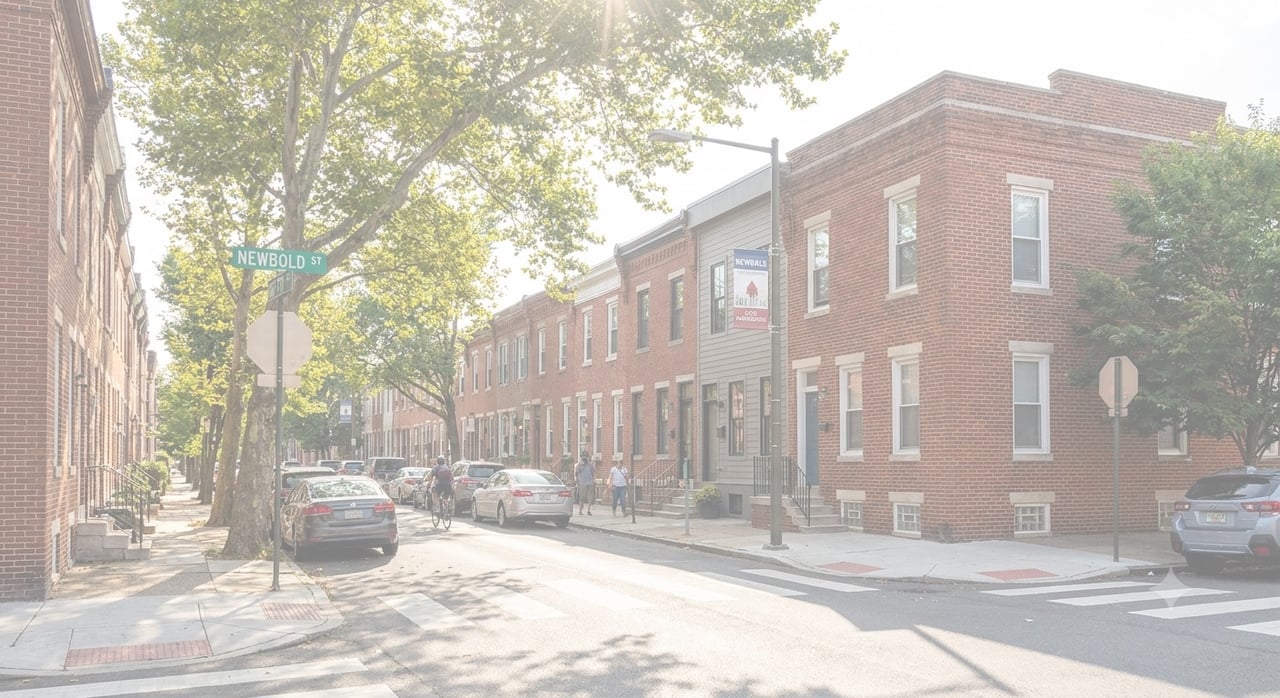
If you are researching listings, you will likely see both Point Breeze and Newbold used in marketing. In practice, Newbold is commonly treated as a section or local identity within Point Breeze, but boundaries vary depending on the organization describing them.
WHYY’s reporting on the area notes that civic groups and residents have used different boundaries and even debated whether the area should be called Point Breeze or Newbold. For investing purposes, the key takeaway is simple: you should focus less on the label and more on the property’s exact block, transit access, zoning status, and nearby commercial corridors.
In Point Breeze and nearby Newbold blocks, renter appeal is often tied to practical, everyday factors. Transit access, neighborhood services, and ongoing infrastructure investment all influence how a property may perform.
SEPTA’s Tasker-Morris Station improvements highlight one of the strongest local fundamentals. The station sits on Broad Street between Tasker and Morris, is part of the Broad Street Line, includes accessibility upgrades, and SEPTA says it serves about 3,000 riders daily. SEPTA route maps also show bus service in and around Point Breeze, including Route 29 and Route 79.
Public investment also matters. The research provided notes that Philadelphia Water lists multiple active sewer, water-main, and green-stormwater projects in Point Breeze. While that does not guarantee investment performance, it does add useful context when you are evaluating long-term neighborhood function and tenant convenience.
In Point Breeze, one of the biggest underwriting mistakes is assuming a property can be valued as a duplex or triplex just because a listing says so. In Philadelphia, the legal unit count should drive your rent assumptions, financing conversations, renovation plans, and exit strategy.
The City of Philadelphia states that you need a zoning permit to change the use of a property, including increasing or decreasing the number of residential units. If the proposed use does not meet code requirements, you may need a special exception or variance from the Zoning Board of Adjustment.
That means a rowhouse advertised as a duplex or triplex should be verified against city records before you model the deal that way. If the legal occupancy does not match the marketing, your projected income and timeline can change quickly.
Listing language is not the same as city approval. A seller or marketer may describe a property based on current layout or past use, but that does not confirm that the building is legally approved for multiple units.
Before a rental license can be issued for more than one unit, Philadelphia requires proof that the property is legally occupied under zoning and building codes. According to the city’s rental property requirements, acceptable documentation can include a Certificate of Occupancy, a prior rental license record for the same number of units issued within the last three years, or, for some older uses established before 2000, a zoning permit plus an Affidavit of Continuous Use.
A common Point Breeze investment question is whether you can buy a single-family rowhome and convert it into a duplex or triplex. The short answer is yes, but only if the zoning and code path supports that change.
Philadelphia makes clear that changing the number of residential units requires proper zoning approval. If the conversion is not allowed as of right, you may need a variance or other relief through the city’s process. That adds time, uncertainty, and cost, so the possibility of conversion should never be treated as guaranteed at the offer stage.
Before you commit to a conversion play, it helps to ask:
In many small multifamily deals, these questions matter more than kitchen finishes or cosmetic updates.
Philadelphia’s landlord requirements are detailed, and they affect both local and out-of-area investors. The city says landlords need tax compliance, a rental license, proof of legal occupancy, a certificate of rental suitability for new tenants, and lead certification. In some cases, owners also need a Commercial Activity License and a Business Income and Receipts Tax number before applying.
The city also notes that zoning approval is needed even when the owner lives in one of the units. So if you are considering house hacking in a duplex or triplex, the compliance work still matters.
If you live outside Philadelphia, the city requires a local managing agent on the rental license application. That alone is a strong reason to build your team early, especially if you are buying from out of town or planning a 1031 exchange with tight timelines.
A local advisor can help you spot questions around legal occupancy, coordinate due diligence, and connect the dots between zoning, licensing, and transaction timing. In a neighborhood like Point Breeze, where many buildings are older rowhomes with layered histories, that local knowledge can be valuable.
Many South Philadelphia properties were built long before 1978, which makes lead compliance an important part of your planning. Philadelphia requires landlords to test and certify rental properties as lead-safe or lead-free in order to execute a new or renewed lease or receive or renew a rental license.
For investors, this is one of the most common hidden costs in older housing stock. A property may look rent-ready from a cosmetic standpoint, but lead-related repairs, documentation gaps, or delayed certification can affect your timeline and budget.
If the building has three or more units, Philadelphia also requires landlords to provide tenants with a copy of the building smoking policy. It is a small detail, but it shows how compliance gets more layered as unit count increases.
Your underwriting should reflect Philadelphia’s actual tax and compliance environment, not just gross rent potential. For tax year 2025, the city’s Real Estate Tax rate is 1.3998% of assessed value.
The Homestead Exemption reduces the taxable portion of assessed value by $100,000, but it applies only to a primary residence that you own and occupy. That means it usually does not help investor-held rentals. The city also offers property tax abatements for some residential and commercial projects, which may be relevant for certain rehab or new construction scenarios.
A realistic Point Breeze multifamily pro forma should account for:
These items may not be the most exciting part of the deal, but they often determine whether the investment performs the way you expect.
Even with a compliance-heavy approach, local context still matters for hold strategy and resale appeal. Transit access, active commercial corridors, and neighborhood-level organizations can all shape how a property is perceived and how quickly a project moves.
The research provided notes that Newbold CDC works with businesses, property owners, developers, investors, entrepreneurs, and the city to improve conditions along West Passyunk and Snyder. It also notes that Point Breeze Coalition’s registered community organization structure can influence neighborhood-level zoning review, which may affect project timelines and scope.
For you, this means a strong buy box in Point Breeze is not just about price per square foot. It is also about understanding the block, the corridor, the transit connection, and the approval process that may shape your business plan.
If you are investing in a small multifamily home in Point Breeze, the best opportunities usually come from disciplined analysis rather than optimistic assumptions. Focus first on legal occupancy, zoning, licensing, tax exposure, and realistic renovation risk. Then look at transit access, neighborhood services, and your long-term hold or resale strategy.
That is where a concierge, neighborhood-focused approach can make a real difference. If you want help evaluating duplexes, triplexes, or conversion opportunities in South Philadelphia, Tom Englett can help you assess the details, spot red flags early, and move with more confidence.
Philadelphia Real Estate
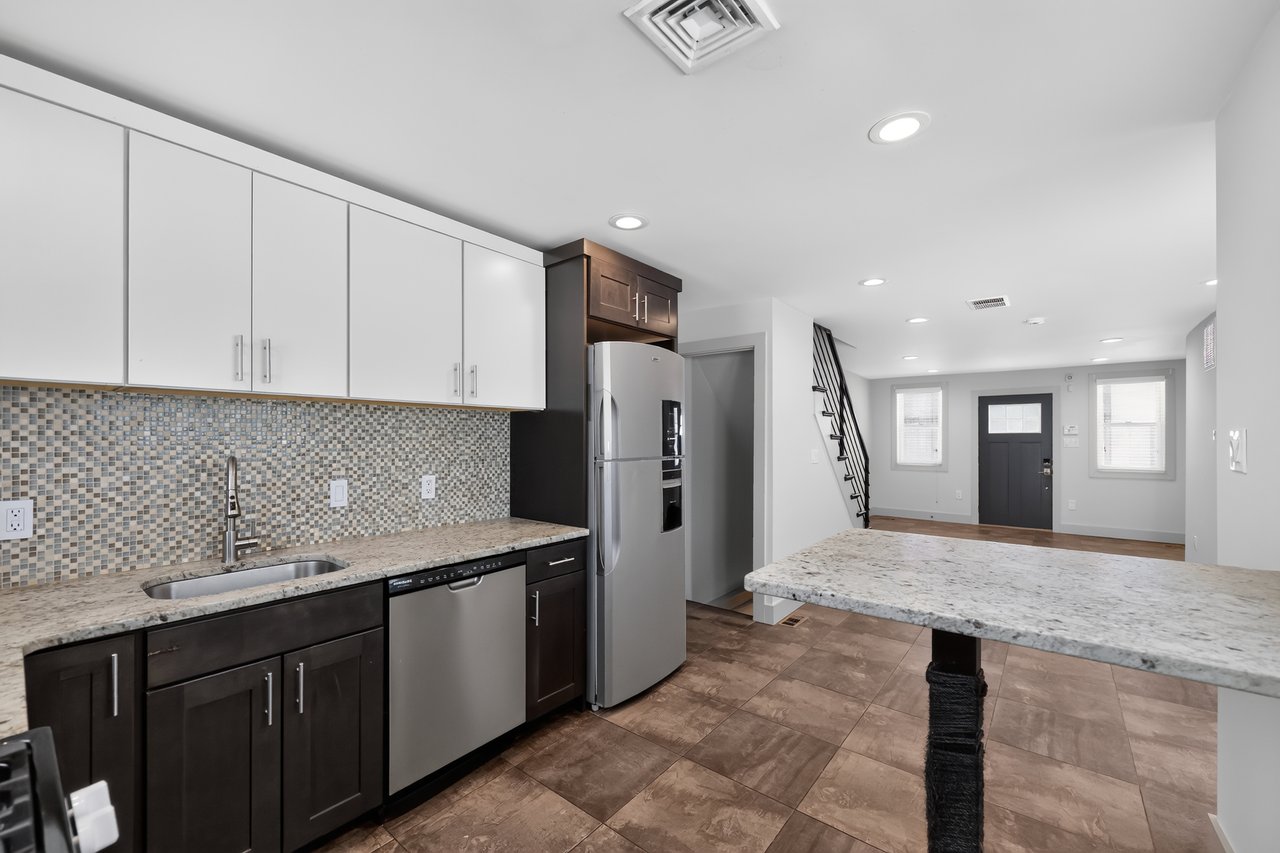
A renovated West Passyunk rowhome with two ensuite suites, three full baths, and a lender program that drops your cash to close to $5,866.


Home Owner Blueprint
New 2027 assessments just hit mailboxes across Philadelphia, and most homeowners are seeing higher numbers. Here's what changed, why City Council is asking questions, … Read more
Real Estate
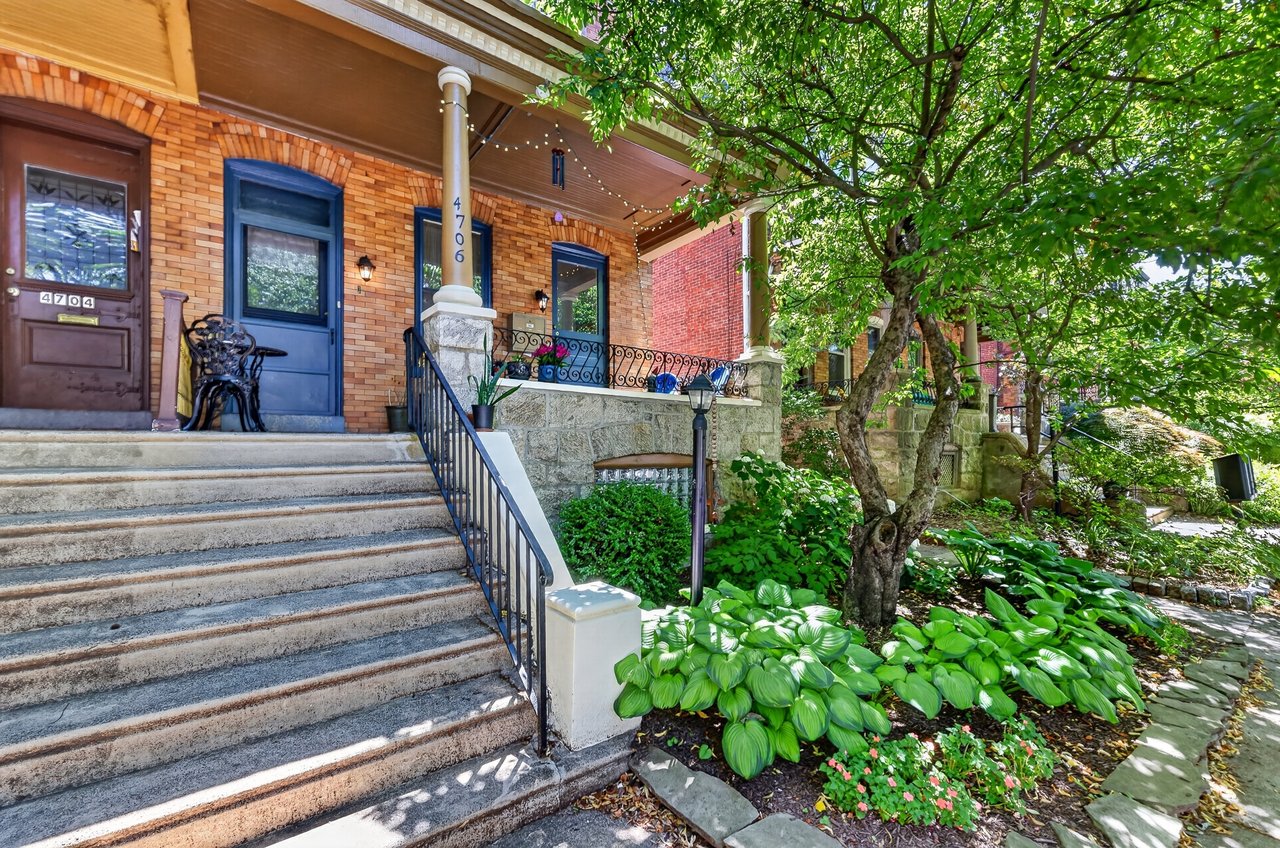
A fully leased Cedar Park triplex with a 7% cap rate, built for investors and 1031 exchange buyers ready to close fast.
Newbold Neighborhood Events
From cozy BYOBs to craft beer havens, Newbold's dining scene is having a moment, and Restaurant Week is the perfect excuse to explore it.

Tom builds lasting relationships — not just real estate deals. Experience a client-first approach designed around your goals, timeline, and peace of mind. Schedule a call and see how Tom can help you move forward.

Tom Englett | Compass RE
1430 Walnut Street, 3rd Floor Philadelphia, PA 19102