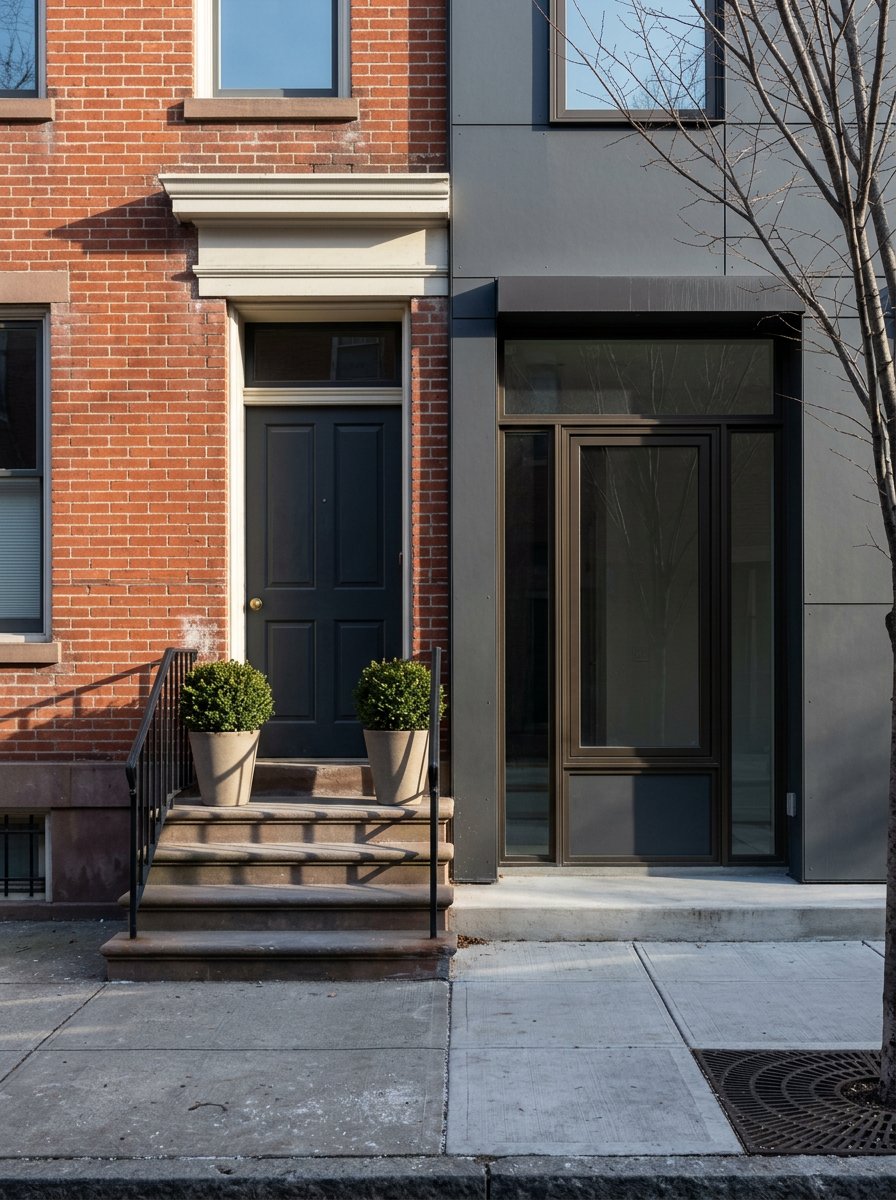
Buying Historic Versus Modern Homes In Society Hill
Historic brick stoop or elevator key fob? If you are deciding between a classic rowhouse and a modern condo in Society Hill, you are not alone. You want the right blend of character, convenience, and long-term costs that fit your lifestyle. In this guide, you will compare how each option lives day to day, what maintenance and approvals to expect, which inspections to prioritize, and ways to finance upgrades. Let’s dive in.
Society Hill sits in Center City from roughly Front Street to 8th Street and Walnut to Lombard. It blends 18th- and early 19th-century brick rowhouses with notable mid-century additions like I.M. Pei’s Society Hill Towers and planned courtyard townhomes. The city’s district documentation highlights this unique historic and modern mix across its blocks and gardens. You can explore the neighborhood’s architecture in the city’s Society Hill Historic District report.
The district was listed on the National Register of Historic Places in 1971 and received local historic designation in 1999. The national listing is honorary, but local designation gives the city review powers over many exterior changes visible from the street. For background on the listing, see the National Register entry and the state’s overview of local historic district certification.
Buying inside Society Hill’s local historic district means many exterior changes require review by the Philadelphia Historical Commission (PHC). Interior work is generally not within PHC’s scope unless an interior is separately designated or restricted by a covenant. After PHC approval, you still need standard building permits from Licenses & Inspections.
PHC approvals can be handled by staff for simple, appropriate repairs or go to a public hearing for larger projects. Timelines vary by scope and completeness of your application. Review current procedures and calendars early in your planning; city meeting materials are a good snapshot of PHC processes and decision types.
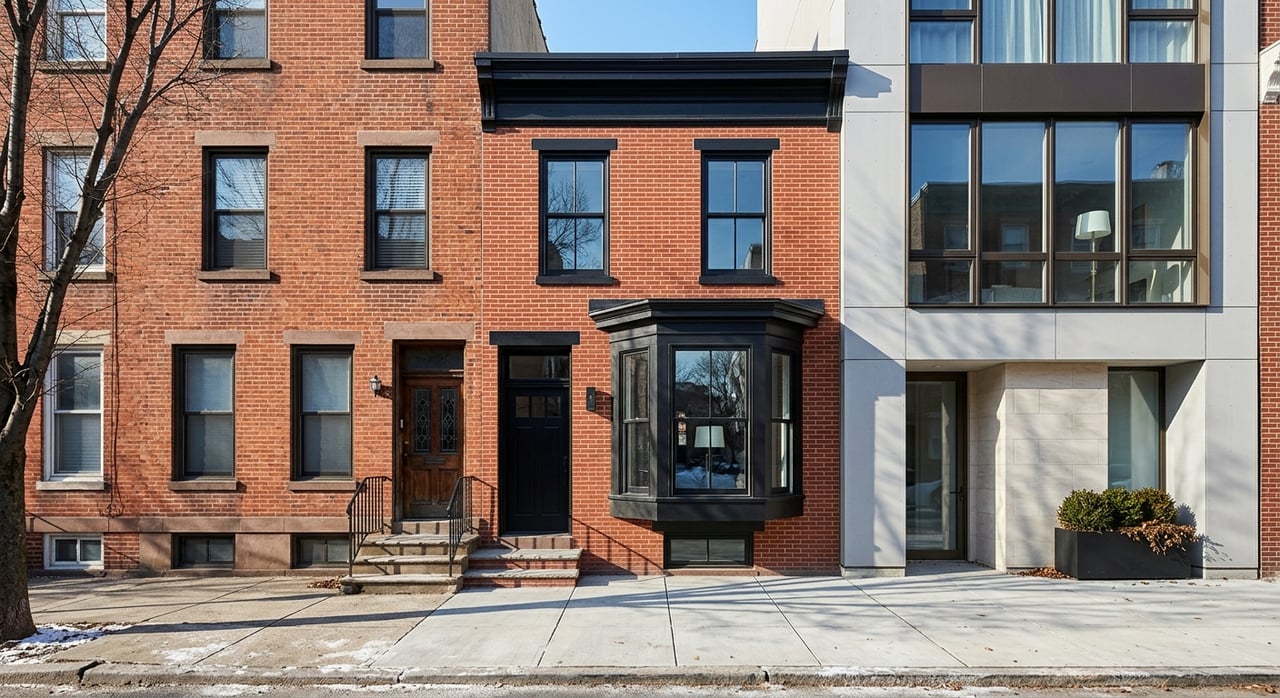
Most historic Society Hill rowhouses are brick masonry structures with wood windows, plaster walls, and vertical floorplans. Many were restored in the mid-20th century, but systems, roofs, and masonry still require periodic attention. Here is what to expect.
Masonry and moisture. Repointing is a recurring cost. Historic brick needs compatible lime-rich mortar, not modern hard mixes that can damage soft brick. A preservation-informed contractor should guide the mix and scope. Learn why mortar compatibility matters with this summary on historic brick repointing.
Roofs and flashing. Some homes retain slate or early asphalt roofs. Slate can last a very long time but needs specialty repair and regular flashing upkeep. For general roof conservation practices, explore the National Park Service’s preservation topics.
Windows and energy. Original wood sash are often repairable and can be upgraded with weatherstripping and storm windows for good thermal performance, typically at a lower lifecycle cost than full replacement. Get practical ideas from this guide to retrofitting historic windows.
Systems and safety. Expect to evaluate older boilers, radiators, wiring, and plumbing. Lead-based paint is common in pre-1978 homes. Testing and lead-safe work practices are essential for health and compliance. Review the CDC’s overview of lead hazards in homes and the EPA’s rules for lead-safe renovation, repair, and painting.
Budgeting. A general rule of thumb is to set aside 1 to 3 percent of your home’s value per year for maintenance. Many older properties trend to the higher end, depending on recent capital work and current condition. Use this only as a starting point, then refine with your inspector’s findings. For context, see this summary on home maintenance budgeting.
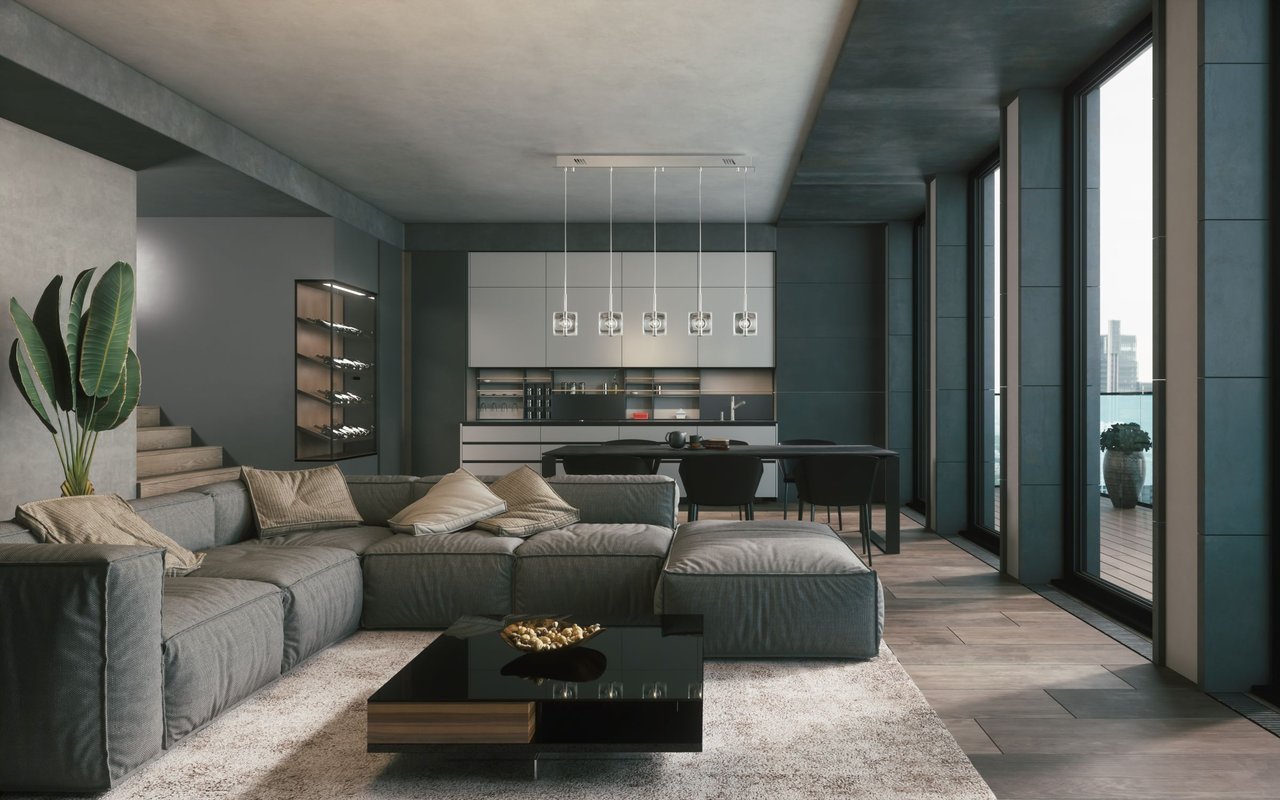
Modern options in Society Hill include mid-century towers, courtyard townhouses, and later condo conversions. These often provide elevators, garage or assigned parking, and shared amenities. Exterior and common-area maintenance is handled by the association and funded through monthly HOA or condo fees.
Before you buy, request the association’s financials, reserve study, recent meeting minutes, master insurance policy, and rules. Healthy reserves and a clear capital plan reduce the risk of special assessments, but all buildings need periodic projects like roof, façade, or elevator work. Confirm what your fees cover, from utilities to parking.
Privacy and noise vary by building and construction method. Some modern buildings include better sound attenuation and controlled access. If you want single-level living or minimal exterior maintenance, a condo or newer townhouse can be a strong fit.
| Topic | Historic Rowhouse | Modern Condo/Townhome |
|---|---|---|
| Maintenance | You schedule and pay for exterior and interior upkeep | Association handles exterior and common areas via monthly fees |
| Layout | Vertical living with stairs and separate rooms | Single-level or elevator access; more open plans |
| Parking | Street or leased nearby | Often garage or assigned parking |
| Outdoor space | Private yard or garden varies by home | Balconies, shared courtyards, or roof decks vary by building |
| Approvals | PHC review for many street-visible exterior changes | Renovations typically inside your unit, subject to building rules |
| Monthly costs | Variable; no HOA but periodic larger projects | Predictable HOA, plus possible special assessments |
| Character | Period details and historic streetscape | Modern systems, amenities, and finishes |
If you plan to buy and renovate, some mortgages allow you to finance improvements into your purchase. Fannie Mae’s HomeStyle Renovation can combine acquisition and renovation in one loan. FHA 203(k) programs also exist, each with specific requirements and oversight. Engage an experienced lender early to map timelines and documentation.
Insurance can differ by property type. Older structures may see higher premiums if systems or roof conditions increase risk or if specialized materials are needed for repairs. Condo owners typically carry an HO-6 policy for interior finishes and personal property, while the association’s master policy covers building structure and common elements. Review how coverage is split and where deductibles apply.
Start with how you live day to day. If you value period details, a stoop that meets the sidewalk, and a private garden, a rowhouse may feel right. Plan for hands-on maintenance and PHC-reviewed exterior projects. If you want elevator access, garage parking, and predictable exterior costs, a condo or modern townhouse can offer lower maintenance with shared amenities.
Either way, align your choice with the real costs of ownership. Get the right inspections, verify approvals and permits, and read the association’s documents closely. A clear due diligence process protects your budget and your time.
When you are ready to compare specific listings, walk blocks, and map costs, we are here to help. Schedule a consult with Tom Englett to get a calm, step-by-step plan tailored to your Society Hill goals.
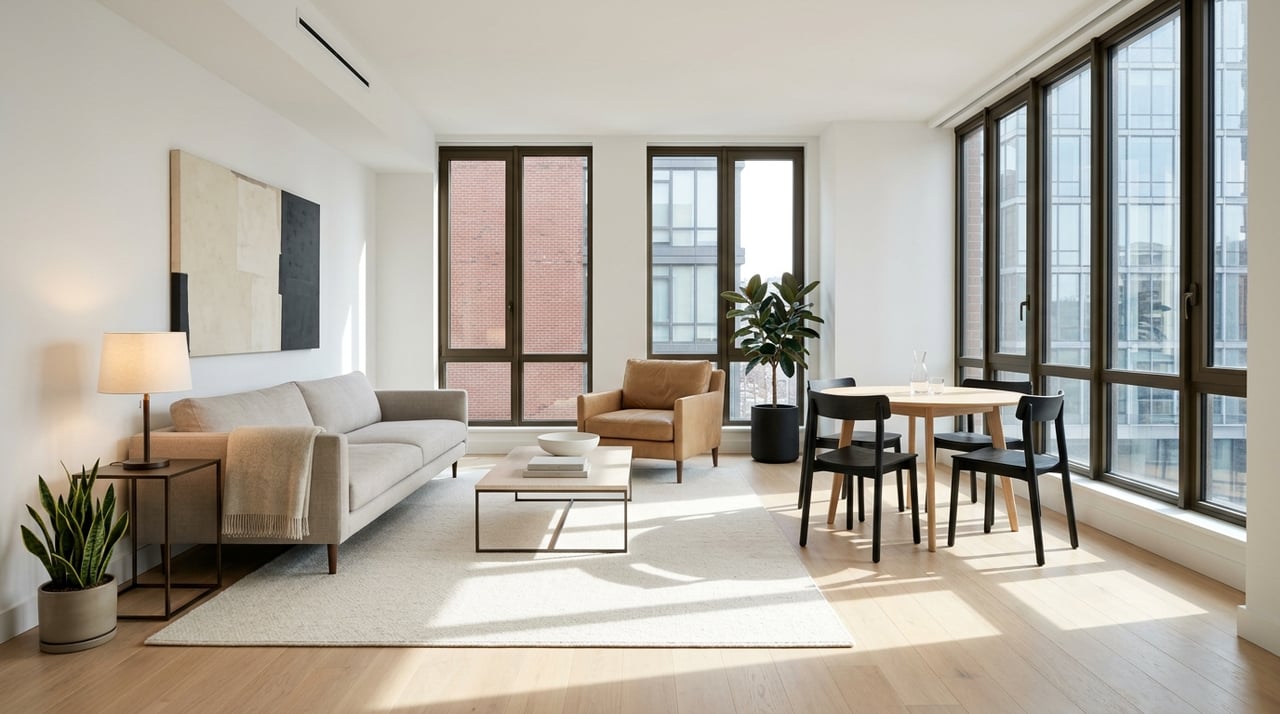

Home Owner Blueprint
New 2027 assessments just hit mailboxes across Philadelphia, and most homeowners are seeing higher numbers. Here's what changed, why City Council is asking questions, … Read more
Real Estate
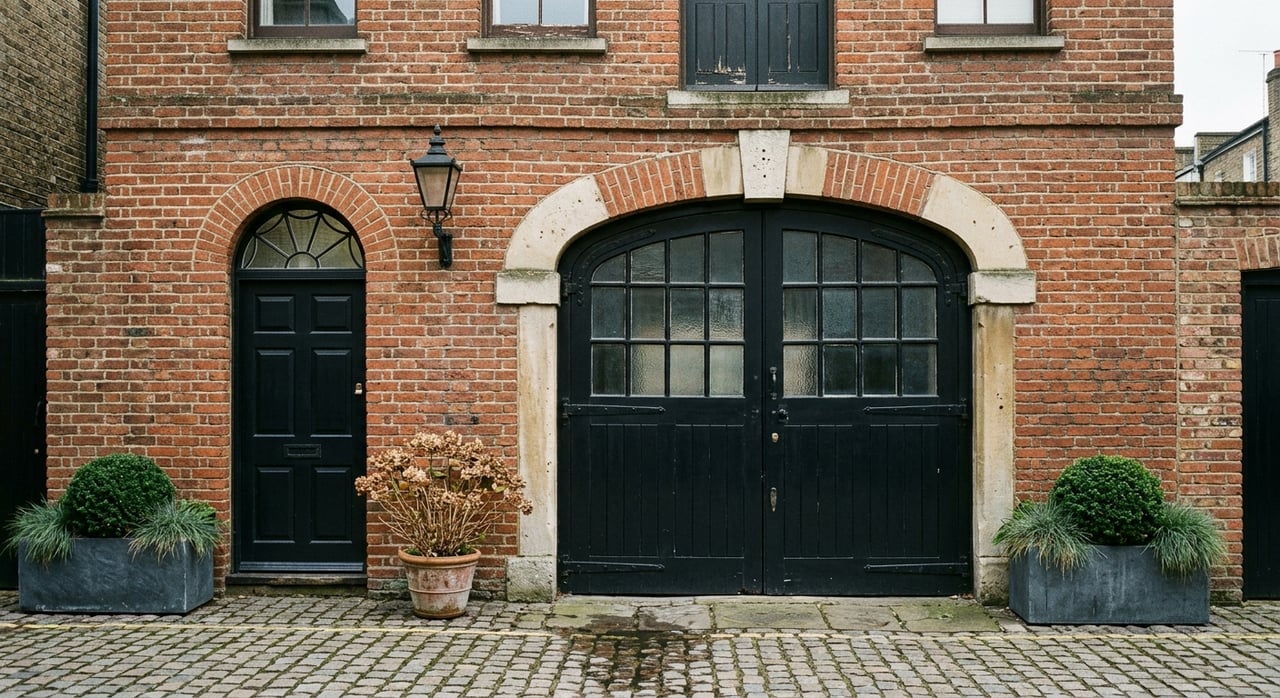
A fully leased Cedar Park triplex with a 7% cap rate, built for investors and 1031 exchange buyers ready to close fast.
Newbold Neighborhood Events
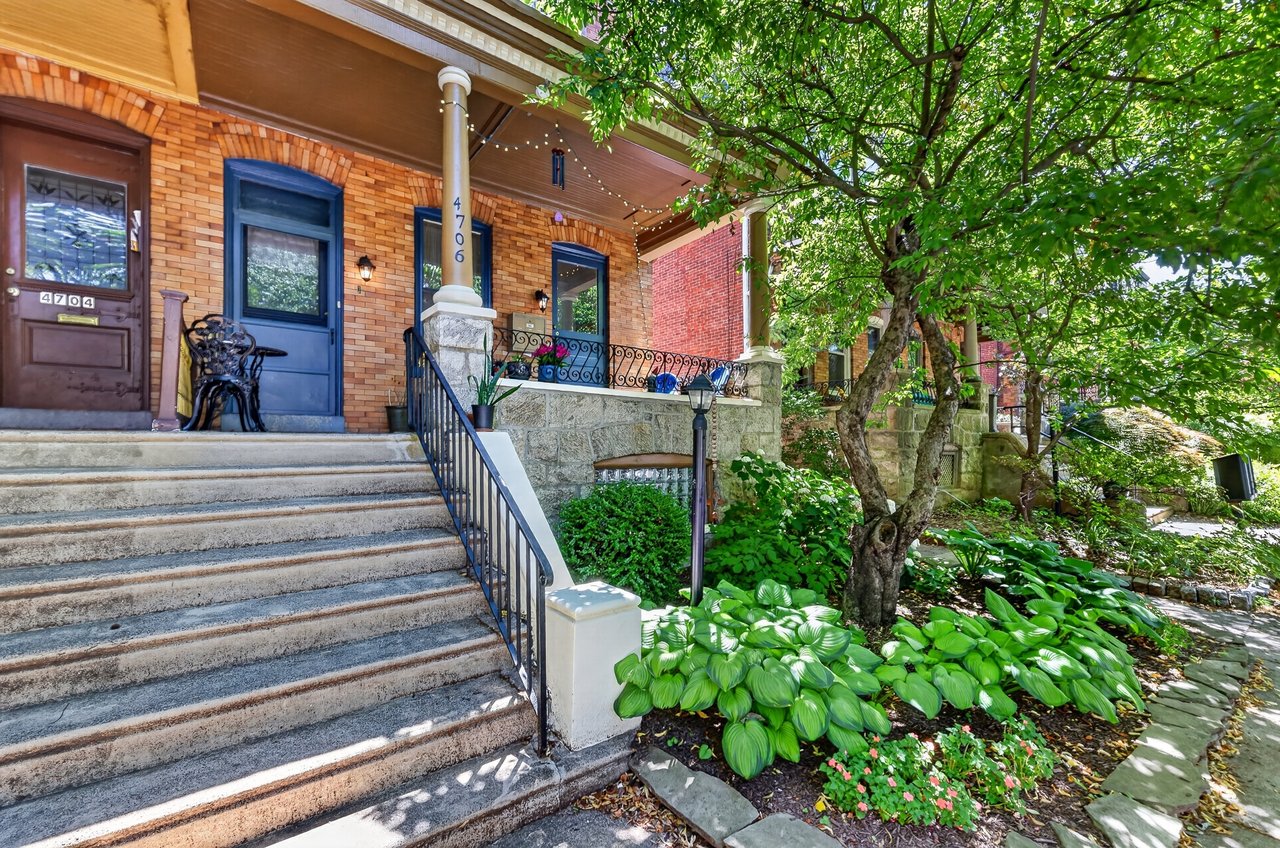
From cozy BYOBs to craft beer havens, Newbold's dining scene is having a moment, and Restaurant Week is the perfect excuse to explore it.
Tom builds lasting relationships — not just real estate deals. Experience a client-first approach designed around your goals, timeline, and peace of mind. Schedule a call and see how Tom can help you move forward.
Tom Englett | Compass RE
1430 Walnut Street, 3rd Floor Philadelphia, PA 19102