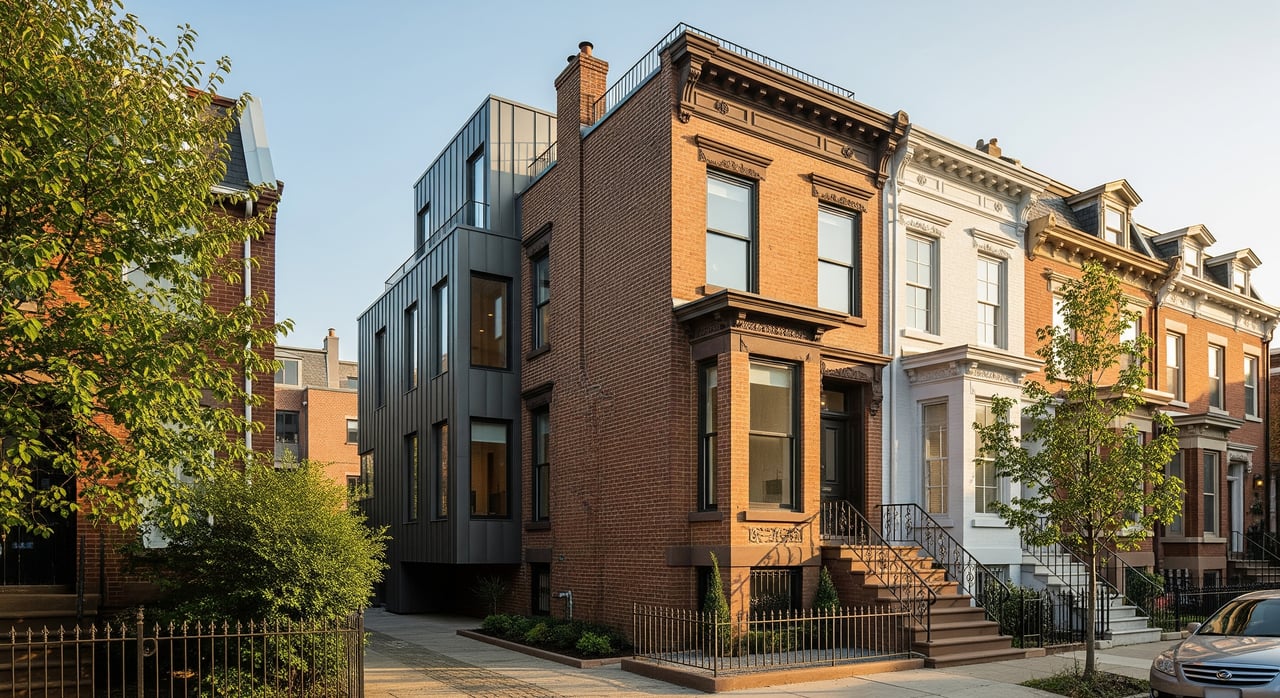
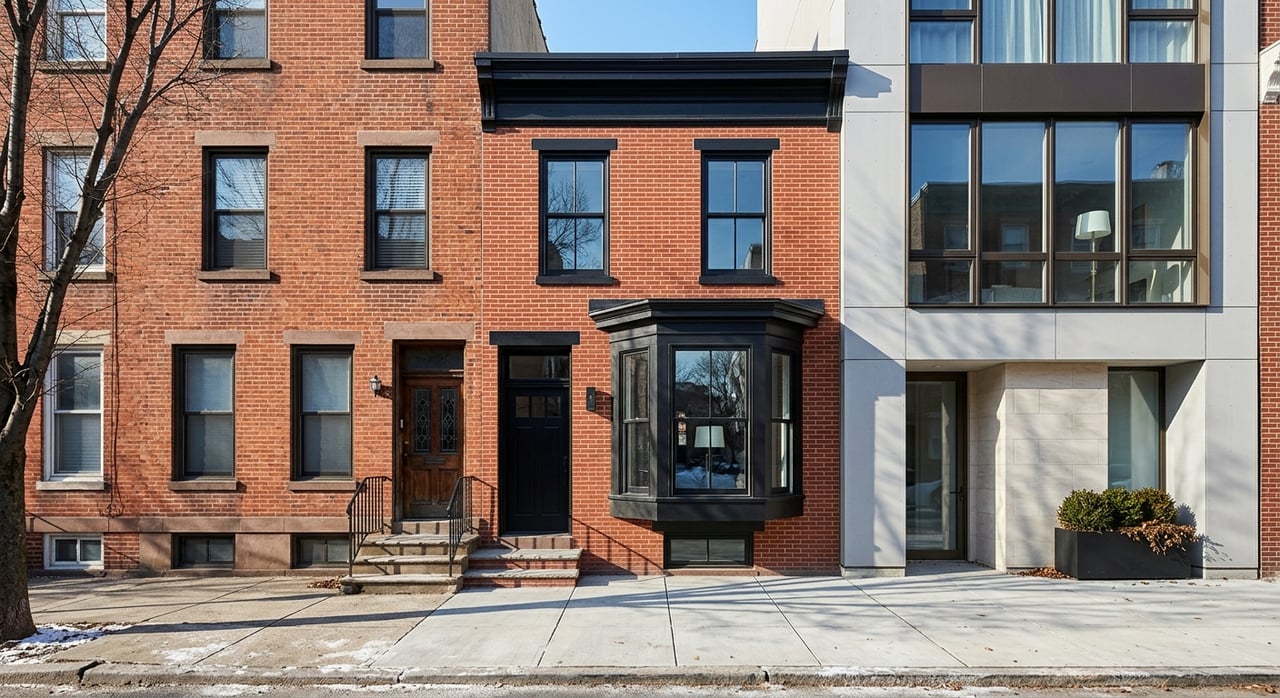
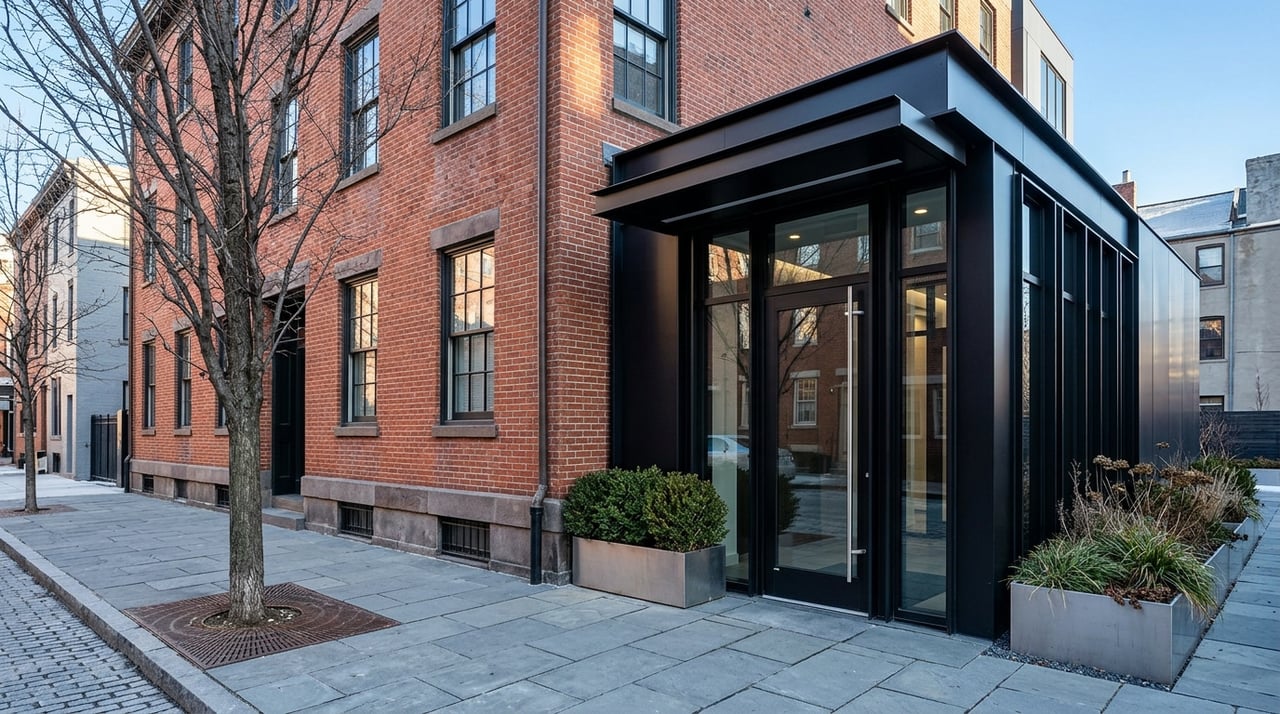
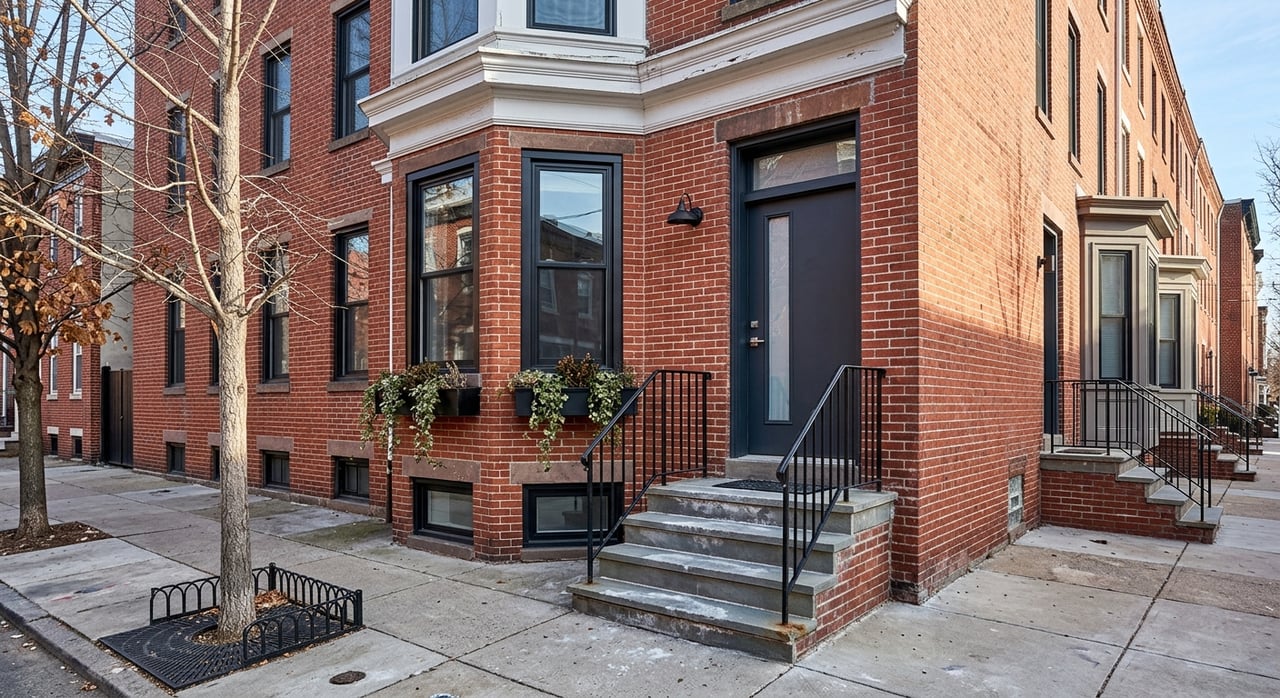
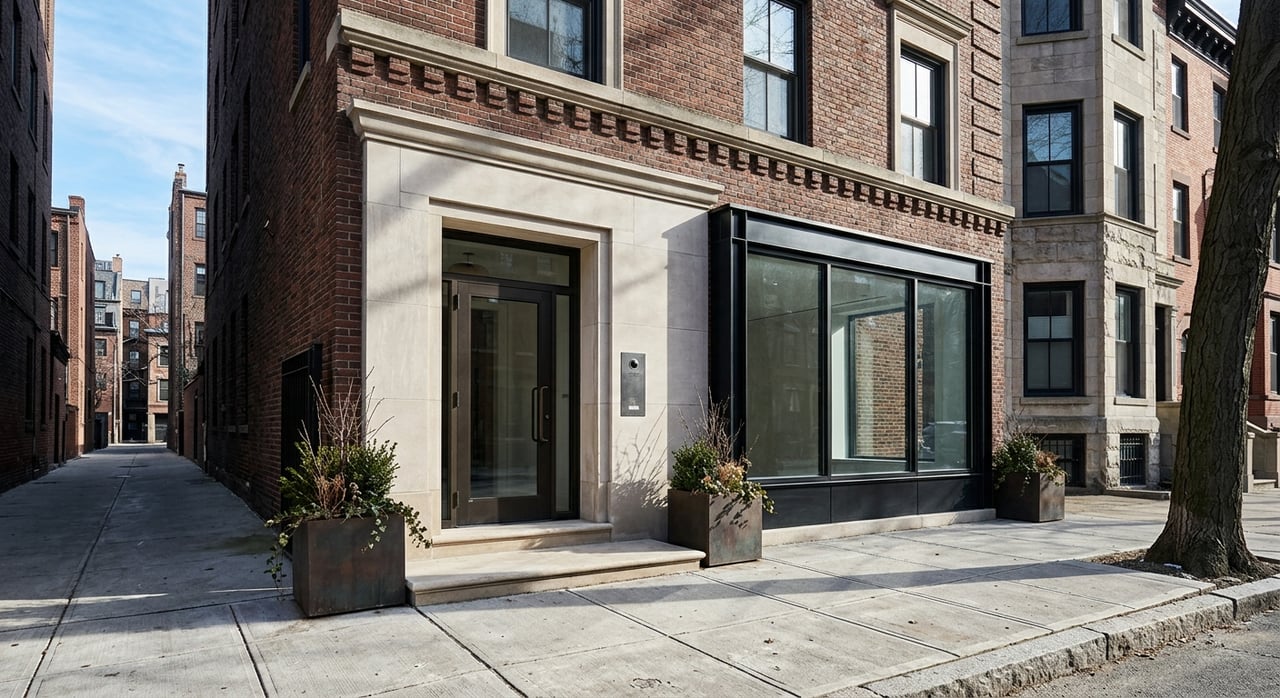
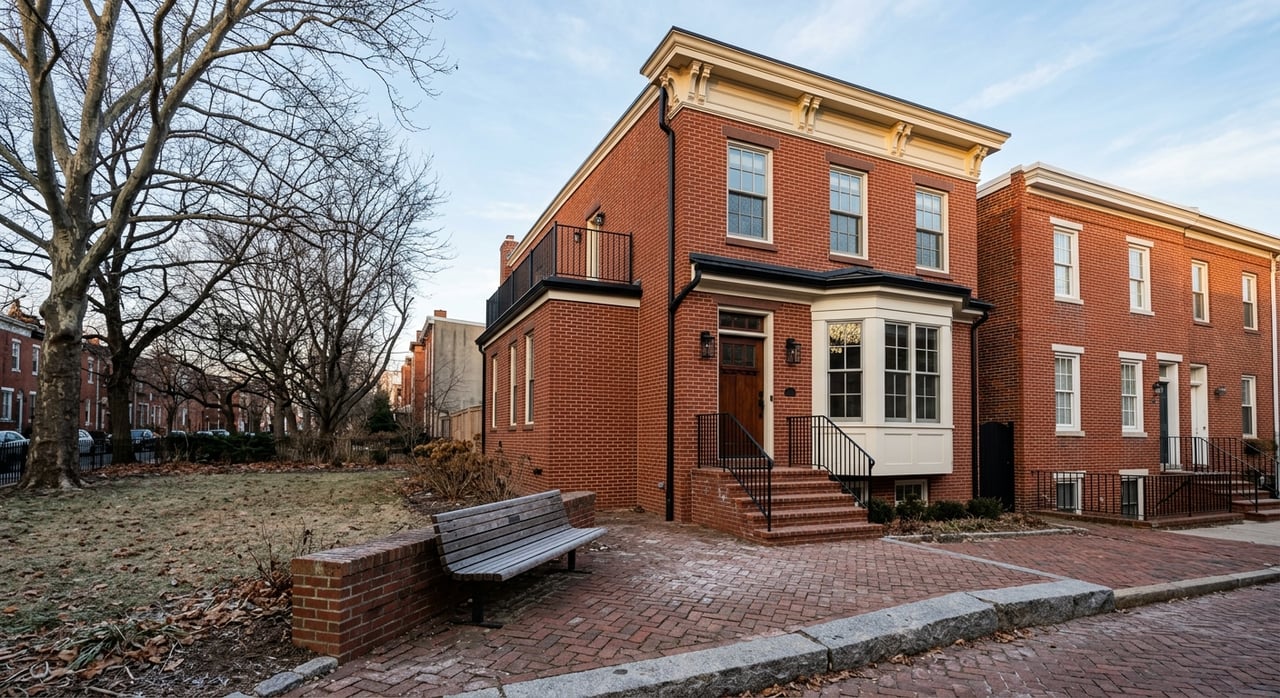
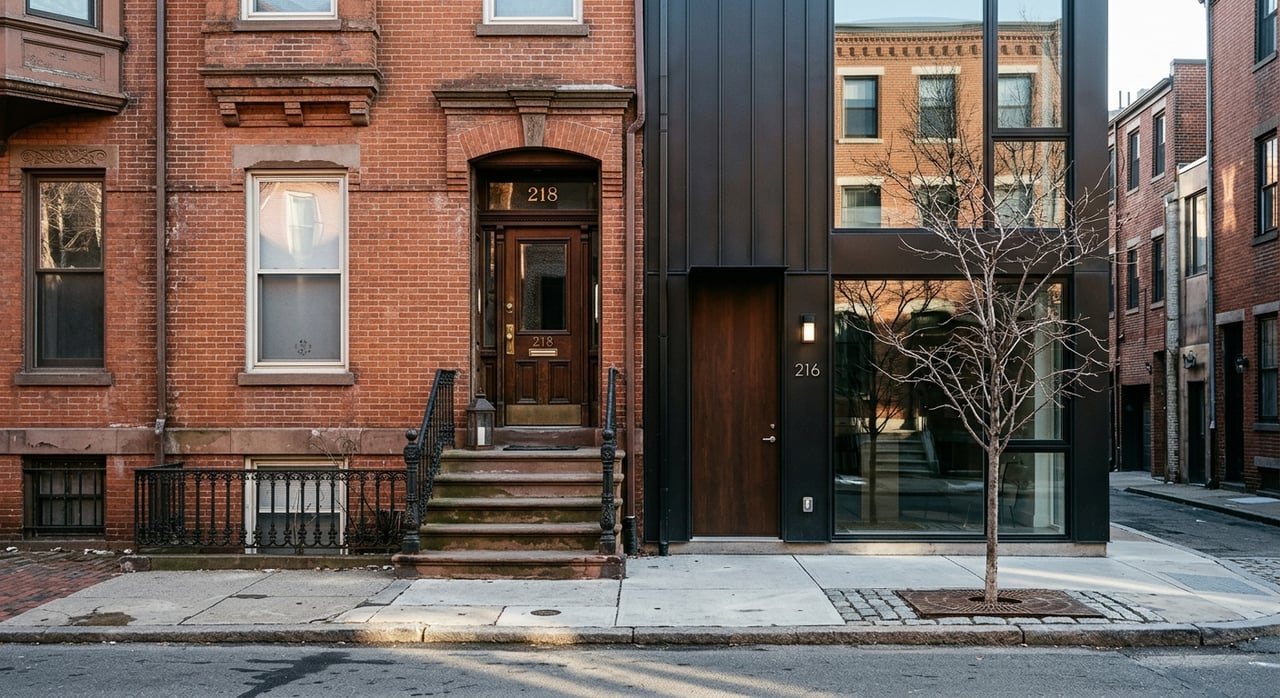
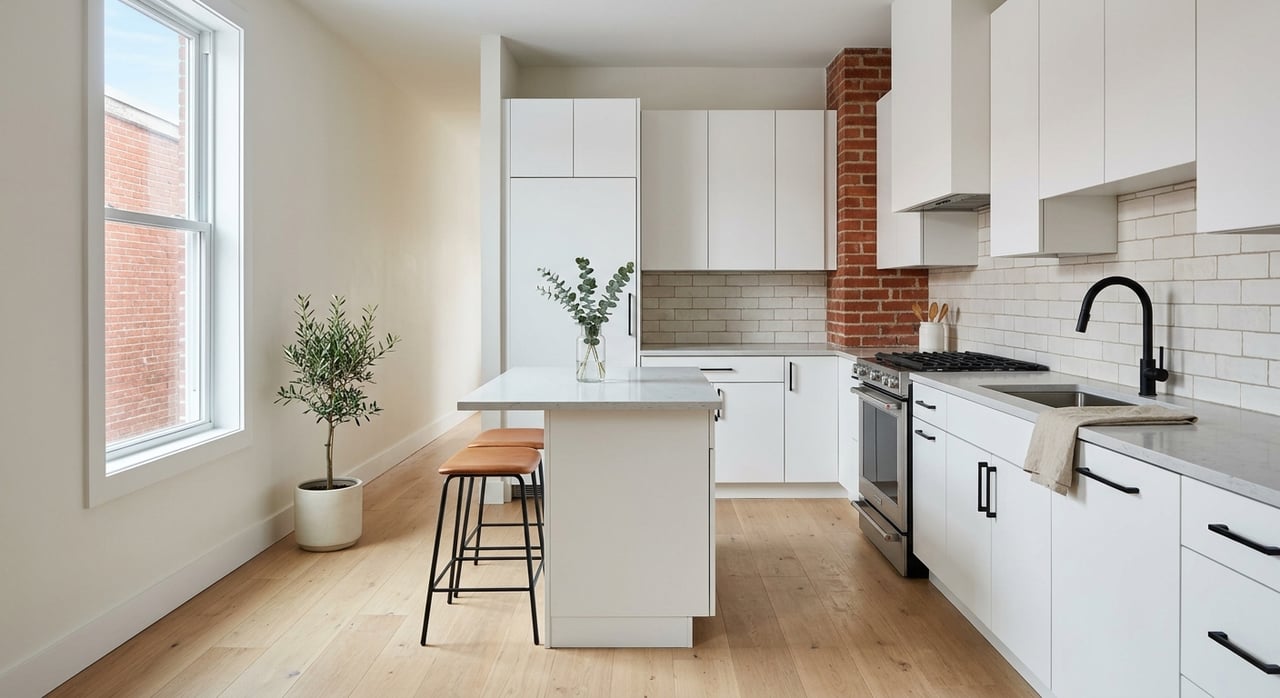
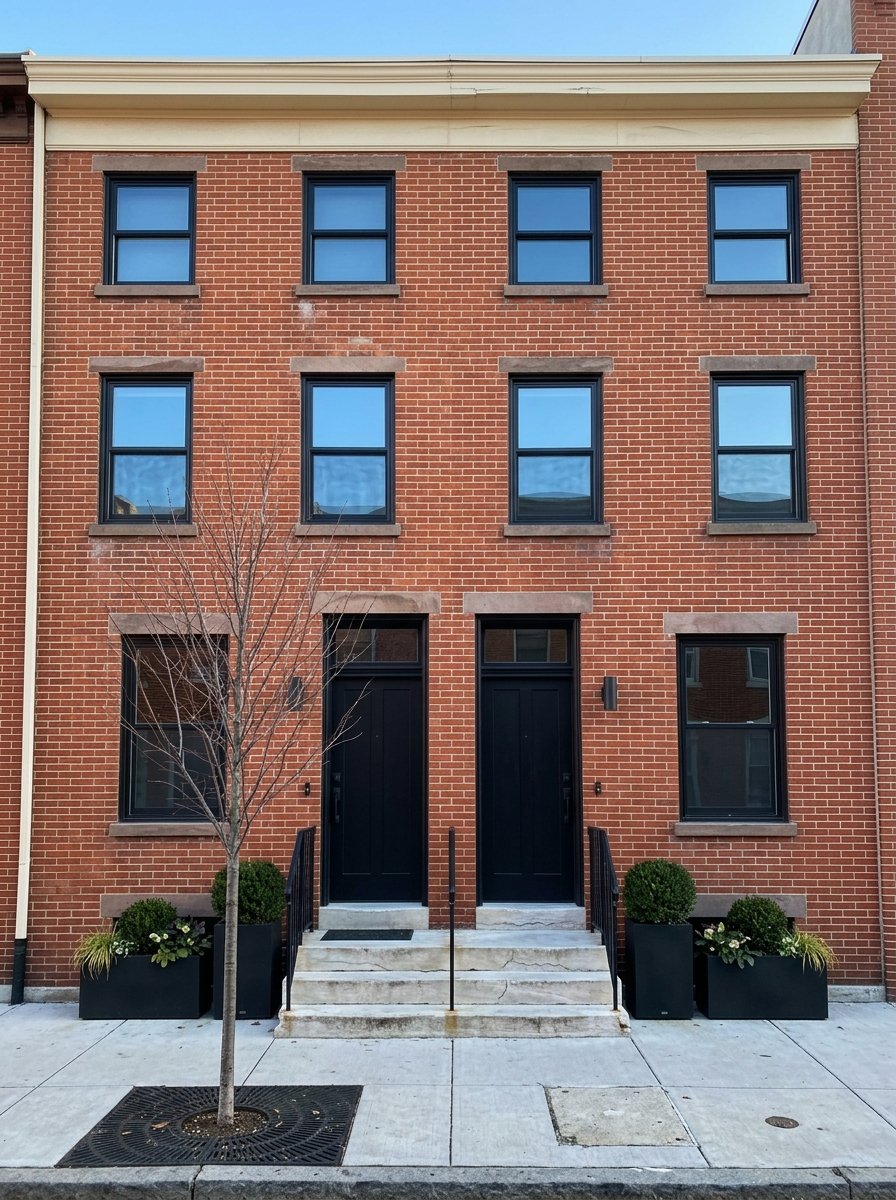
Torn between a sleek new-build townhome and a character-rich renovated rowhome in Point Breeze? You are not alone. The choice affects your day-to-day living, monthly costs, and long-term value. In this guide, you will compare protections, layout, maintenance needs, and resale considerations, plus get a practical checklist and a simple cost worksheet you can use today. Let’s dive in.
Quick take: new vs renovated
At a glance
| Factor |
New Construction Townhome |
Renovated Classic Rowhome |
| Protections |
Builder warranties are common, often tiered by coverage. |
Disclosures standard, warranties vary by seller or contractor. |
| Permits |
Expect full permits and a certificate of occupancy. Verify with the city. |
Quality varies. Confirm permits for major work and final sign-offs. |
| Layout |
Open plans, larger baths and closets, modern systems, possible roof decks or parking. |
Character details, established street presence, possible narrower stairs and smaller baths unless expanded. |
| Energy & Systems |
Newer code compliance, often more efficient. |
Efficiency depends on upgrades and quality of rehab. |
| Maintenance |
Lower near-term maintenance if built well. |
Higher near-term risk if systems are older or rehab was cosmetic. |
| Resale |
Broad appeal for turnkey buyers. |
Strong appeal for buyers who value historic character and authentic finishes. |
Legal and financial protections
Warranties and disclosures
- New construction often includes tiered builder warranties, commonly 1 year for workmanship, 2 years for systems, and a longer period for structural items. Confirm exact terms, exclusions, and whether the warranty is transferable.
- Renovated homes include standard seller disclosures. Broader warranties are not guaranteed, so ask for any workmanship warranty in writing and confirm the contractor’s license and insurance.
Permits and certificate of occupancy
Property taxes and abatements
Title, party walls, and easements
- In rowhome neighborhoods, review title for party wall agreements, rear alley access, and any recorded easements. A real estate attorney can help review complex issues.
Layout and livability
New construction townhomes
- You often get open layouts, taller ceilings, larger closets and bathrooms, and integrated mechanical systems. Many builds add roof decks and, where feasible, parking.
- If you buy early, you may be able to select finishes or minor layout options.
Renovated rowhomes
- You may find original trim, mantels, and hardwoods that give a classic South Philadelphia feel. Some blocks also have deeper lot footprints.
- Expect quirks like narrower stairs or smaller baths unless there is a rear or vertical addition. Quality ranges widely between cosmetic flips and full gut rehabs.
Materials and systems quality
What to verify on new builds
- Review the specification sheet: HVAC type and efficiency, insulation R-values, window ratings, appliance brands, and roofing details. Compliance with modern code is a plus, and Pennsylvania’s Uniform Construction Code sets standards across the state.
- Ask who administers the warranty and how service requests are handled.
What to verify on renovations
- Request documentation for major work and installation dates for HVAC, roof, windows, plumbing, and electrical. Confirm permits closed properly.
- For homes built before 1978, review safety steps for lead-based paint and learn about best practices through the U.S. Environmental Protection Agency’s lead resources.
Maintenance and capital expenses
- Newer homes typically have lower near-term maintenance if built correctly. Plan for routine items like HVAC filter changes and minor touch-ups.
- Older or partly renovated homes can require more attention. Common Philadelphia issues include masonry repointing, roof replacements, water infiltration at party walls or rear walls, older plumbing or sewer laterals, and electrical panel upgrades.
- A conservative planning approach is to budget annually for maintenance. Many advisors suggest 1 to 2 percent of the purchase price per year for newer homes, and 2 to 4 percent for older or higher-maintenance homes, then adjust based on the inspection.
Resale value in Point Breeze
- Buyers in Point Breeze often prize proximity to transit and parks, a well-kept block, quality local retail, and modern systems. Roof decks, off-street parking, and updated mechanicals can support resale value.
- Character matters. Some buyers pay a premium for authentic historic details, while others prefer turnkey convenience and open layouts.
- Watch for risk signals. Unpermitted work can create resale challenges. New construction premiums can compress if a micro-area gets overbuilt.
Cost-of-ownership worksheet
Use this to compare a new-build townhouse and a renovated rowhome side by side. Populate it with actual figures from the seller, the city, and your lender.
Key lines to include:
- Purchase price, down payment, loan terms, and monthly principal and interest.
- Property taxes, including any abatement, and a second scenario for when an abatement ends.
- Homeowners insurance and any PMI.
- Expected utilities and HOA, if applicable.
- A maintenance reserve and a capital expense reserve for big-ticket items.
Hypothetical example only
| Line Item |
New Build A |
Renovated B |
| Purchase price |
$550,000 |
$500,000 |
| Down payment |
10% |
10% |
| Loan, rate, term |
90%, 6.5%, 30 yr |
90%, 6.5%, 30 yr |
| Monthly principal & interest |
$3,120 |
$2,840 |
| Annual property taxes |
Scenario 1: abatement applies, check rules |
Standard based on assessed value |
| Monthly taxes (est.) |
$250 during abatement, model post-abatement |
$420 |
| Monthly insurance |
$90 |
$95 |
| Monthly utilities |
$180, efficient systems |
$230, varies by upgrades |
| Maintenance reserve |
1.5%/yr = $69/mo |
3%/yr = $125/mo |
| Capital reserve |
Roof, HVAC over time = $40/mo |
Roof, sewer, masonry = $80/mo |
| Estimated net monthly |
$3,749 |
$3,790 |
These numbers are for illustration only. Replace them with your lender quote, the seller’s utility bills, the actual tax bill from the city, and your inspector’s findings.
Tour checklist: what to ask and spot
New construction townhome
Must-ask questions
- Who is the builder, and where can you see completed homes on a similar scale?
- Can you review the spec sheet, including insulation, window ratings, HVAC type, and roofing?
- What permits were pulled, and when will the certificate of occupancy be issued?
- How are warranty claims handled after closing, and what is the response time?
- What is the delivery timeline for appliances, exterior finishes, and landscaping?
Visual checks
- Roof details, parapets, and flashings, plus downspout placement and drainage.
- Consistency of finishes, cabinet alignment, door and window operation.
- Fire separation at party walls and the build quality of any parking or garage space.
Renovated rowhome
Must-ask questions
- What work was done, when, and by whom? Can you see permits and final inspections?
- Are there invoices or warranties for major trades and any structural reports?
- Any history of water intrusion, sewer backups, or settlement, and how was it addressed?
- For pre-1978 homes, what steps were taken for lead-safe practices?
Visual checks
- Basements, crawlspaces, and behind appliances for moisture or rot.
- Roof and chimneys for sagging or missing flashing, mortar joints on brick.
- Electrical panel age and capacity, presence of GFCIs, and overall HVAC condition.
Zoning and future changes
If you hope to add a roof deck or expand the footprint, check Philadelphia’s zoning controls for lot coverage, rear-yard rules, and roof-deck visibility. You can start with the city’s zoning permit guidance, then speak with a zoning professional as needed. Homes in or near historic areas may require additional review by the Philadelphia Historical Commission.
Action plan to buy confidently
- Confirm permits and final inspections through L&I.
- Verify taxes, assessed value, and any abatement eligibility with the Office of Property Assessment and the Department of Revenue’s abatement page.
- Order a thorough home inspection, and add specialists as needed, such as structural, sewer lateral camera, HVAC, and environmental testing.
- Review builder warranty documents or contractor warranties in detail.
- Have your title company and attorney review party walls, easements, and any encroachments.
- Complete the cost-of-ownership worksheet with real numbers and compare your net monthly.
Local resources
If you want a calm, data-driven plan for buying in Point Breeze, let’s talk. Schedule a consultation with Tom Englett to compare properties, verify permits and taxes, and move forward with confidence.
FAQs
What protections come with a new construction home in Philadelphia?
- Many new homes include tiered warranties, often 1 year for workmanship, 2 years for systems, and longer for structural coverage. Always review the contract for exact terms and claim procedures.
How do Philadelphia tax abatements affect my monthly payment?
- Abatements can reduce property taxes for eligible properties, which lowers monthly costs during the abatement period. Confirm current rules with the city, then model payments for both the abatement years and after it ends.
Which inspections are essential for a renovated Point Breeze rowhome?
- Start with a full home inspection, then add a sewer lateral camera, structural review if there were additions or signs of settlement, HVAC evaluation, and environmental testing for lead in pre-1978 homes.
How can I confirm permits for a property in Point Breeze?
- Search city records and ask for the list of permits and final inspections, then verify through the Philadelphia Department of Licenses and Inspections.
Can I add a roof deck or expand a rowhome later?
- It depends on zoning, lot coverage, and visibility rules. Review the city’s zoning permit guidance and consult with a design or zoning professional before planning changes.