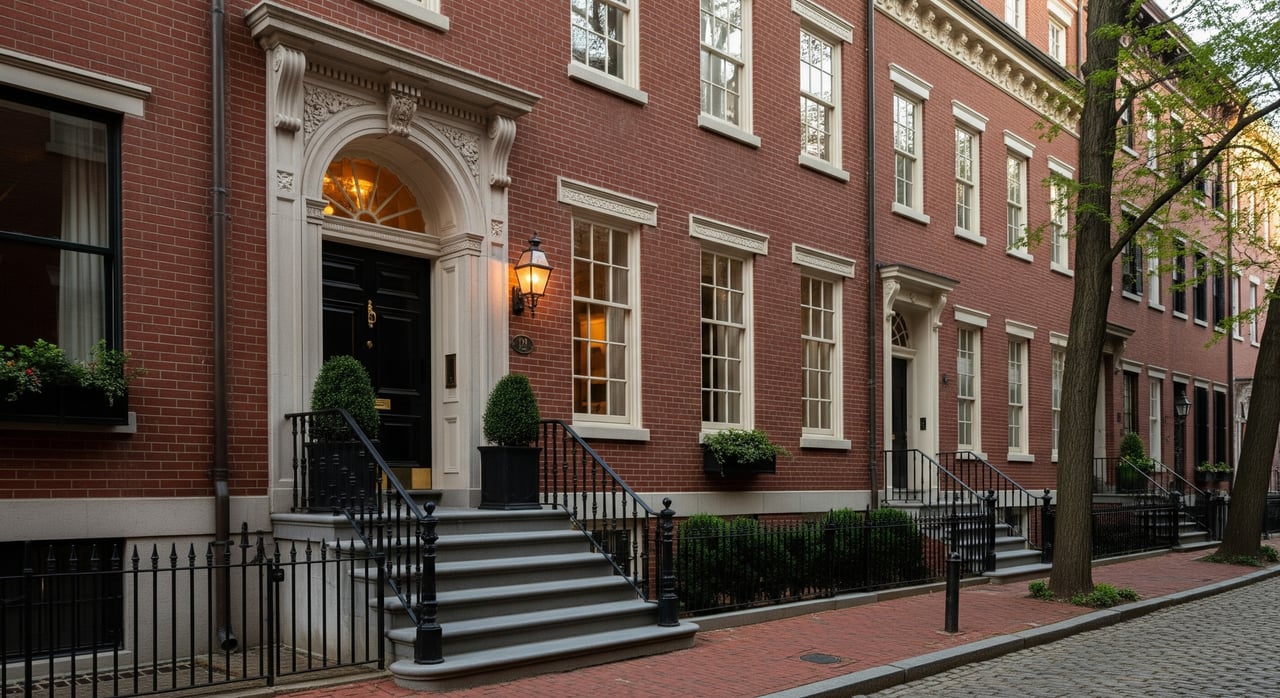
Philadelphia Transfer Tax in Society Hill: Key Facts
Buying or selling in Society Hill comes with a line item that surprises many people: Philadelphia’s real estate transfer tax. It is a big number on six‑ and seven‑figure homes, and it directly affects how much cash you bring to closing or how much you take home as a seller. If you understand the rate, who typically pays, and how to estimate your share, you can plan with confidence and negotiate smart.
Below, you’ll find a clear breakdown of current rates in Philadelphia, how the tax is usually split in Society Hill, simple formulas, real examples, and a checklist of what to confirm with your agent and title company. Let’s dive in.
The transfer tax is a tax on the transfer of title to real property. In Pennsylvania and in the City of Philadelphia, it is collected at settlement by the title company or closing attorney and remitted when the deed is recorded. It is separate from your annual property tax.
Note: City and state rules can change. Always confirm the exact rate for your transaction with your settlement agent and the Philadelphia Department of Revenue before closing.
Legally, who brings funds for transfer tax is negotiable in Pennsylvania. In practice, contract language and local custom decide it.
Here is what you’ll commonly see in Center City and Society Hill:
Whatever you agree to, make sure the allocation is written into your purchase agreement and appears correctly on your Closing Disclosure or closing statement.
Use this quick formula:
Buyer cash to close will include your share of the transfer tax if you agreed to pay part of it. Most mortgages do not allow you to roll the transfer tax in as a separate financed line, but you can negotiate seller credits or adjust price to offset costs, subject to lender limits.
These examples show scale and typical splits for Society Hill homes.
For sellers, transfer tax is one of the larger single line items at closing. A quick framework:
Your title company’s draft closing statement will list the exact transfer tax amount and your share. Review it early so you can adjust expectations or negotiate credits before final sign‑off.
Your cash due at closing often includes:
Ask your lender and agent for an early estimate that shows the transfer tax line, then update after you lock the contract terms.
Some transfers may be exempt or taxed differently. Common examples include certain transfers between spouses, transfers incident to divorce, transfers to government entities or qualifying nonprofits, and some fiduciary, estate, or foreclosure transfers. Parent/child transfers or gifts may qualify under specific rules and affidavits.
There is no broad first‑time homebuyer transfer tax exemption in Philadelphia. If you believe an exemption applies to your situation, discuss it with your agent and settlement company early and be ready to provide supporting documentation at closing.
You will often see “seller pays transfer tax” in listing remarks when a seller is offering to cover it. If the seller expects a 50/50 split or for the buyer to pay, that should be clear in the agreement. In a competitive Society Hill listing, buyers sometimes offer a higher price while asking for a shared or seller‑paid transfer tax to balance cash at closing.
Society Hill transactions often involve condos, historic townhomes, and in some cases entities or estates. The transfer tax can shift thousands of dollars between the parties, so the right strategy and clear paperwork matter. If you want a custom estimate for your address and guidance on the best way to structure your offer or listing terms, let’s talk.
Ready to map out your numbers and plan your next move in Society Hill? Connect with Tom Englett for a consultative walkthrough and a tailored closing cost or net proceeds estimate.


Home Owner Blueprint
New 2027 assessments just hit mailboxes across Philadelphia, and most homeowners are seeing higher numbers. Here's what changed, why City Council is asking questions, … Read more

Real Estate
A fully leased Cedar Park triplex with a 7% cap rate, built for investors and 1031 exchange buyers ready to close fast.
Newbold Neighborhood Events
From cozy BYOBs to craft beer havens, Newbold's dining scene is having a moment, and Restaurant Week is the perfect excuse to explore it.

Tom builds lasting relationships — not just real estate deals. Experience a client-first approach designed around your goals, timeline, and peace of mind. Schedule a call and see how Tom can help you move forward.

Tom Englett | Compass RE
1430 Walnut Street, 3rd Floor Philadelphia, PA 19102