Is there a right month to sell your Bella Vista home? If you want strong buyer traffic, faster days on market, and the best chance at strong offers, timing matters. In a compact neighborhood like Bella Vista, seasonal shifts in demand can have an outsized impact on your results. In this guide, you’ll learn when buyer activity tends to peak, how to plan a 3–6 month prep timeline, and what metrics to watch so you can list with confidence. Let’s dive in.
When buyer demand peaks in Bella Vista
Bella Vista follows the broader Philadelphia pattern: a strong spring surge, a smaller autumn bump, and slower activity in late fall and winter. Because the neighborhood is dense and inventory is limited, those seasonal swings can change how many buyers tour your home and how quickly you receive offers. For many sellers, this is the difference between multiple showings in a weekend and a slower trickle across several weeks.
Spring advantages
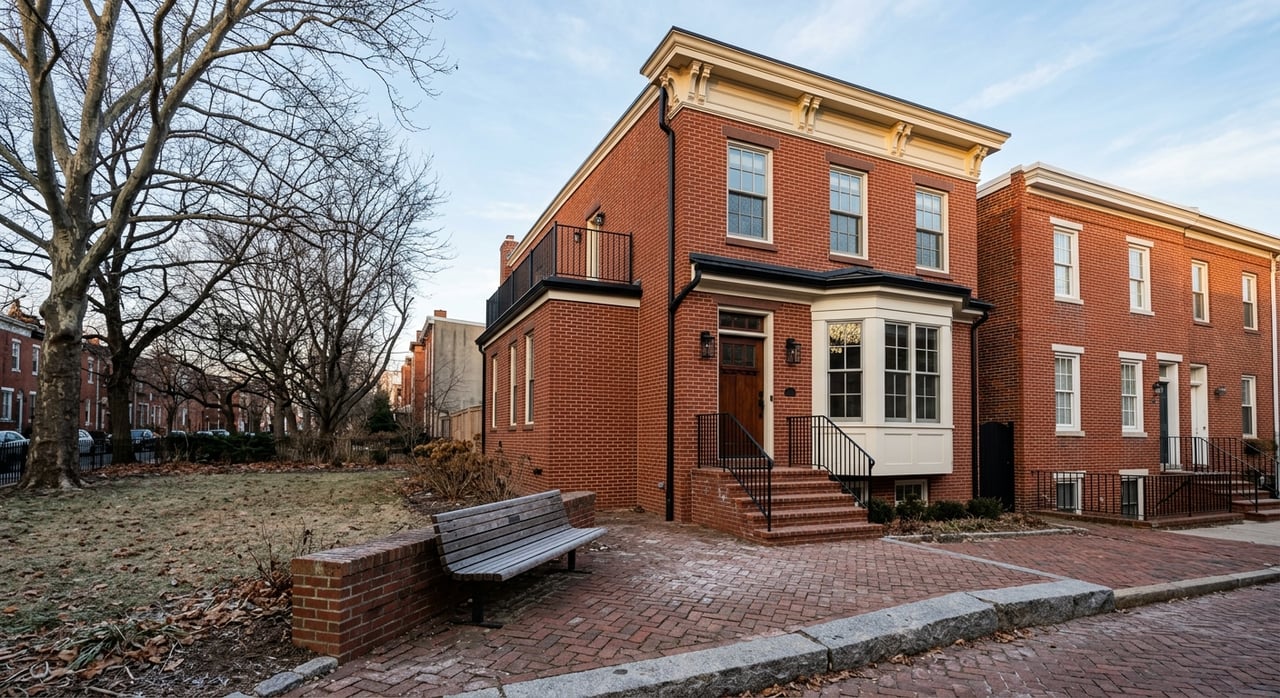
Spring is the prime window for Bella Vista listings because buyer activity is concentrated. Homes show their best with green trees, brighter light, and improved curb appeal for rowhouse stoops and small yards. If you want to maximize exposure and leverage, aim to list from mid March through early May.
The fall bump
If spring does not fit your timeline, early fall can still work well. September and October bring renewed buyer focus after summer travel. Weather is favorable for photos and showings, and you face less competition than the spring surge.
Winter strategy
Late fall and winter are typically slower. You may see fewer showings and longer days on market, and pricing often needs to be more flexible. The tradeoff is reduced competition. If you list then, invest in strong staging, warm lighting, and clear pricing to stand out.
Align timing with your goals
Your ideal timeline depends on your life events and move plans. Families often prefer a spring listing that allows a summer closing. Young professionals and move-up buyers are active year round but respond best to fresh spring inventory and weekend showings. Investors tend to be more price and yield driven, so they can transact in any season if the numbers work.
Mortgage rates and overall market conditions can amplify or soften these seasonal patterns. If rates drop, demand can spike across seasons. If rates rise, even spring can feel more moderate. Use the seasonal guidance as a starting point, then layer in current local metrics and your personal goals.
Your 3–6 month countdown to list
Follow this practical timeline so you hit the market ready and polished.
12–16 weeks before listing
- Request a comparative market analysis with your agent to review current comps, target pricing, and a recommended launch window.
- Choose your target listing timing. For most sellers, that is mid March to early May, with September to October as a strong secondary option.
- Consider a pre listing inspection to identify major issues early. This can reduce surprises and delays during negotiations.
- Start any major repairs or system work. Roof, structure, HVAC, and significant plumbing or electrical items can take weeks to schedule and complete.
6–8 weeks before listing
- Declutter and begin packing nonessential items to create open sightlines, which is key in narrow rowhomes.
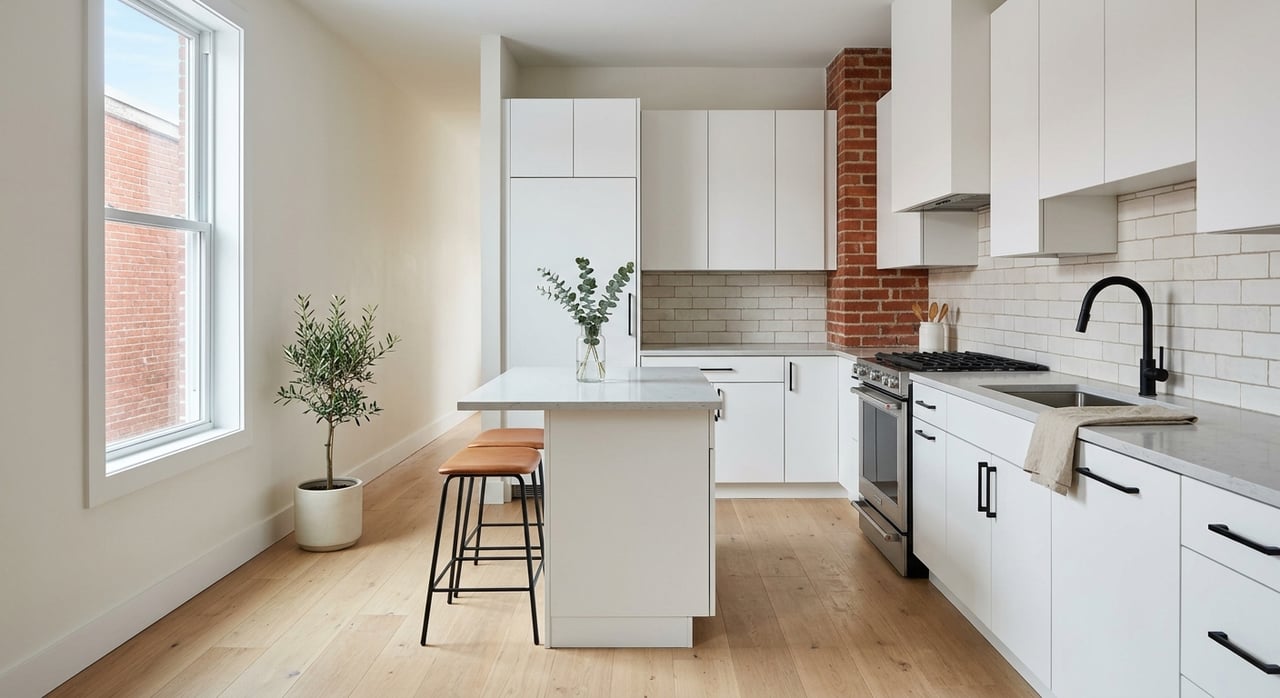
- Complete high return cosmetic updates. Fresh paint, modern lighting, new hardware, and small kitchen or bath tweaks can lift perceived value.
- Consult a professional stager to plan layout and scale furniture to your home’s dimensions.
- Line up deep cleaning and gather neighborhood highlights for your marketing packet, such as transit access, markets, and nearby amenities.
2–3 weeks before listing
- Schedule professional photography, along with twilight shots or a 3D tour if part of your strategy.
- Finalize staging, complete curb appeal touch ups, and finish any last repairs.
- Prepare disclosures, title details, and utility information. Confirm any Philadelphia specific forms with your agent or attorney.
3–7 days before listing
- Begin a soft launch. Your agent can alert local buyer agents and schedule previews.
- Confirm showing windows and access details, including lockbox logistics.
- Final check on photo order, listing copy, and syndication timing.
Listing day and first week
- Many Philadelphia agents prefer a midweek launch, often Wednesday or Thursday, to build momentum into weekend showings.
- Track feedback, online views, and showing volume daily. Early signals help you adjust quickly if needed.
- Consider an open house the first weekend to maximize exposure and create urgency, if that fits your comfort and building policies.
Photos, staging, and showings in rowhomes
Presentation matters even more in compact homes. A few details go a long way.
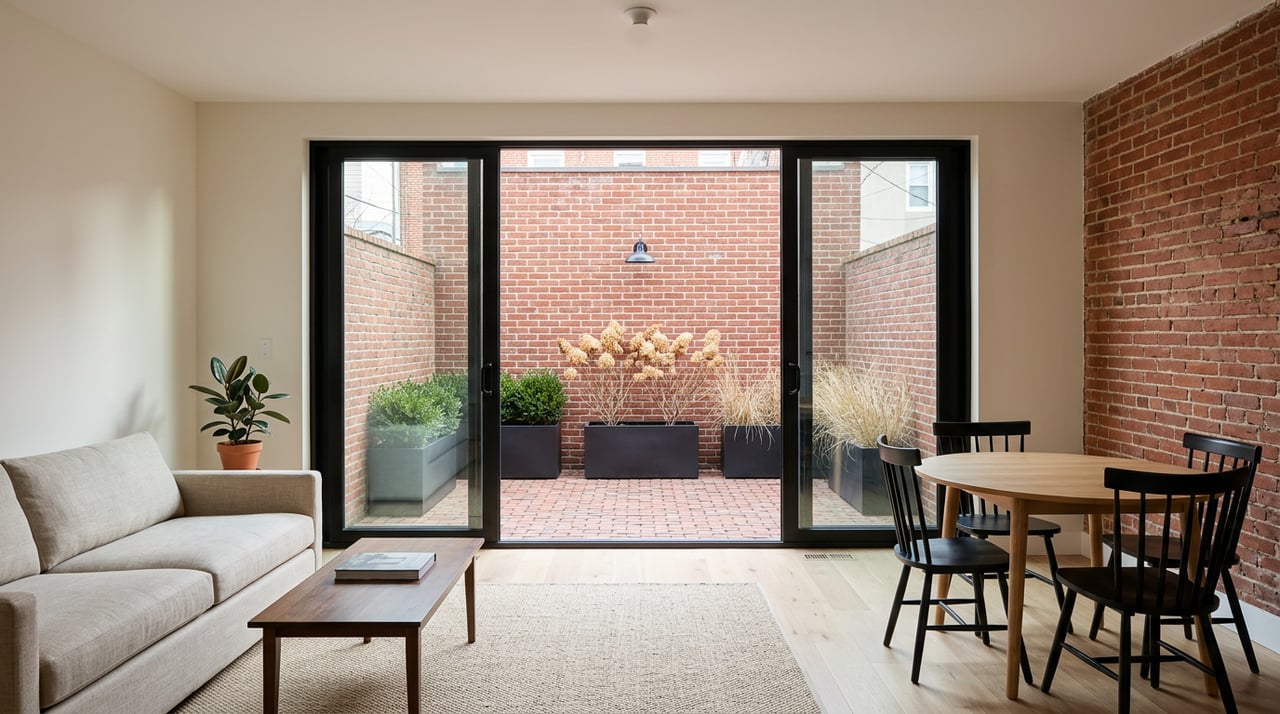
- Stage for flow. Use appropriately scaled furniture and clean sightlines to make rooms feel larger.
- Light it right. Maximize natural light and add warm bulbs to reduce shadows in long, narrow spaces.
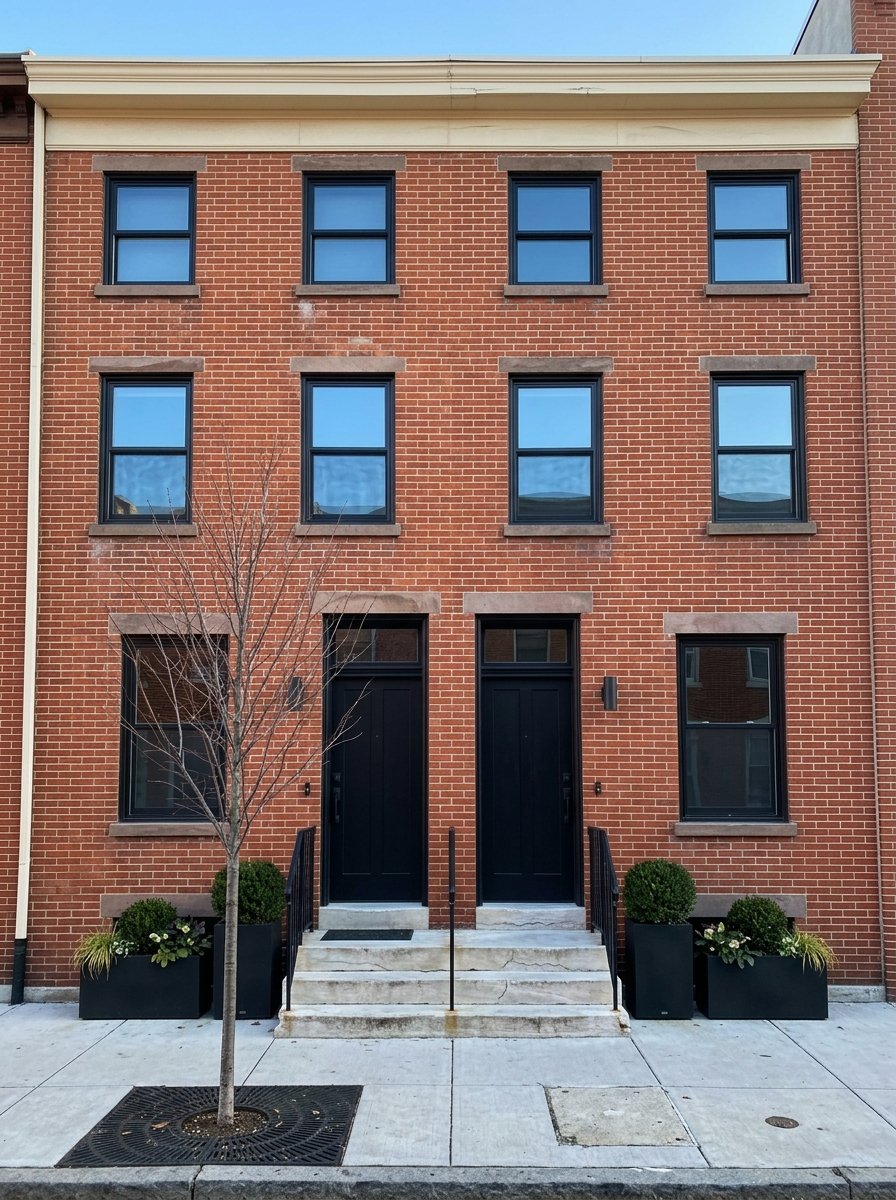
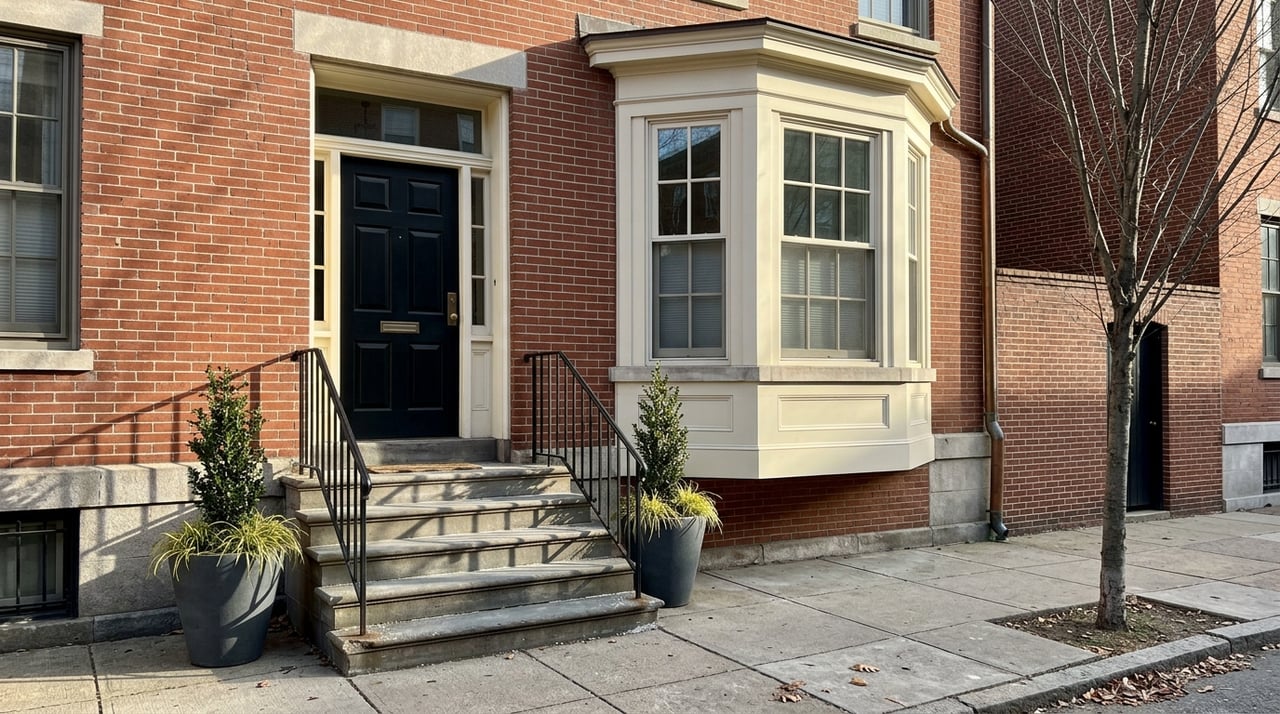
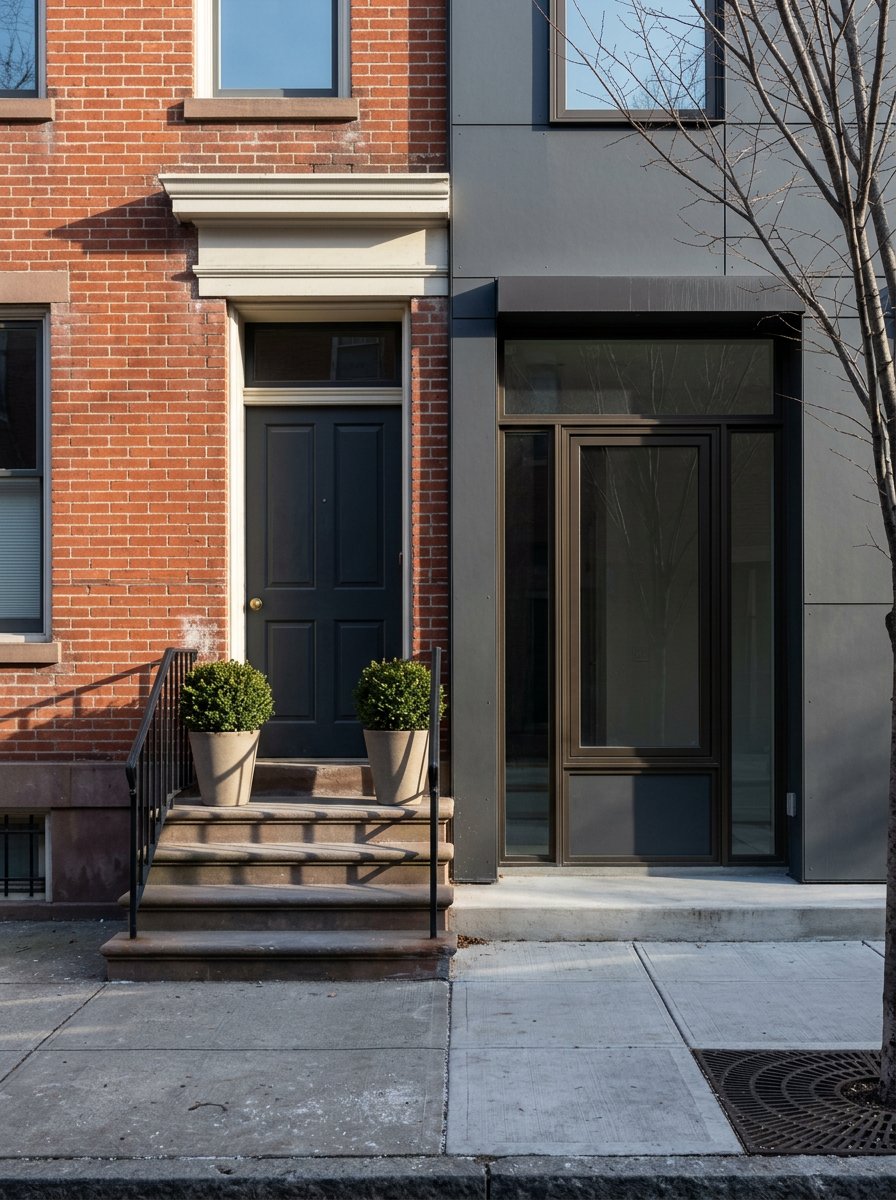
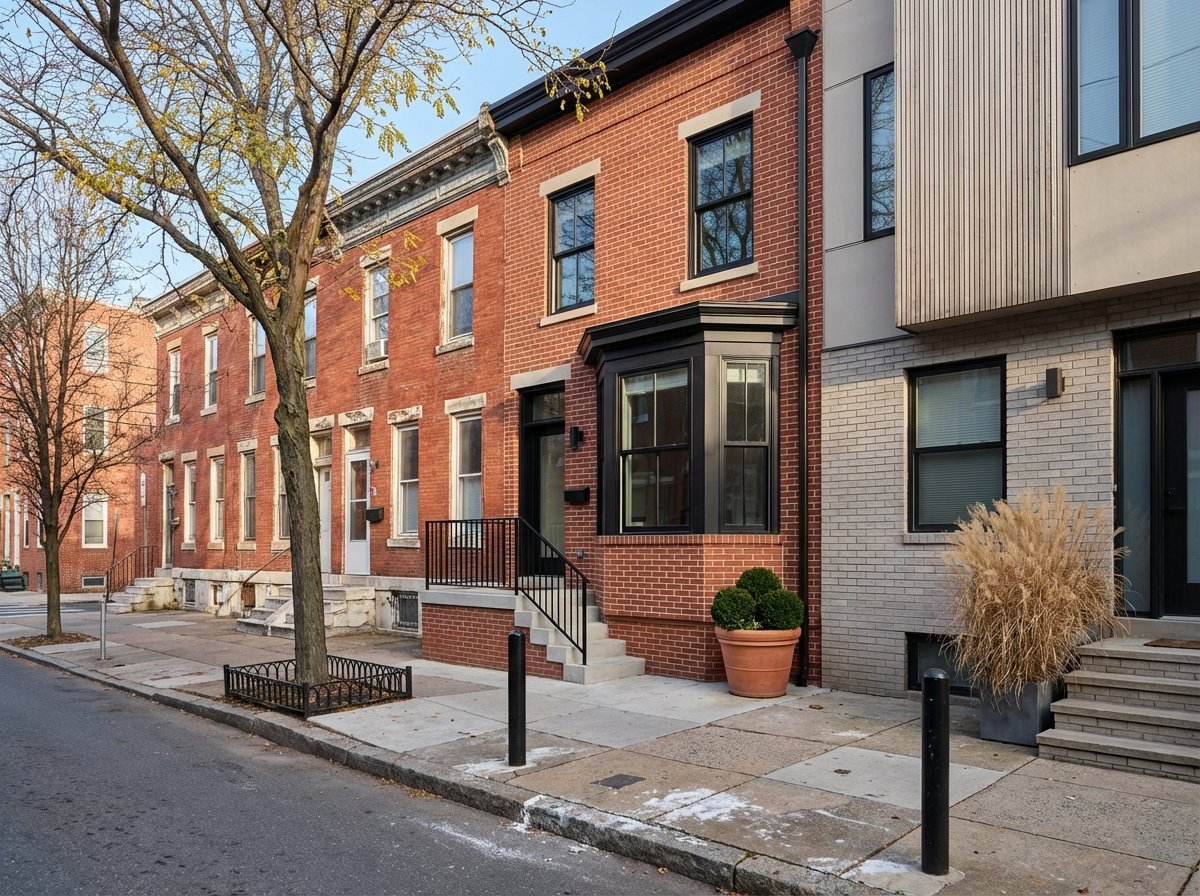
- Focus on first impressions. Tidy stoops, fresh planters, and clean facades set a positive tone before a buyer steps inside.
- Time your exterior photos. Spring and early fall usually provide brighter skies and greenery that help your listing pop.
Pricing, launch, and offer strategy
Set pricing based on current local inventory, days on market, and sale-to-list ratios. In a tight spring market with low supply, a slightly conservative list price can spark interest and invite competition. In slower months, a more precise, evidence based list price and strong marketing give buyers confidence to act.
For anticipated high demand, you can set a clear offer review timeline. If activity is moderate, be ready to evaluate offers as they come in. Your first week often sets the tone, so respond quickly and keep communication clear.
What to track before you list
Use recent monthly data to gauge the current backdrop. These metrics help you read the room.
- Active inventory. Tells you how many similar homes buyers can compare to yours.
- New listings per month. Signals incoming competition.
- Pending sales and contract volume. Shows demand and pace.
- Median sale price and days on market by month. Reveals seasonality and buyer speed.
- Sale-to-list-price ratio. Indicates negotiation leverage.
- Months of inventory. Highlights supply and demand balance.
How to read the signals:
- Rising inventory and longer days on market suggest buyer leverage, so price and presentation should be competitive.
- Low inventory, faster days on market, and stronger sale-to-list ratios point to a favorable window for sellers.
- Compare the current month to the same month in prior years to separate true shifts from normal seasonal patterns.
Local logistics to plan early
- Closing costs and taxes. Philadelphia closing costs and local taxes can affect your net. Get current estimates before you set pricing or plan your next purchase.
- Tenant occupied homes. Confirm lease expirations and notice requirements under Philadelphia and Pennsylvania laws so your timeline stays compliant.
- Event and showing coordination. Neighborhood festivals and busy weekends can help visibility but may complicate showing schedules.
- Weather planning. Winter storms can slow showings and hurt curb appeal. Schedule exterior maintenance and photos for favorable conditions when possible.
- Safety and access. Set clear showing protocols, and consider virtual tours to reduce unnecessary traffic.
So, when is the best time to sell?
For most Bella Vista sellers, spring is the top choice. Listings that launch from mid March through early May typically benefit from peak buyer traffic, stronger first-week momentum, and better exterior presentation. If spring is not possible, early fall can be a smart second window that balances buyer activity with lighter competition.
The right answer still depends on you. Your move plans, market conditions, and property readiness should guide the final call. Choose a target window, prepare with intention, and watch the data so you can launch with confidence.
If you are considering a sale in the next few months, let’s create a plan tailored to your goals, timeline, and home. Connect with Tom Englett to map out your listing window, prep plan, and pricing strategy.
FAQs
What month is best to sell a home in Bella Vista?
- Spring is usually best, especially mid March through early May, with a smaller but solid window in September and October.
How far in advance should I prepare my Bella Vista rowhome to sell?
- Start 12 to 16 weeks out with planning and repairs, then complete cosmetic updates, staging, and photography in the final 2 to 8 weeks.
Is it smart to list in winter in South Philadelphia?
- It can work with strong staging and pricing, but expect slower traffic and longer days on market; the benefit is fewer competing listings.
What day of the week should I list in Philadelphia?
- Many agents prefer a midweek launch, often Wednesday or Thursday, to build momentum for weekend showings.
Should I get a pre listing inspection before selling in Philly?
- A pre listing inspection can surface issues early, boost buyer confidence, and reduce delays, though it may require you to address certain items upfront.
How can I coordinate a sale around the school year?
- List in spring so you can accept an offer and close near summer, which helps families plan moves with fewer disruptions.