Point Breeze Neighborhood Changes Buyers Should Know
Thinking about a move in South Philly and hearing a lot about Point Breeze? You are not alone. Over the last decade, this neighborhood has seen steady price growth, waves of renovations and new townhomes, and visible upgrades to parks, transit, and public services. In this guide, you will learn what is changing, what still feels classic, and how to assess if Point Breeze fits your lifestyle or investment goals. Let’s dive in.
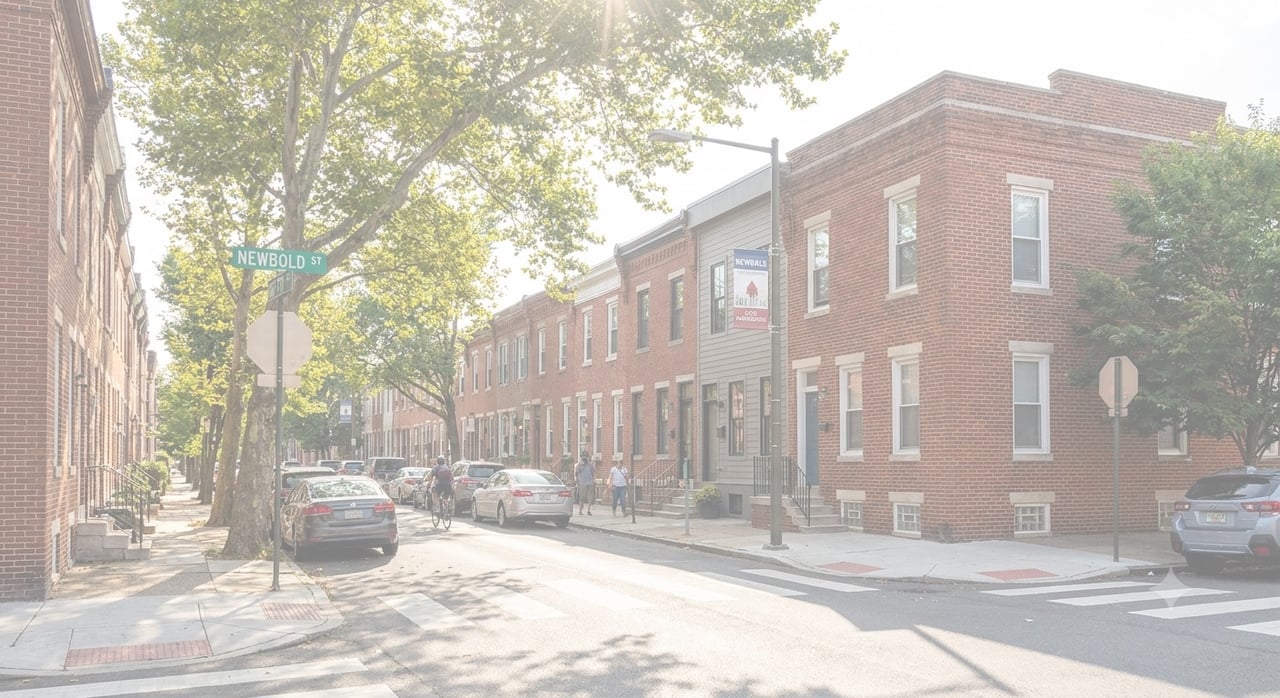
Point Breeze is commonly described as the rectangle between Washington Avenue to the north, Broad Street to the east, 25th Street to the west, and roughly Mifflin or Moore to the south. That working boundary is how many local reports frame the neighborhood’s core. You will also hear “Newbold,” a name used since the 2000s for a smaller sub‑area near Broad Street and West Passyunk. Some residents and groups use it, others do not, and the boundaries are debated. If you are comparing stats or amenities, be clear about which geography you mean because sources do not always match.
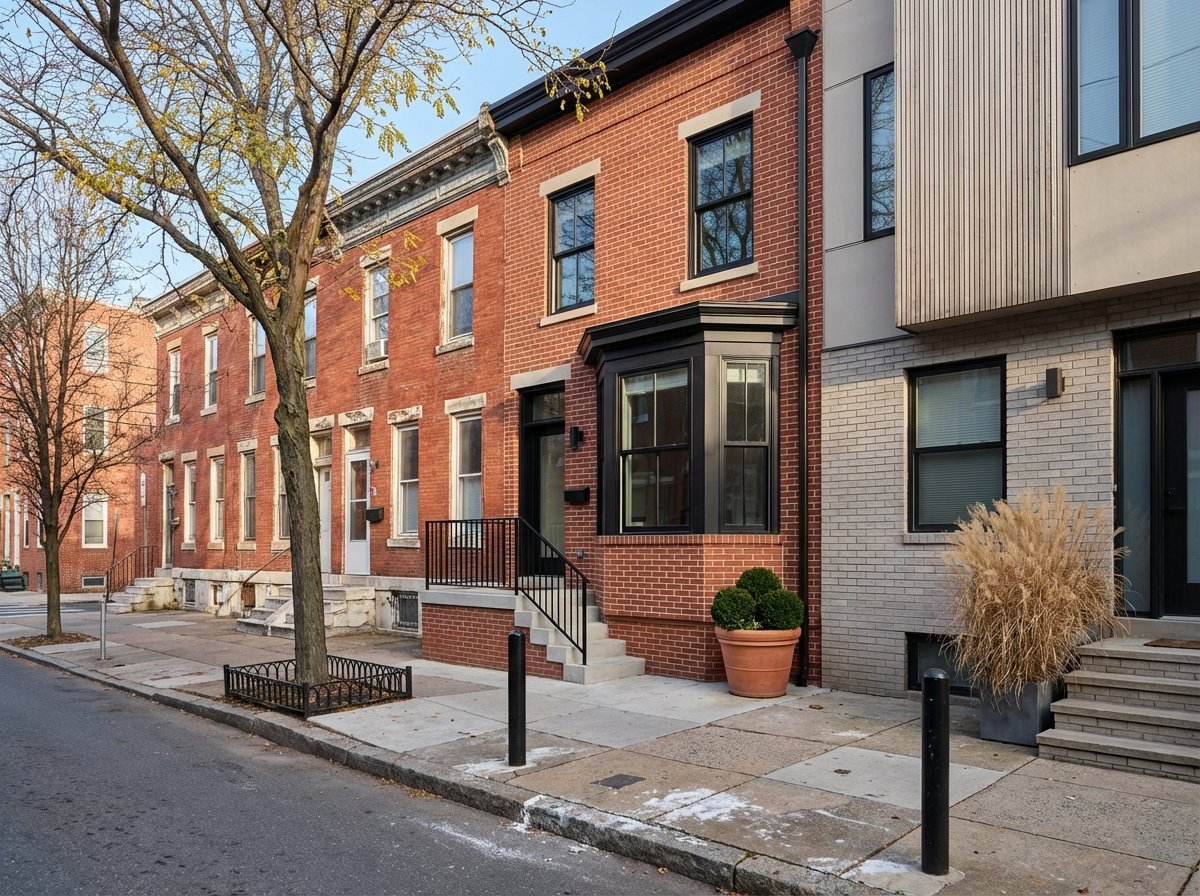
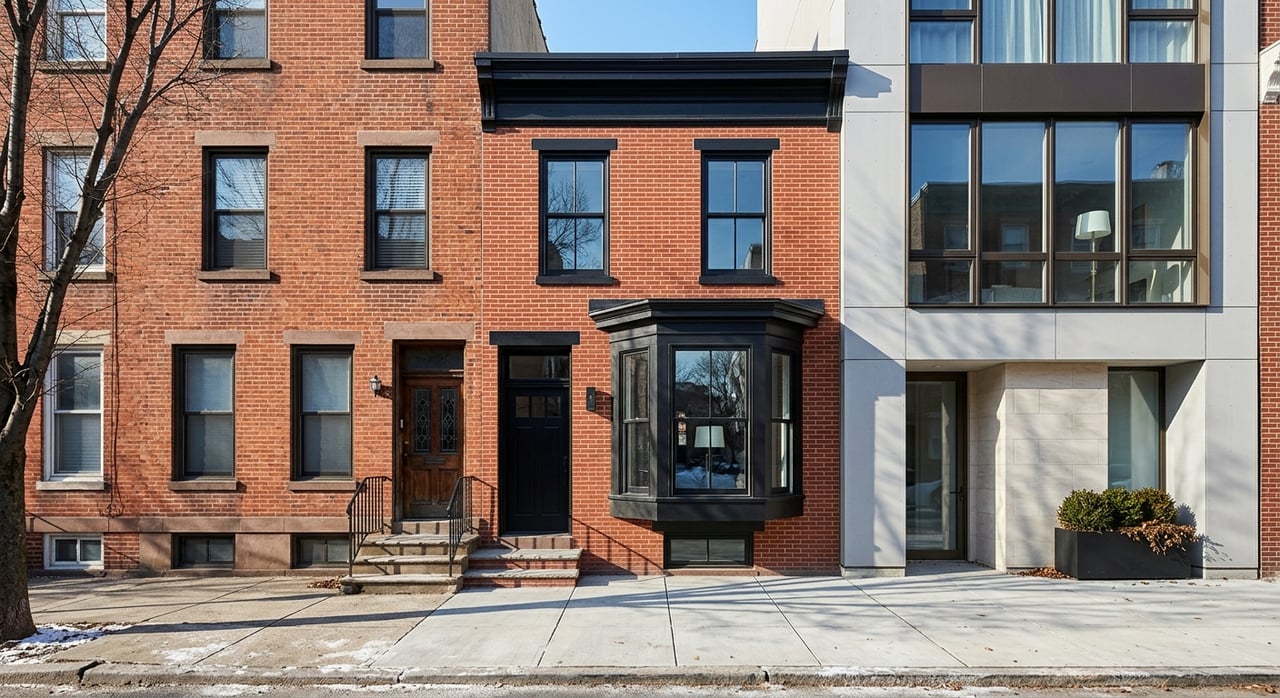
You will find two main housing types on most blocks. First, classic South Philly brick rowhouses, many with original facades and incremental updates. Second, modern infill townhomes and small multi‑unit buildings, typically taller and narrower with contemporary cladding. The result is a block‑by‑block mix, where one street feels mostly historic while the next has several new builds.
Market trackers show growth over recent years, with differences based on how each source draws the map.
Different aggregators define neighborhoods differently and use distinct methods. When you quote numbers, note the source and date, then compare with active listings and recent comps for a fuller view.
Since the early 2010s, small developers and local builders have been active in Point Breeze. You will see modern three‑story townhouses on formerly vacant lots, side‑by‑side with renovated century‑old rows. The change is visible in the scale of homes, exterior materials, and the number of dumpsters and work permits you may spot on certain blocks.
Construction pressure brought growing pains. City reporting has noted unpermitted or unsafe work in hot spots and called for stronger enforcement. As a buyer or investor, you should verify permit history, confirm final inspections, and hire a thorough inspector when you consider recently built or heavily renovated homes. Local coverage of safety concerns explains why permit checks matter and how they protect you as a consumer. For background, see WHYY’s reporting on illegal construction and building safety.
One of the most significant public investments in the area opened in 2016: the South Philadelphia Community Health and Literacy Center. The project combines a Children’s Hospital of Philadelphia pediatric clinic, a City health center, a Free Library branch, and a renovated recreation center and playground at DiSilvestro. It has expanded access to care, learning, and recreation for families in southern Point Breeze and nearby blocks. Learn more from the project announcement for the community health and literacy center.
Point Breeze features multiple small parks and rec spaces that anchor daily life. Residents point to Chew Playground, Wharton Square, Smith Playground, and the upgraded DiSilvestro complex for youth sports, open space, and community programming. These facilities, along with periodic public‑space improvements, are part of why many buyers describe the area as evolving. For long‑view context, see neighborhood coverage in The Inquirer.
Transit is a practical strength. You sit near or within reach of Broad Street Line stations at Snyder, Tasker‑Morris, and Ellsworth‑Federal, which connect you north to Center City and beyond. SEPTA has been investing in accessibility upgrades, including the Tasker‑Morris ADA project completed in 2025, which enhances station access and reliability for everyday commuters. Review SEPTA’s update on Tasker‑Morris ADA improvements.
Small hospitality has helped seed activity along West Passyunk, Broad Street, and the Newbold‑branded nodes near Broad and West Passyunk. Cafés, bars, and neighborhood restaurants bring more options for coffee runs, casual dinners, and meetups. These businesses often arrive early in a cycle of reinvestment, shaping how many people experience the area’s shift from quiet to lively. For a look at hospitality’s role in nearby corridors, see this local interview with a prominent neighborhood developer on using restaurants to spark activity.
Civic associations are active here, and names matter. A notable example: the former Newbold Neighbors Association rebranded to East Point Breeze Neighbors to be more inclusive and reduce labeling friction. The naming conversation shows why clarity about geography helps when you discuss listings, projects, and quality‑of‑life topics. Read local coverage of the name change and community context.
In recent years, City Council remapping conversations included proposals that affect what can be built on specific blocks. Some bills have aimed to limit three‑story infill on low‑rise streets while steering greater density to commercial corridors. If you plan to build, convert, or buy a property with project potential, check both the zoning map and any pending legislation that could change what is allowed by right.
Data and reporting show that parts of Point Breeze have grown more affluent and, in places, shifted demographically over the last decade. This pattern often tracks with rising prices and concentrated new construction, though the experience can vary widely by block. For a citywide lens that frequently cites Point Breeze, see The Inquirer’s analysis of neighborhood change and affordability.
Use this quick list to evaluate homes and blocks with confidence:
If you want classic South Philly rowhome living with growing access to cafés, parks, and transit, Point Breeze deserves your shortlist. If you are an investor or planning a renovation, the neighborhood’s mix of new builds and older stock can offer opportunity when paired with careful due diligence. Either way, clarity on block variation is key. Spend time on the ground, learn the zoning and civic landscape, and let a local advisor guide your search and negotiations.
When you are ready to explore Point Breeze homes, market timing, and on‑the‑ground comps, connect with Tom Englett for a calm, concierge consultation tailored to your goals.

Home Owner Blueprint
New 2027 assessments just hit mailboxes across Philadelphia, and most homeowners are seeing higher numbers. Here's what changed, why City Council is asking questions, … Read more
Real Estate
A fully leased Cedar Park triplex with a 7% cap rate, built for investors and 1031 exchange buyers ready to close fast.
Newbold Neighborhood Events
From cozy BYOBs to craft beer havens, Newbold's dining scene is having a moment, and Restaurant Week is the perfect excuse to explore it.
Tom builds lasting relationships — not just real estate deals. Experience a client-first approach designed around your goals, timeline, and peace of mind. Schedule a call and see how Tom can help you move forward.

Tom Englett | Compass RE
1430 Walnut Street, 3rd Floor Philadelphia, PA 19102