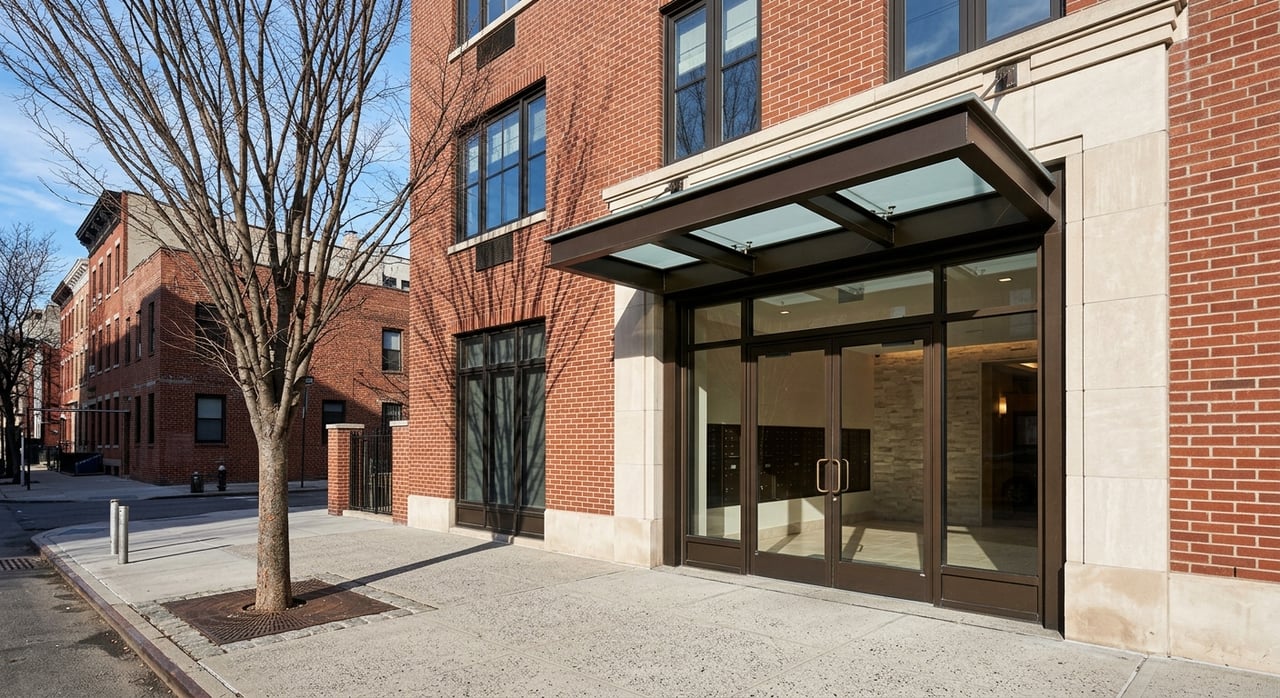
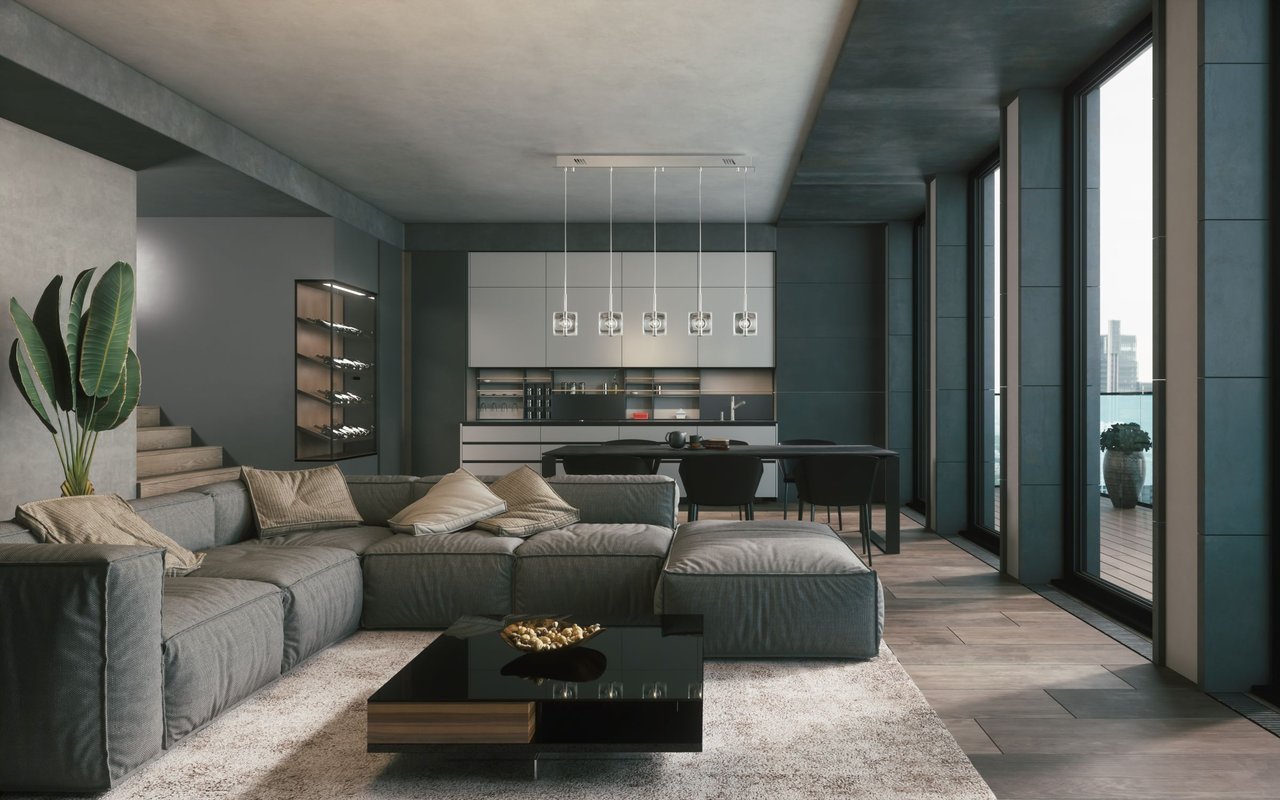
Picture yourself living a few blocks from the Art Museum and Schuylkill Trail while your neighbors help pay the mortgage. That is the core idea of house hacking, and Fairmount is a smart place to make it work. If you value walkability, bike access, and a quick commute to Center City or University City, you are already in the right neighborhood. In this guide, you will learn the house hack models that fit Fairmount’s housing stock, the legal and lending steps to get right, and a simple way to run conservative numbers. Let’s dive in.
What house hacking means
House hacking is when you live in a property while renting out other space to offset your monthly costs. In Fairmount, four practical models show up again and again.
Live-in duplex or triplex
- How it works: Buy a 2 to 4 unit property, live in one unit, rent the others.
- Why it helps: Lenders often treat a portion of those rents as qualifying income during underwriting. Separate entrances and layouts make management simpler.
- What to plan for: A higher purchase price than a single home, routine maintenance across multiple systems, and ensuring each unit meets egress and fire safety standards.
Accessory units inside a rowhome
- How it works: Create a separate, self-contained unit within the same building, such as a basement apartment or a rear-house unit, while you live in the other portion.
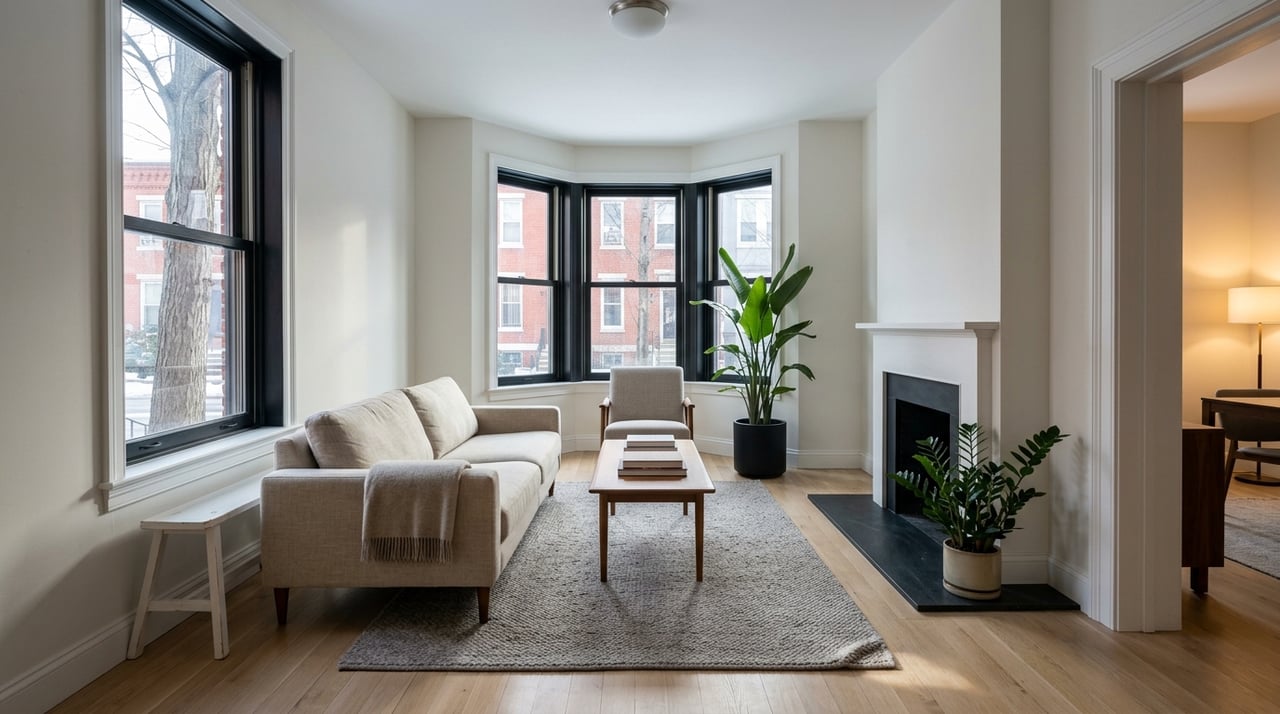
- Why it helps: Often a lower buy-in than a purpose-built multi-unit, and it fits Fairmount’s smaller lots and older rowhomes.
- What to plan for: Strict code requirements for ceiling heights, egress, ventilation, and fire separation. Some conversions are not legal if not permitted, so expect permits and inspections.
Rent-by-the-room strategy
- How it works: Live in the home and lease individual bedrooms with shared common areas.
- Why it helps: Minimal renovation and often strong rent per square foot.
- What to plan for: Tenant compatibility, higher turnover, and the need for clear leases and house rules.
Short-term rental strategy
- How it works: Offer a bedroom or unit on a short-term basis.
- Why it helps: Potentially higher nightly rates near cultural destinations and trails.
- What to plan for: More hands-on management, variable income, and compliance with Philadelphia’s short-term regulations, registrations, and taxes.
Why Fairmount works for house hacking
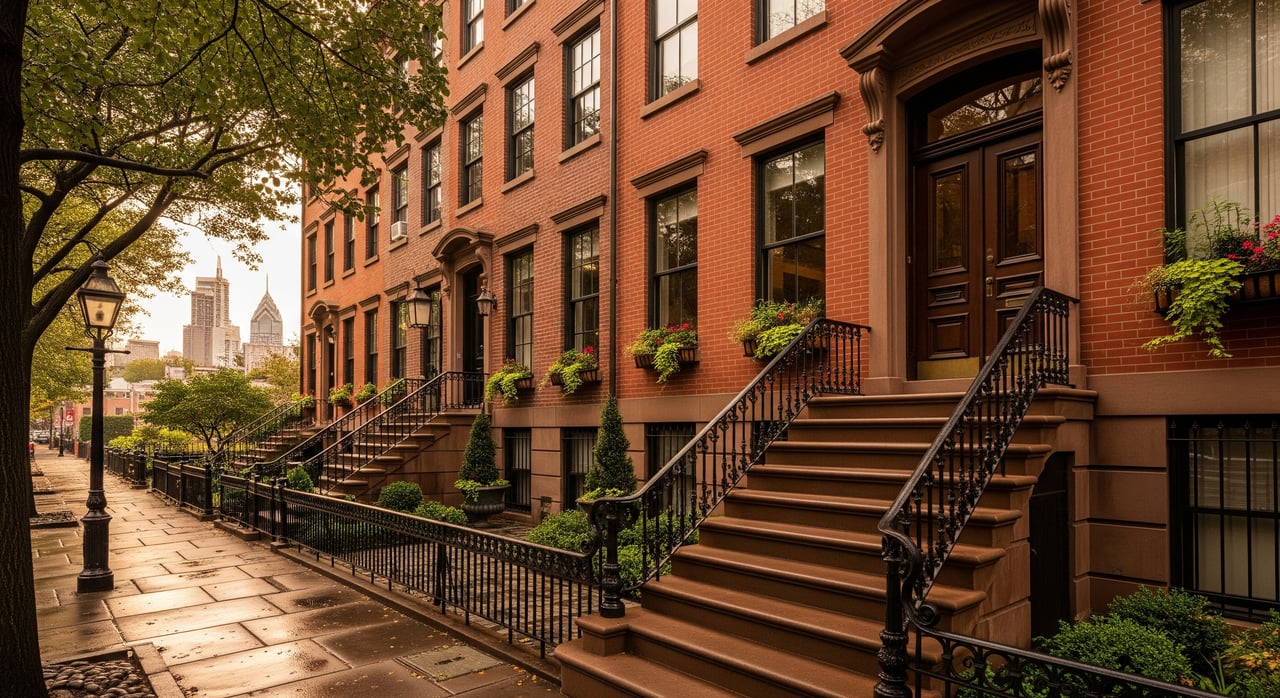
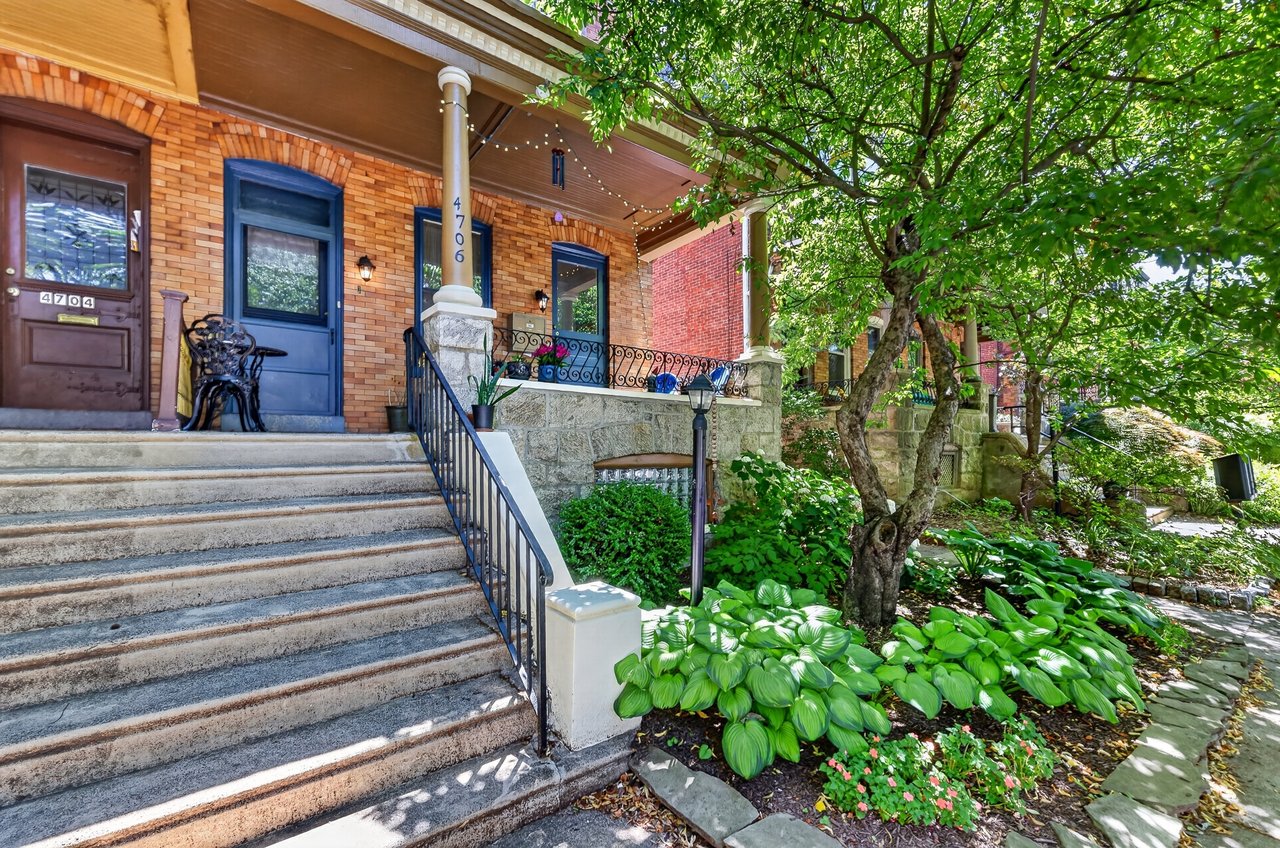
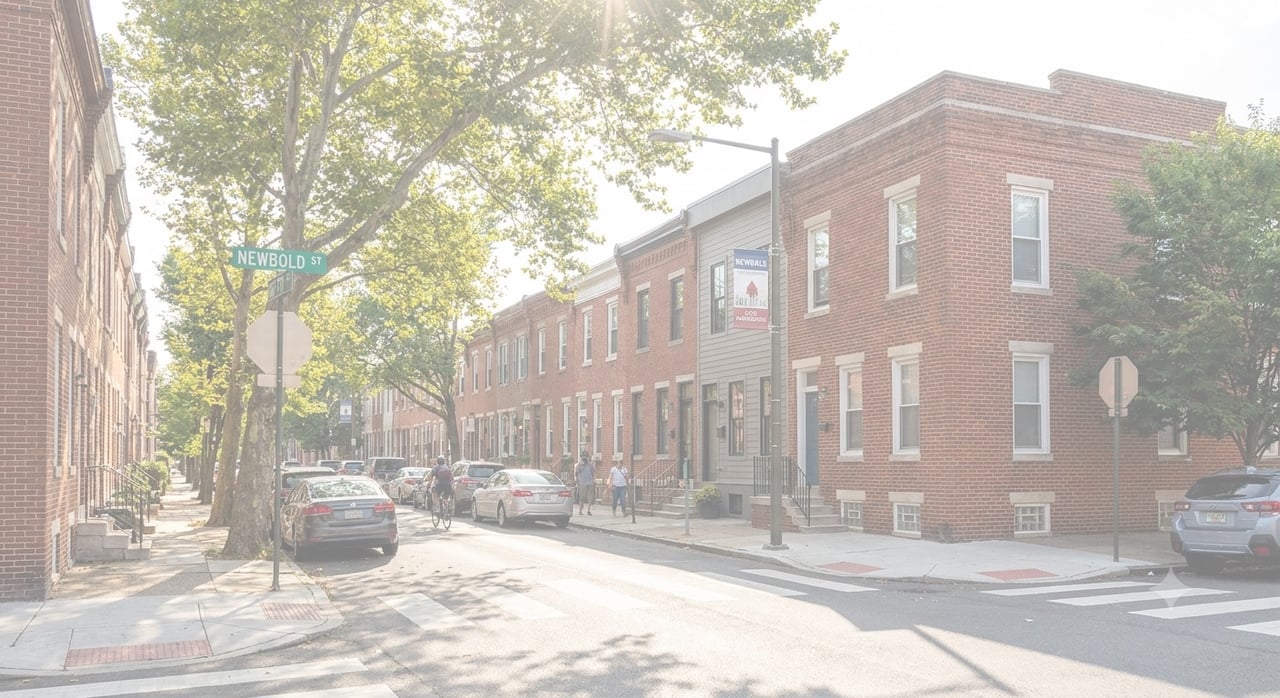
Fairmount sits near the Art Museum, Ben Franklin Parkway, and the Schuylkill River Trail, with convenient access to Center City. It draws renters who value walkability, culture, and green space. You will find many 19th-century masonry rowhomes and small multi-unit buildings, which creates opportunities for duplexes, triplexes, and accessory units.
- Typical finds: Two-unit rowhomes with a garden-level apartment and an upper unit, conversions with basement plus parlor or upper units, and smaller multi-family buildings on or near arterial streets.
- Demand drivers: Proximity to job centers, cultural amenities, and bike-friendly routes. Peak leasing often follows spring and summer cycles.
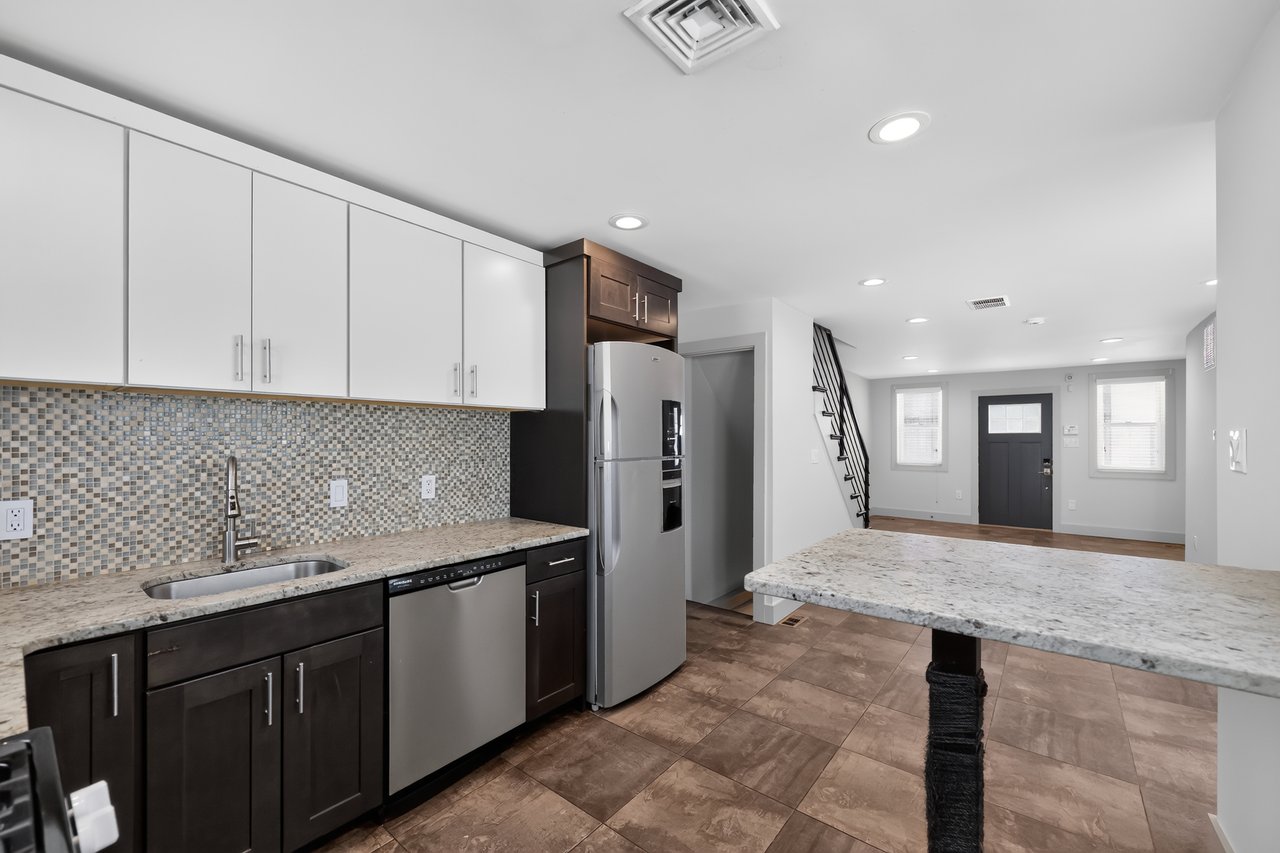
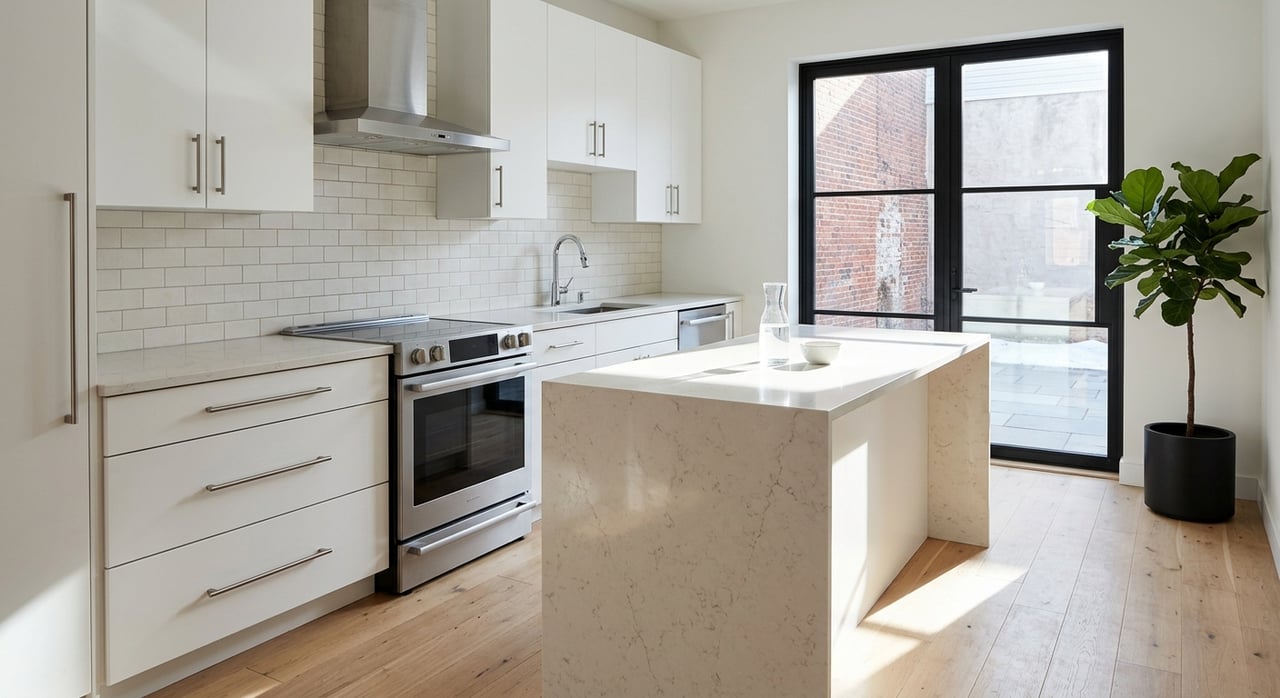
- Condition notes: Older systems are common. Budget for electrical and plumbing updates, egress improvements, and soundproofing.
What is legal in Philadelphia
Before you advertise a unit or count projected rent in your math, confirm the legal path for that specific address.
Zoning and use
- Confirm if the parcel allows multi-family use, accessory dwelling units, or rear houses under the Philadelphia Zoning Code.
- Some properties appear multi-unit but are legally single-family. Changing use may require a zoning approval.
Building permits and code
- Creating a separate dwelling unit typically requires building permits, and compliance with egress, ceiling heights, ventilation, and fire separation.
- Expect smoke and CO detectors, proper exits, and potential electrical and plumbing upgrades.
Rental licensing and inspections
- Philadelphia requires landlord registration and periodic inspections for rental units. Verify current requirements with the Department of Licenses and Inspections.
Occupancy standards
- The city enforces minimum room sizes, maximum occupancy per bedroom, and egress standards to prevent overcrowding.
Short-term rentals
- Hosts must register, meet safety minimums, and collect and remit applicable local lodging taxes. Confirm current rules before listing.
Historic districts
- Parts of Fairmount are historic districts. Exterior changes may require review by the Historical Commission.
A quick due diligence workflow
- Run the address through the city’s zoning and L&I records to confirm current use and any violations.
- Ask the seller for prior permits and layouts. Be cautious with unpermitted conversions.
- If planning a basement or accessory unit, get a pre-purchase feasibility review from an architect or contractor and confirm requirements with L&I.
- Budget time and cost for permits and inspections to avoid delays and insurance or mortgage issues.
Financing your house hack
Owner-occupant loan programs can make a 2 to 4 unit purchase more accessible, especially if you can use rental income during qualification.
FHA loans
- Owner-occupant financing for 1 to 4 units, commonly with low down payment options for eligible buyers.
- Mortgage insurance applies, and occupancy is typically required within a set time after closing.
- Lenders often consider documented or appraiser-supported rents from additional units when qualifying.
Conventional loans
- Conventional programs can finance 2 to 4 unit owner-occupied properties. Down payment and reserve requirements vary by lender and program.
- Some low down payment programs exist for eligible borrowers. Confirm whether they apply to multi-unit purchases.
Using rental income in underwriting
- Many lenders allow a portion of market rent from other units to qualify. A common practice is to count 75 percent of market rent per unit, supported by leases or the appraiser’s rent schedule.
- If units will be vacant at purchase, projected rents may still count if supported by the appraisal.
Documentation, reserves, and insurance
- Expect an owner-occupancy certification, leases or estoppels for existing tenants, and possible reserves equal to several months of PITI, especially on multi-units.
- Check insurance needs for an owner-occupied building with rental units, and consider umbrella coverage.
- Verify whether the property lies in a flood zone near the Schuylkill. Flood insurance may be required.
Lender checklist
- Speak with mortgage pros who routinely finance 2 to 4 unit owner-occupied properties in Philadelphia.
- Confirm program fit, down payment, and reserve expectations.
- Gather rent comps and existing leases early, and confirm appraisal expectations for a rent schedule.
Run conservative numbers first
Use a simple, conservative framework before you write an offer.
Step-by-step underwriting template
- Determine achievable market rents for each unit or bedroom using current comps. Use the lower end of today’s advertised range for safety.
- Gross scheduled rent: add up all unit or bedroom rents.
- Vacancy adjustment: multiply by 90 to 95 percent to reflect 5 to 10 percent vacancy.
- Effective gross income: add other predictable income like laundry or parking.
- Operating expenses: estimate 40 to 50 percent of effective gross income for older properties, especially if you will pay some utilities.
- Net operating income: effective gross income minus operating expenses.
- Annual debt service: your monthly principal and interest plus taxes and insurance, multiplied by 12.
- Cash flow: NOI minus annual debt service.
- Sensitivity test: drop rents by 10 percent or raise vacancy to 15 percent to see the downside.
Practical rules of thumb
- Vacancy: plan 10 percent unless you have strong, current comps and a clear leasing plan.
- Expenses: use the higher end of the range for older rowhomes or if you cover utilities.
- Capital reserves: set aside 500 to 2,000 dollars per unit per year depending on age and condition.
- Management: expect 8 to 10 percent of gross rent for long-term rentals, and more for short-term turnover.
Finding Fairmount rent comps
Accurate rents are the backbone of your plan, and they change quickly.
- Where to look: MLS via a local agent for signed rents and multi-unit comps, plus public listing sites for active offerings. Local property managers and small landlords can validate by-the-room rents.
- What to compare: unit type and location within the building, bedroom and bathroom count, private entrances, laundry, recent renovations, outdoor space, and proximity to the Art Museum and trail.
- Furnishing impact: furnished rooms or units can command premiums, especially in rent-by-the-room setups.
- Turnover timing: in Fairmount, spring and summer often see the strongest leasing momentum.
Operations: set yourself up to win
You are becoming both a neighbor and a landlord. Create clarity on day one.
- Screening and leases: use written leases, background checks, and clear house rules for shared spaces.
- Deposits and notices: follow Philadelphia and Pennsylvania rules on security deposits and notices.
- Insurance and lender notifications: make sure your insurer and lender know you are renting units or rooms.
- Taxes: rental income is taxable. Many expenses are deductible. Speak with a tax professional.
Timeline: from idea to first tenant
- Weeks 1 to 2: Get pre-approved with a lender who understands owner-occupied multi-units. Outline your target property type and budget.
- Weeks 2 to 6: Tour properties, verify legal use through zoning and L&I records, and request prior permits from sellers.
- Weeks 6 to 10: If planning a conversion, secure feasibility input from an architect or contractor. Budget time for permits and inspections.
- Weeks 8 to 12: Under contract, complete appraisal with rent schedule and finalize insurance.
- Post-closing: Complete any permitted work, set up advertising, screen tenants, and place leases.
Fairmount rowhome pitfalls to avoid
- Basement units without proper egress or ceiling height can derail permits and insurance.
- Older electrical like knob-and-tube may require updates to meet code.
- Soundproofing and fire separation between units are often overlooked and can be required.
- Narrow stairways and shared entries affect livability and lease terms. Plan layouts carefully.
A simple action plan
- Clarify your model: duplex, accessory unit, rooms, or short-term.
- Verify legality: zoning, permits, and licensing for the specific address.
- Lock in financing: confirm how much rental income your lender will count, and what reserves you need.
- Run the numbers: use conservative rents, a real vacancy factor, and robust expenses.
- Prepare to operate: leases, screening, insurance, and a realistic timeline.
Ready to map this to actual properties and current rents in Fairmount? Schedule a consult and we will run address-specific numbers with current comps and your loan scenario.
If you want a calm, consultative partner to guide each step, reach out to Tom Englett. We can help you find the right property, verify the legal path, and build a realistic plan that supports your lifestyle and long-term goals.
FAQs
Is house hacking legal in Fairmount, Philadelphia?
- It can be, but it depends on zoning, proper permits, and meeting code. Always verify current use, permits, and licensing with Philadelphia L&I before counting on rental income.
Can I use an FHA loan to buy a duplex and live in one unit?
- Yes, FHA permits owner-occupant financing for 2 to 4 unit properties for eligible buyers, with mortgage insurance and occupancy requirements.
Will lenders let me count rental income from other units?
- Many lenders will count a portion of market rent, commonly 75 percent, supported by leases or an appraiser’s rent schedule. Confirm the exact approach with your lender.
Can I legally rent a basement apartment in a Fairmount rowhome?
- Possibly, if it meets building code for egress, ceiling height, ventilation, and safety, and if it is properly permitted. Unpermitted units create risk with insurance and lenders.
How should I estimate rents for Fairmount units or bedrooms?
- Use current MLS comps and active listings, validate with local managers, and underwrite at the lower end for safety. Avoid relying on outdated ranges.
What should I budget for vacancy and operating costs?
- A conservative plan uses 10 percent vacancy, 40 to 50 percent of effective gross income for operating expenses in older properties, and additional capital reserves per unit each year.